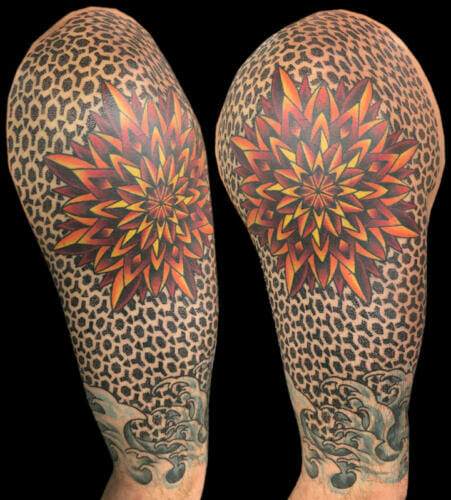
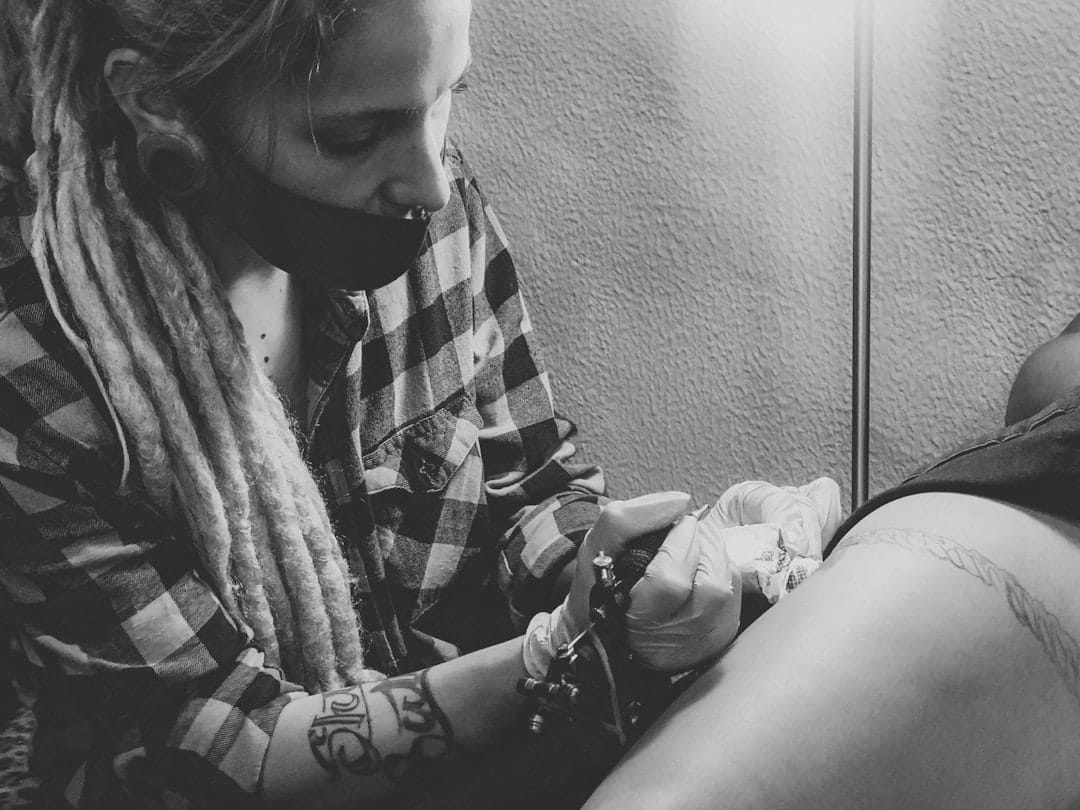
Tattoo aftercare is a critical component of the tattooing process, influencing not only the aesthetic outcome of the artwork but also the long-term health of the tattooed skin. Proper aftercare ensures that your new tattoo heals correctly, minimizing the risk of complications such as infection, color loss, and scarring. While the tattoo application itself is performed by a professional, the responsibility for diligent aftercare falls predominantly on the individual. Neglecting aftercare can compromise even the most expertly applied tattoo, leading to dissatisfaction and potentially requiring costly touch-ups or correctional work. This article outlines essential tattoo aftercare tips, drawing upon standard industry practices and best recommendations to guide you through the healing journey.
The first few hours and days following your tattoo appointment are crucial. The skin has undergone a significant trauma, and it is highly susceptible to external contaminants. Adhering to the initial instructions provided by your artist is paramount for a clean and effective start to the healing process.
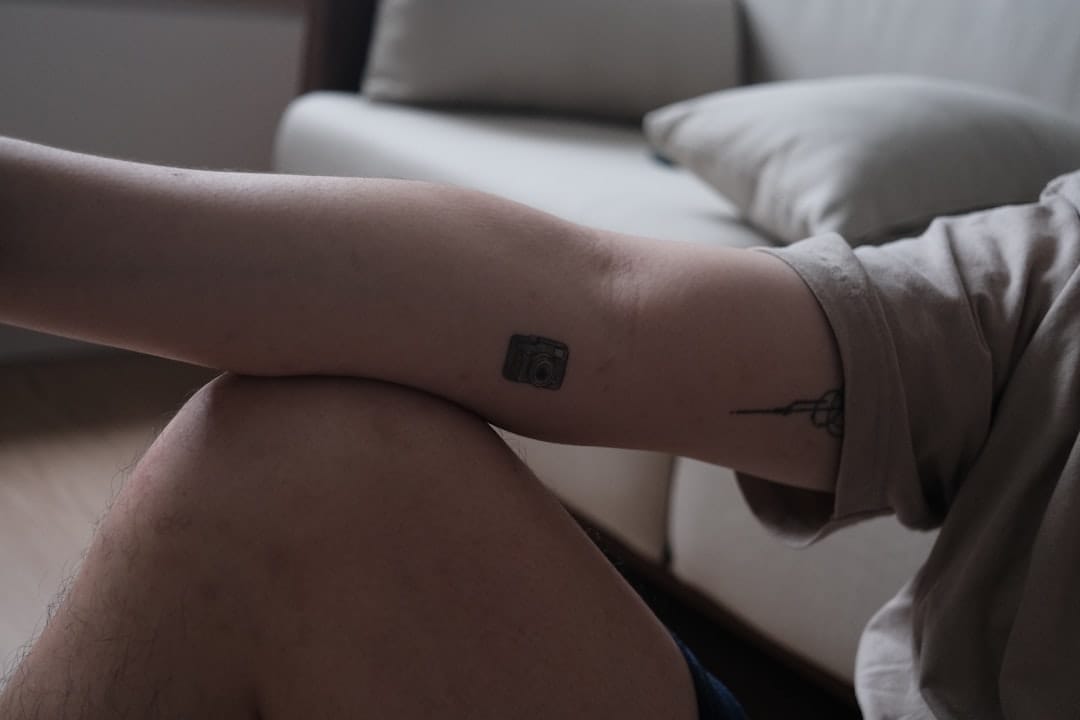
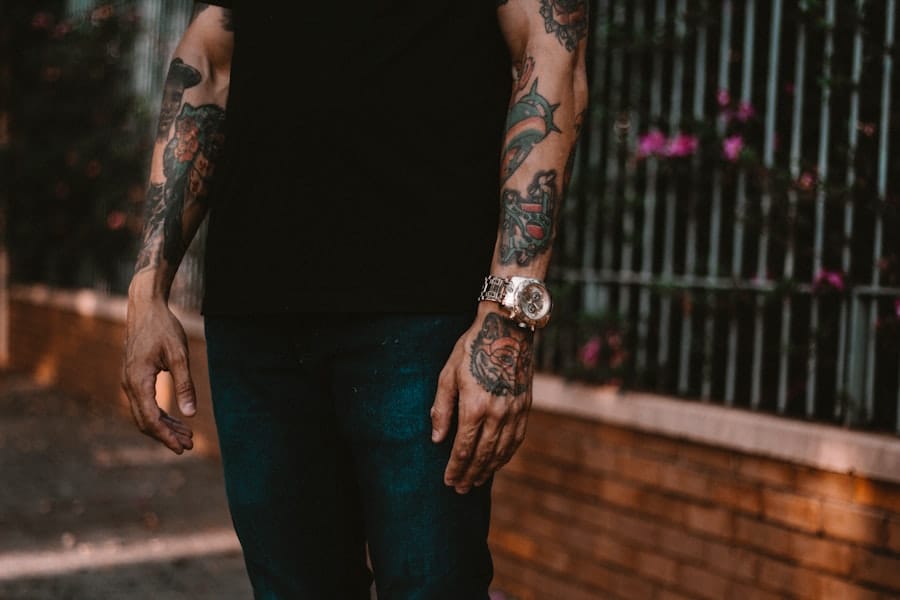
Understanding the Initial Bandage
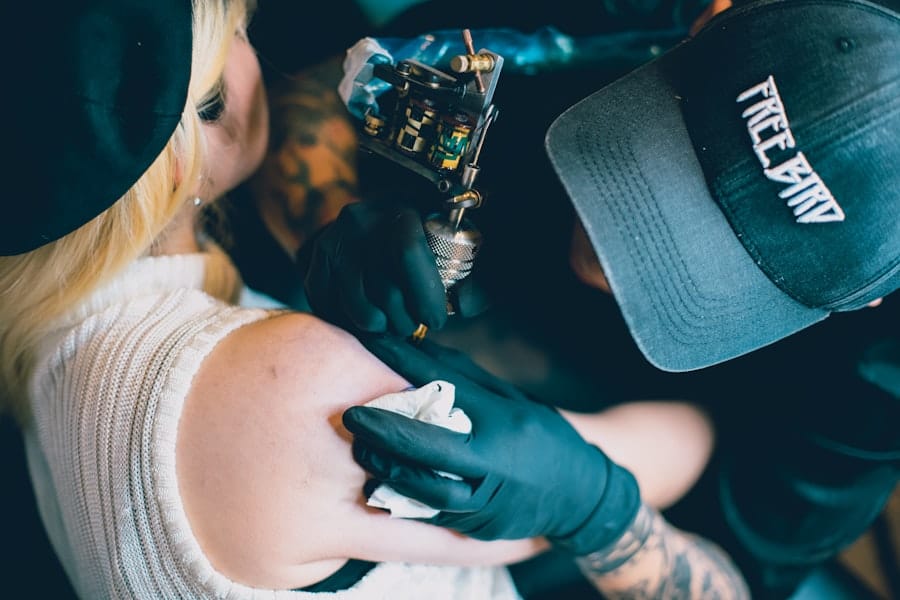
Your tattoo artist will apply a protective bandage immediately after completion. This bandage serves several vital purposes:
- Protection against Bacteria: It creates a barrier, shielding the open wound from environmental bacteria and airborne pathogens.
- Absorption of Exudate: It absorbs excess ink, blood, and plasma that the skin naturally expels as part of the initial healing response.
- Prevention of Friction: It prevents clothing or other surfaces from rubbing against the fresh tattoo, which could introduce bacteria or irritate the sensitive skin.
There are generally two types of bandages used: traditional cling film (Saran wrap) or specialized medical-grade adhesive films (e.g., Saniderm, Tegaderm). Each requires different removal timelines and subsequent care protocols.
Removal of the Bandage
The timing for bandage removal is critical and varies based on the type of bandage used:
- Cling Film: Typically, cling film should be removed within 2-4 hours. This type of bandage does not allow the skin to breathe effectively and can trap moisture and heat, creating an ideal breeding ground for bacteria if left on for too long.
- Adhesive Films: Medical-grade adhesive films can often be left on for 24 hours up to several days (as advised by your artist), depending on the product and the tattoo’s characteristics. These films are designed to be breathable, waterproof, and to create a moist healing environment, which can sometimes expedite healing and reduce scabbing.
Always wash your hands thoroughly with antibacterial soap before touching the bandage or the tattooed area. Gently peel off the bandage in a clean environment, preferably under running lukewarm water to minimize discomfort and prevent the film from sticking to the skin.
Initial Cleaning Protocol
Once the bandage is removed, the first wash is essential to cleanse the tattoo of any remaining plasma, blood, or ointment.
- Gentle Hand Washing: Use only your clean fingertips to wash the tattoo. Avoid abrasive materials such as washcloths or sponges, which can irritate the skin and potentially harbor bacteria.
- Mild, Unscented Soap: Select a fragrance-free, antibacterial soap. Harsh chemicals, dyes, and strong fragrances found in many conventional soaps can irritate the sensitive healing skin, causing dryness or allergic reactions. Examples include Dial Gold antibacterial soap, or specialized tattoo aftercare washes.
- Lukewarm Water: Use lukewarm water, not hot or cold. Hot water can open pores excessively and potentially leach ink, while cold water can be uncomfortable and constrict blood vessels.
- Rinse Thoroughly: Ensure all soap residue is completely rinsed off. Leftover soap can dry out the skin and contribute to irritation.
- Pat Dry: After washing, gently pat the tattoo dry with a clean, soft paper towel or a freshly washed, lint-free cloth. Do not rub the tattoo, as this can damage the healing skin. Air drying is also an option if you are in a clean, dust-free environment.
The Regular Cleaning and Moisturizing Regimen
Maintaining a consistent cleaning and moisturizing regimen is fundamental to the long-term health and appearance of your tattoo. This phase typically lasts for two to four weeks, or until the tattoo is fully peeled and the skin feels smooth to the touch.
Frequency of Cleaning
The tattoo should be washed 2-3 times daily, or as recommended by your artist. This frequency helps to prevent the buildup of bacteria and excess plasma, which can lead to thick scabbing and potential ink loss.
- Routine Consistency: Establish a routine, perhaps once in the morning, once in the afternoon/evening, and potentially once more if the tattoo gets particularly dirty or sweaty.
- Listen to Your Body: If your skin feels excessively dry or irritated, you might adjust the frequency slightly, but never skip cleaning for extended periods during the initial healing phase.
Moisturizing Essentials
Moisturization is critical for keeping the skin hydrated, promoting elasticity, and preventing excessive scabbing and itching.
- Thin Layer Application: Apply a very thin layer of unscented, non-comedogenic lotion or specialized tattoo aftercare balm. The key is “thin” – thick applications can suffocate the skin, trapping moisture and potentially leading to bacterial growth. The tattoo should not appear greasy or shiny after application.
- Recommended Products: Opt for products specifically formulated for tattoo aftercare or those known for their gentle, hydrating properties. Examples include Aquaphor, Eucerin Intensive Repair Lotion (unscented), Lubriderm Daily Moisture (unscented), or various specialized tattoo balms. Avoid petroleum jelly (Vaseline) in the initial stages, as it can be too heavy and occlusive.
- Avoid Over-Moisturizing: Too much moisturizer can clog pores, leading to breakouts or contributing to a damp environment that encourages bacterial growth. Less is often more.
- Addressing Dryness and Itching: As the tattoo heals, it might become dry and itchy. Regular moisturizing helps alleviate these symptoms. Avoid scratching at all costs; gently patting the area can sometimes provide relief.
The Appearance of Scabbing and Peeling
It is normal for a healing tattoo to scab and peel. This process is similar to a sunburn peeling.
- Thin Scabs: Ideally, scabs will be thin and minimal. Thick scabs can indicate excessive trauma or improper aftercare, which might lead to scarring or ink fallout.
- Natural Peeling: The skin will naturally peel away, revealing the new, regenerated skin underneath. Do not pick or scratch at the peeling skin or scabs. Allow them to fall off naturally. Picking can prematurely remove ink and damage the delicate new skin.
- Color Changes During Healing: The tattoo might appear dull or cloudy during the peeling phase. This is normal and is due to the top layer of dead skin cells. Once this layer sheds, the true vibrancy of the tattoo will become more apparent.
Lifestyle Modifications During Healing
Certain lifestyle adjustments are necessary during the healing period to ensure optimal outcomes and minimize risks.
Showering and Bathing Precautions
While showering is permitted and necessary for hygiene, certain precautions should be observed:
- Short, Lukewarm Showers: Limit shower time to keep the tattoo from getting overly saturated. Use lukewarm water rather than hot water, as hot water can open pores and potentially draw ink out.
- Avoid Direct Water Jets: Try to avoid direct, powerful streams of water hitting the fresh tattoo initially.
- No Soaking: Absolutely avoid baths, hot tubs, swimming pools, oceans, or any activity that involves submerging the tattoo in water for at least 2-4 weeks. Standing water, especially in public spaces, is teeming with bacteria that can easily lead to severe infections. Soaking can also saturate and soften scabs prematurely.
Clothing Considerations
The clothing you wear can significantly impact the healing process.
- Loose-Fitting Attire: Opt for loose-fitting, breathable clothing made from natural fibers (like cotton) that won’t rub or irritate the tattoo.
- Avoid Tight Clothing: Tight clothing can chafe the healing skin, potentially creating friction that dislodges scabs, irritates the area, and traps moisture, increasing the risk of infection.
- Protect from Sun: If your tattoo is in a location that is frequently exposed to the sun, wear light, protective clothing when outdoors to shield the healing skin from harmful UV rays.

Exercise and Physical Activities
Physical activity can pose challenges to a healing tattoo.
- Minimize Sweating: Excessive sweating can create a moist environment prone to bacterial growth and can also cause irritation. If you do sweat, clean the tattoo promptly afterward.
- Avoid Stretching and Friction: Activities that cause the skin around the tattoo to stretch excessively or rub against surfaces (e.g., gym equipment) should be avoided. This can disrupt the healing process, crack scabs, and potentially lead to scarring or ink distortion.
- Listen to Your Body: If an activity causes discomfort or irritation to your tattoo, it’s best to modify or temporarily cease that activity until the tattoo is further along in its healing.
Long-Term Tattoo Care
While the initial healing phase is critical, proper care extends beyond the first few weeks. Long-term maintenance is essential for preserving the vibrancy and integrity of your tattoo over its lifetime.
Sun Protection for Life
Sun exposure is the single biggest enemy of a healed tattoo.
- High SPF Sunscreen: Always apply a broad-spectrum sunscreen with an SPF of 30 or higher to your tattoo whenever it will be exposed to the sun. Reapply frequently, especially after swimming or sweating.
- Protective Clothing: When prolonged sun exposure is unavoidable, cover your tattoo with clothing to provide a physical barrier against UV radiation.
- Understand UV Damage: UV rays break down the ink particles in your skin, leading to fading, blurring, and a dull appearance over time. This damage is irreversible and accelerates the aging process of your tattoo.
Hydration and Skin Health
Maintaining overall skin health contributes directly to the longevity of your tattoo.
- Regular Moisturizing: Continue to moisturize your tattoo regularly, even after it has fully healed. This keeps the skin supple and hydrated, which can help the tattoo appear more vibrant.
- Adequate Hydration: Drink plenty of water. Proper internal hydration is reflected in healthy, supple skin, providing a better canvas for your artwork.
- Balanced Diet: A balanced diet rich in vitamins and antioxidants supports overall skin health, which can, in turn, help maintain your tattoo’s appearance.
Avoiding Scratching and Picking
Even after healing, treating your tattooed skin gently is important.
- Resist Itching: If your tattoo becomes itchy, avoid scratching. Instead, apply a thin layer of moisturizer or gently tap the area.
- Prevent Trauma: Be mindful of activities that could cause injury or friction to your tattooed skin, as repeated trauma can degrade the ink over time.
Recognizing and Addressing Complications
While proper aftercare significantly reduces risks, complications can still arise. Knowing what to look for and when to seek professional help is essential.
Signs of Infection
An infection can severely impact the tattoo’s appearance and your health.
- Excessive Redness and Swelling: Some redness and swelling are normal in the first few days, but if it intensifies or persists beyond this period, it could be a sign of infection.
- Pus or Discharge: Any yellow or green pus, or foul-smelling discharge, is a clear indicator of infection and requires immediate medical attention.
- Fever and Chills: Systemic symptoms like fever, chills, or generalized malaise indicate a more serious infection that could require oral antibiotics or further treatment.
- Warmth to the Touch: If the tattooed area feels unusually hot compared to the surrounding skin, it could signify inflammation due to infection.
- Severe Pain: While some discomfort is normal, severe or increasing pain that isn’t relieved by over-the-counter pain relievers can be a warning sign.
- Red Streaks: Red streaks emanating from the tattoo site are a critical sign of cellulitis or lymphangitis and warrant immediate medical care.
Allergic Reactions
Less common, but possible, are allergic reactions to tattoo ink components.
- Persistent Itching and Rash: If the tattoo consistently itches, develops a persistent rash, or exhibits raised, bumpy areas (granulomas), it could be an allergic reaction.
- Swelling: Localized swelling specifically on areas of certain colors, particularly reds, can indicate an allergy to that pigment.
- Seeking Medical Advice: Allergic reactions can be difficult to differentiate from infections. It’s crucial to consult a doctor for a proper diagnosis and treatment plan, which might include antihistamines or topical steroids.
Scarring and Blowouts
These issues are typically related to the tattoo application technique but can be exacerbated by improper aftercare.
- Scarring: If the tattoo artist went too deep or the skin experienced repeated trauma during healing (e.g., picking scabs), raised or discolored scarring can occur.
- Blowouts: A blowout occurs when the ink is deposited too deep into the skin, spreading beyond the intended lines and creating a blurry, bruised appearance. This is primarily a technique issue during application, but aftercare that causes excessive skin stretching or trauma could theoretically worsen it.
- Consultation with Artist: If you suspect scarring or a blowout, discuss your concerns with your tattoo artist. While often permanent, sometimes cosmetic solutions or cover-up options might be available.
Following these comprehensive aftercare guidelines is not merely a suggestion but a critical investment in the longevity and aesthetic quality of your tattoo. By diligently caring for your new artwork, you ensure that the time, effort, and artistry invested by your tattoo artist are preserved, allowing you to enjoy your tattoo at its best for years to come. Always prioritize cleanliness, gentle handling, and protection, and do not hesitate to contact your tattoo artist or a medical professional if you have concerns during the healing process.
FAQs
1. What are some general tattoo aftercare tips?
Keep your tattoo clean, lightly moisturized, and protected. Wash it gently with fragrance-free soap, pat it dry (don’t rub), and apply a thin layer of recommended ointment or lotion. Avoid tight clothing, keep it out of direct sunlight, and don’t pick or scratch while it heals.
2. How long does it take for a tattoo to heal?
Most tattoos take about 2–3 weeks to heal on the surface, but full healing beneath the skin can take 4–6 weeks. Larger or more detailed pieces may take slightly longer depending on placement and care.
3. What are some common mistakes to avoid during tattoo aftercare?
Avoid over-moisturizing, picking at scabs, exposing the tattoo to dirt or bacteria, soaking it in water, and using harsh or scented products. One of the biggest mistakes is touching it too often or not keeping it clean
4. Can I go swimming or expose my new tattoo to sunlight?
No—avoid swimming (pools, oceans, hot tubs) until your tattoo is fully healed. Also keep it out of direct sunlight; UV exposure can damage healing skin and fade your tattoo. Once healed, always use sunscreen to protect it.
5. When should I seek professional help for my tattoo aftercare?
If you notice signs like excessive redness, swelling, pus, severe pain, or fever, it’s best to consult a professional. Mild irritation is normal, but anything worsening after a few days should be checked out.