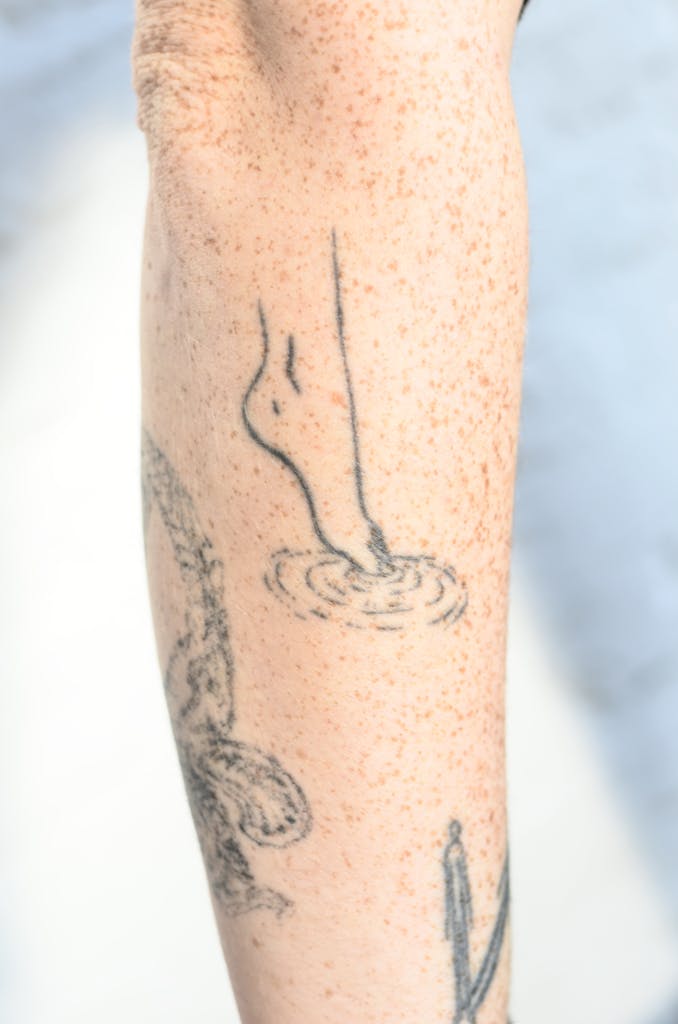
Fine line tattooing has emerged as a distinct and increasingly popular art form within the tattoo industry. Characterized by intricate details, delicate shading, and a reliance on thin needles, this style demands a high degree of precision and specialized skill from the artists who execute it. Funhouse Tattoo in Pacific Beach has, over time, developed a reputation for its particular approach to fine line work, becoming a notable institution within the San Diego tattoo scene for those seeking this aesthetic.
The Technical Demands of Fine Line Tattooing
The very nature of fine line work presents a unique set of technical challenges that differentiate it from other tattooing styles. Achieving consistent, clean lines requires not only a steady hand but also an in-depth understanding of skin anatomy and pigment behavior.
Needle Selection and Machine Calibration
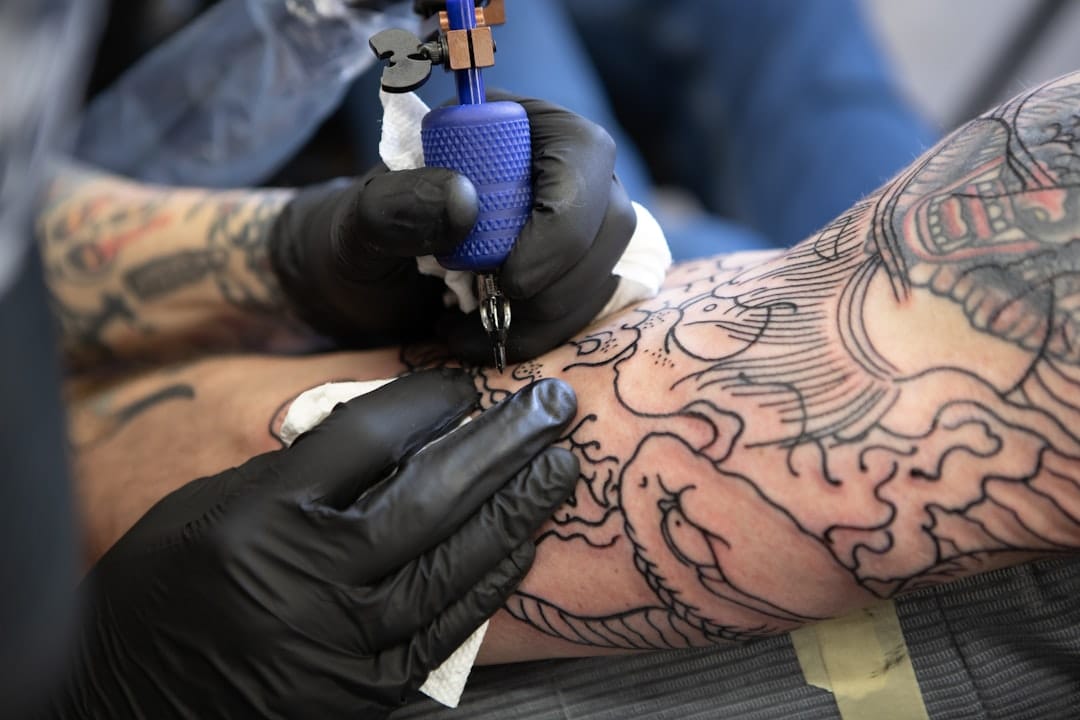
Central to successful fine line tattooing is the meticulous selection of needles. Artists specializing in this style at Funhouse Tattoo typically utilize single-needle configurations or very tight groupings of a few needles, often ranging from 1RL (round liner) to 3RL. The choice of needle gauge is equally crucial, with finer gauges (e.g., 0.25mm or 0.30mm) allowing for the ultra-thin lines that define the style.
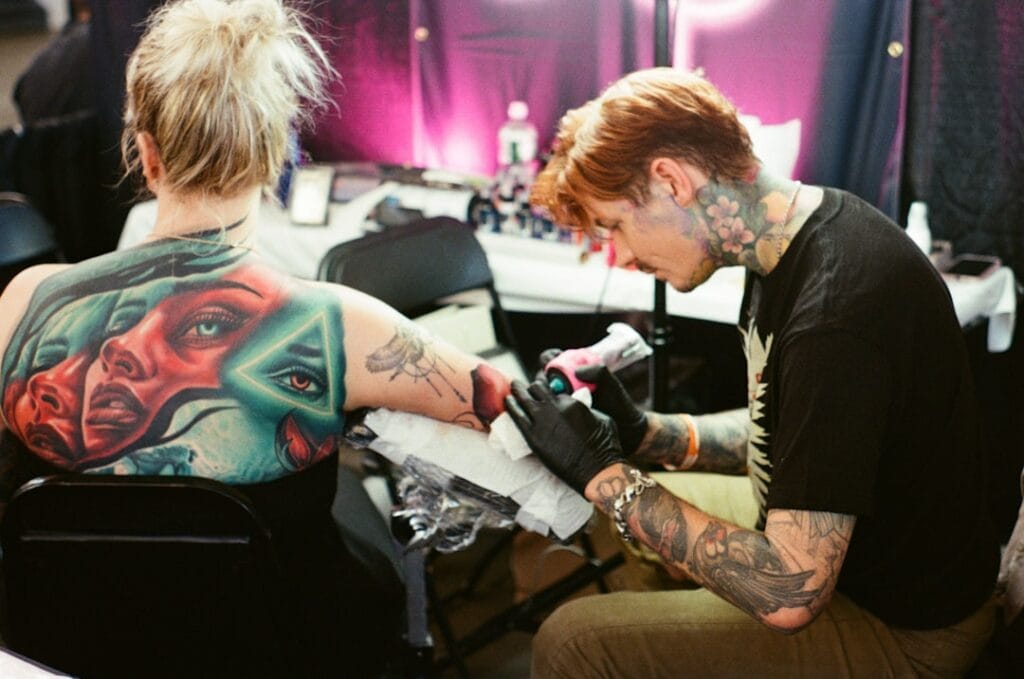
Beyond needle choice, the calibration of the tattoo machine is paramount. The artist must carefully adjust parameters such as voltage, needle depth, and machine speed to achieve optimal pigment saturation without overworking the skin. An overly aggressive approach can lead to “blowouts,” where ink spreads under the skin, blurring the delicate lines, while an insufficient approach can result in faded or patchy tattoos. Maintaining a consistent hand speed and pressure is critical for delivering a uniform line, a skill honed through years of practice.
Artistic Considerations and Design Philosophy
While the technical execution is a fundamental aspect, the artistic considerations and design philosophy behind fine line tattoos are equally important. This style often lends itself to specific types of imagery and artistic expression.
Minimalism and Subtlety
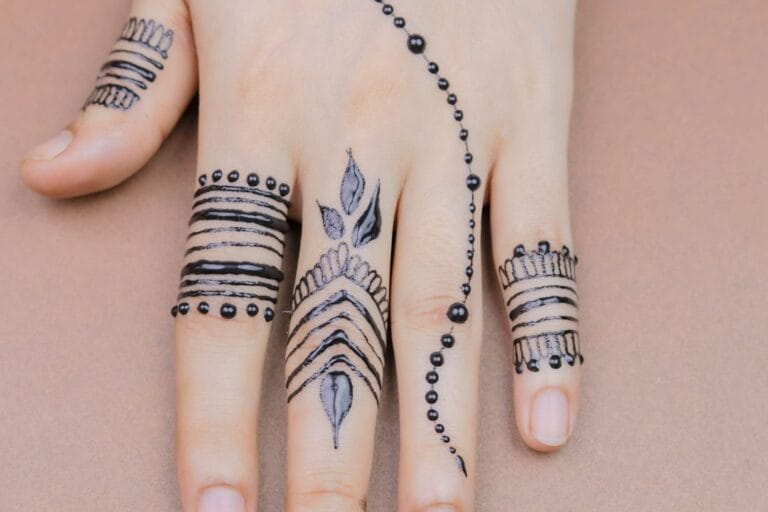
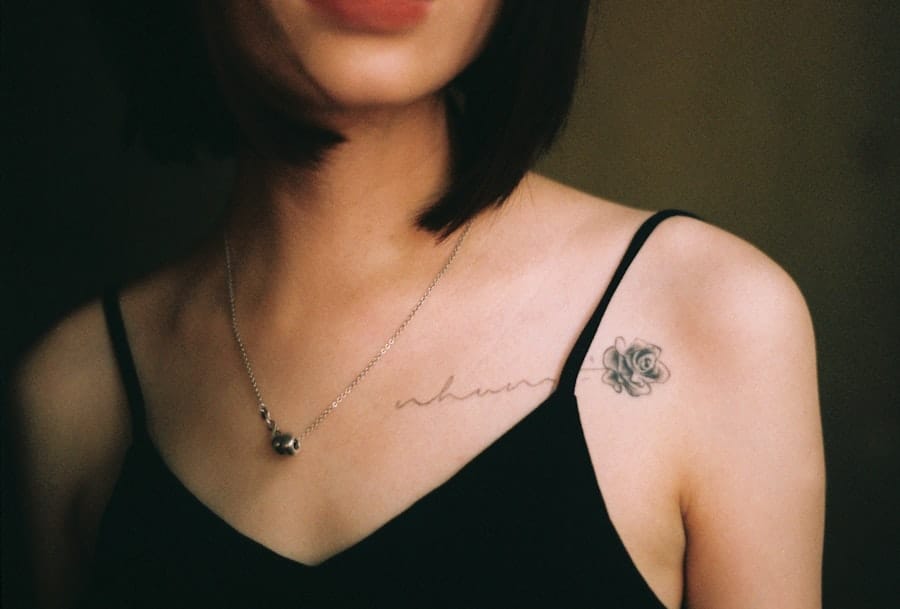
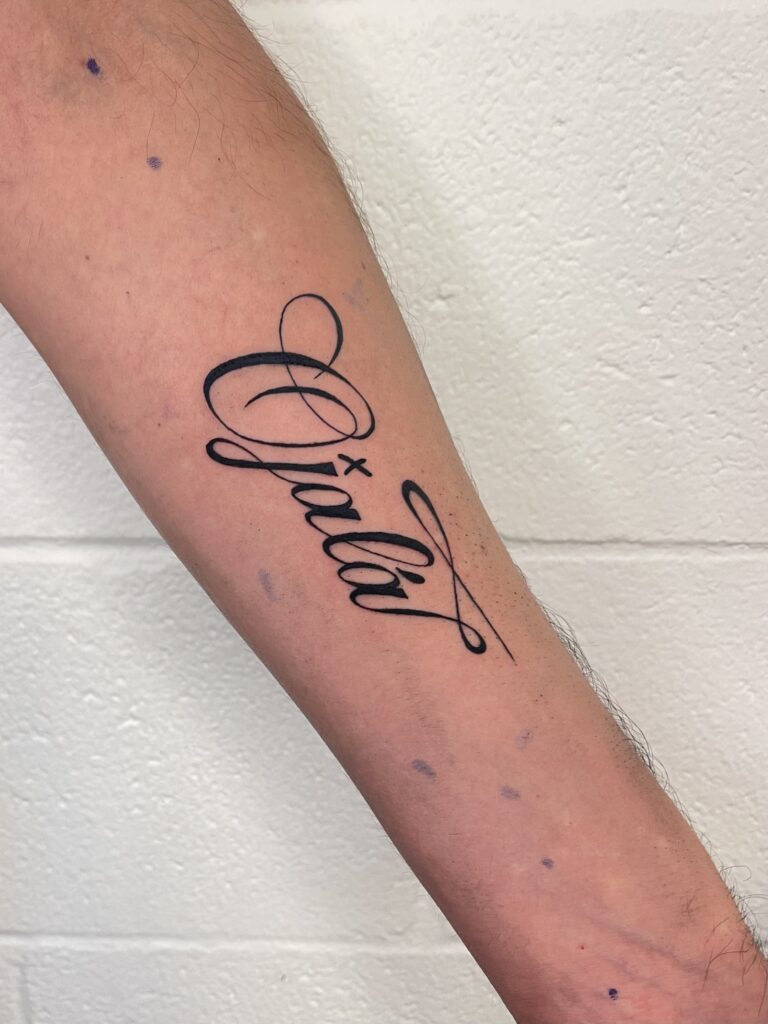
Fine line tattoos often embrace a minimalist aesthetic. Designs commonly feature sparse elements, negative space, and a reliance on implied detail rather than overt representation. This subtlety contributes to the style’s appeal, allowing for intricate yet understated body art. At Funhouse Tattoo, artists guide clients in translating their ideas into designs that respect the inherent limitations and strengths of fine line work, often encouraging simplification and elegant solutions over overly complex compositions.
Intricate Detail and Delicacy
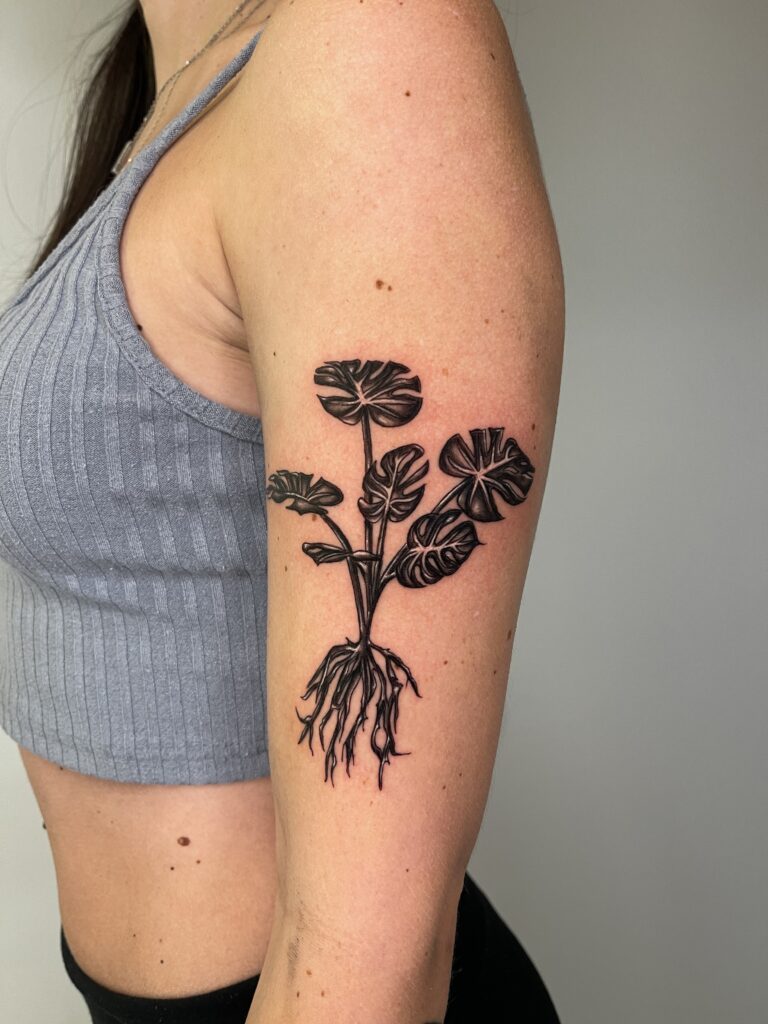
Despite the minimalist leanings, fine line tattooing is also capable of rendering extraordinary detail. Micro-portraits, miniature landscapes, and highly detailed botanical illustrations are common applications. The delicate nature of the lines allows for a refined aesthetic that can be difficult to achieve with thicker, bolder styles. This delicacy also extends to the subject matter, with many clients opting for imagery that is personal, symbolic, or carries a quiet significance.
Adapting Traditional Motifs
While modern, fine line tattooing is not entirely divorced from traditional tattoo motifs. Artists at Funhouse Tattoo have, in some instances, adapted classic imagery such as floral patterns, animal forms, or even symbolic iconography, rendering them with the precision and delicate touch characteristic of fine line work. This adaptation often involves simplifying the original design’s outlines and internal shading, creating a contemporary interpretation that maintains a connection to established tattoo traditions.
The Client Experience and Consultation Process
The journey for a client seeking a fine line tattoo at Funhouse Tattoo typically begins with a thorough consultation. This process is crucial for managing expectations, clarifying design concepts, and ensuring the final outcome aligns with the client’s vision and the artist’s capabilities within the fine line style.
Design Development and Collaboration
During the consultation, artists at Funhouse Tattoo engage in a collaborative process with clients. This involves discussing the client’s aesthetic preferences, the intended placement of the tattoo, and any specific imagery or symbolism they wish to incorporate. Artists often provide input on what aspects of a design will translate well into fine line work and offer alternatives for elements that might be challenging or compromise the delicate aesthetic. Sketches and digital mock-ups are frequently used to visualize the design before tattooing commences. This iterative process allows for adjustments and refinements, ensuring both parties are aligned before the needle touches the skin.
Evolution and Potential Challenges of Fine Line Tattoos
While fine line tattooing is currently in vogue, it is important to consider its long-term characteristics and potential challenges, as with any tattoo style. The industry continually evolves, and understanding these aspects provides a comprehensive perspective.
Long-Term Aesthetic Changes
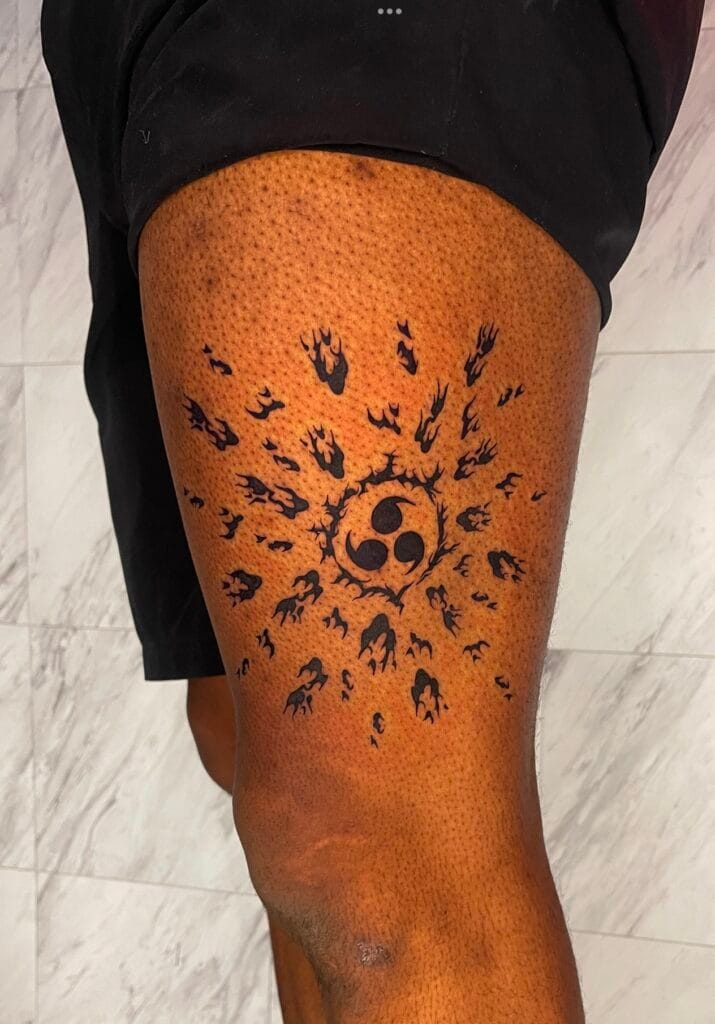
All tattoos undergo changes over time as skin ages and regenerates. Fine line tattoos, due to their intricate nature and delicate lines, can be particularly susceptible to subtle “softening” or blurring over many years. While a well-executed fine line tattoo from Funhouse Tattoo will retain its essential form, clients should be aware that the crispness of extremely thin lines might slightly diminish over decades. This is a natural physiological process and not necessarily indicative of poor workmanship. However, it is a point that responsible artists discuss with clients to manage expectations.
“Blowouts” and Ink Migration
A persistent challenge in fine line tattooing, particularly for less experienced artists, is the occurrence of “blowouts” or ink migration. This happens when the needle goes too deep, or the ink is deposited too aggressively into the skin, causing it to spread beyond the intended line. The appearance is a blurry, smudged effect around the tattoo’s edges. While Funhouse Tattoo’s experience and refined techniques aim to minimize such occurrences, it remains a technical risk inherent in the style. Corrective measures, though sometimes possible, can be challenging and underscore the importance of choosing a skilled and experienced artist for fine line work.
The Rise of Machine-Assisted Techniques
As technology advances, so too do the tools available to tattoo artists. While traditional fine line tattooing relies heavily on the artist’s manual dexterity and keen eye, there is an ongoing discussion within the industry about the potential impact of machine-assisted techniques or even semi-automated systems. At present, the vast majority of fine line work at Funhouse Tattoo, and indeed across the industry, is performed by hand with rotary or coil machines. However, the future could see new tools emerge that further refine precision, potentially impacting the skill sets required and the types of designs possible within the fine line aesthetic. This is a developing area, and studios like Funhouse Tattoo will likely evaluate such advancements as they become viable.
The Future Trajectory of Fine Line Specialists
The consistent demand for fine line tattoos suggests that this aesthetic is not a fleeting trend but rather an established and continually evolving facet of the tattoo industry. Studios like Funhouse Tattoo, which have cultivated expertise in this area, are positioned to adapt and contribute to its ongoing development.
Specialization and Expertise
The increasing specialization within the tattoo industry means that artists who dedicate themselves to specific styles, such as fine line, are likely to garner a distinct clientele. This focus allows for the refinement of techniques, the accumulation of specialized equipment, and the development of a design portfolio that caters precisely to this aesthetic. Funhouse Tattoo’s commitment to artists proficient in fine line work reflects this broader industry trend towards specialization. Clients often specifically seek out studios known for their mastery in a particular style, rather than a generalist approach.
Educational Initiatives and Skill Development
Ongoing education and skill development are crucial for artists within any specialized field. For fine line specialists, this involves staying abreast of new needle technologies, advanced pigment formulations, and evolving application techniques. Workshops, conventions, and peer-to-peer knowledge sharing contribute to the continuous improvement of fine line artists. Funhouse Tattoo’s artists, like those at other professional studios, are expected to engage in such practices to maintain and advance their expertise. This commitment ensures that the quality and innovation within the fine line aesthetic continue to progress.
Adapting to Client Demands and Artistic Innovation
Ultimately, the trajectory of fine line tattooing, and the role of specialized studios within it, will be shaped by both evolving client demands and artistic innovation. As clients become more discerning and specific in their tattoo preferences, artists will continue to push the boundaries of what is possible with fine lines, exploring new subject matter, combining fine line with other subtle styles (e.g., minimalist dot work), and refining the overall aesthetic. Funhouse Tattoo’s artists are part of this ecosystem, contributing to the broader conversation about the limits and possibilities of fine line tattooing through their individual creative output and technical proficiency.
FAQs
What are fine line tattoos?
Fine line tattoos are a style of tattooing that uses thin, delicate lines to create intricate designs. This style is known for its minimalist and subtle appearance.
What is Redemption Ink Specialists in Pacific Beach known for?
Redemption Ink Specialists in Pacific Beach is known for their expertise in fine line tattoos. They are recognized for their skill in creating detailed and precise designs in this style.
What should I consider before getting a fine line tattoo?
Before getting a fine line tattoo, it’s important to consider the size and placement of the design, as well as the potential for fading over time. Fine line tattoos may require more frequent touch-ups compared to bolder styles.
How do I care for a fine line tattoo after getting it done?
After getting a fine line tattoo, it’s important to follow the aftercare instructions provided by the tattoo artist. This typically includes keeping the tattoo clean, moisturized, and protected from sun exposure during the healing process.
Are fine line tattoos suitable for everyone?
Fine line tattoos can be suitable for many people, but it’s important to consult with a professional tattoo artist to determine if this style is the best choice for your desired design, skin type, and lifestyle.