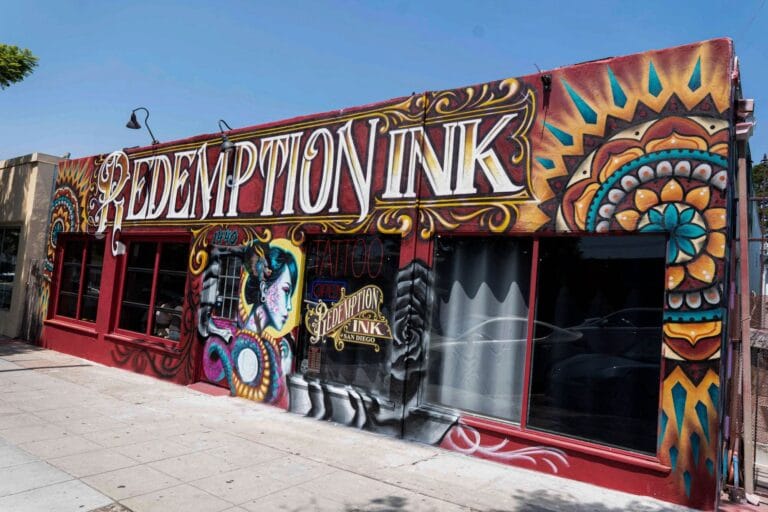
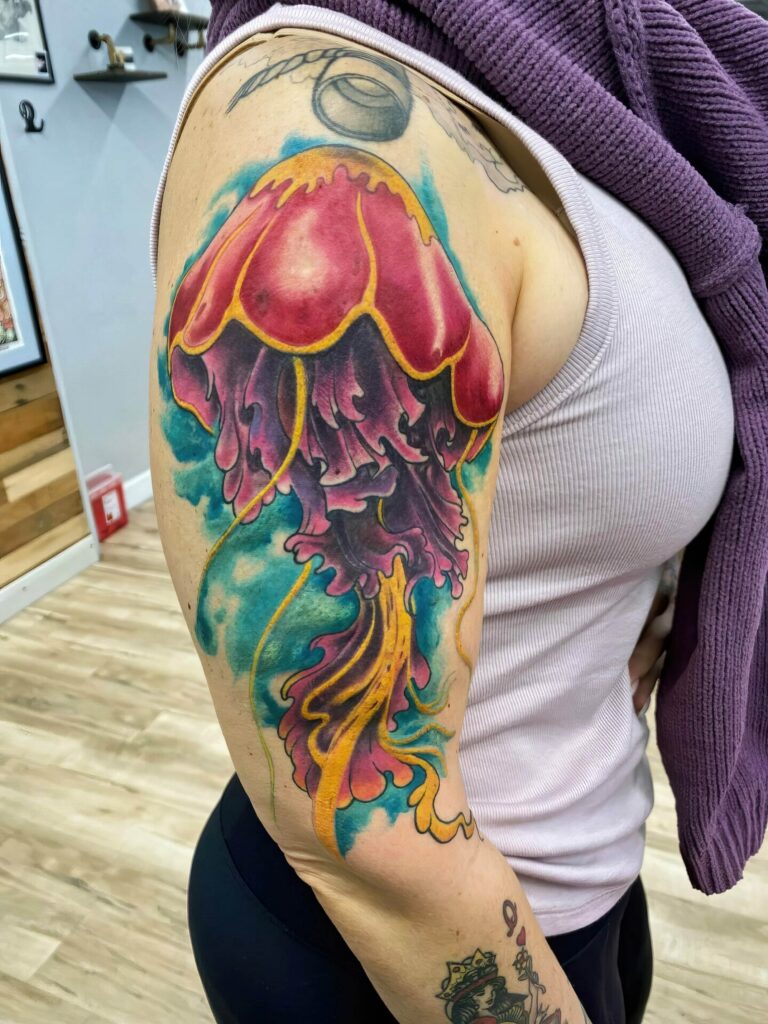
Color tattoos represent a significant facet of the tattoo art form, demanding specific skills and a deep understanding of pigment interaction and application. In Pacific Beach, San Diego, Redemption Ink stands as a studio where artists explore and excel in the realm of color tattooing, offering clients a diverse palette of possibilities to translate their visions onto skin. This exploration delves into the techniques, considerations, and artistic approaches employed by the Redemption Ink artists when creating impactful color pieces.
The Foundation of Color: Design and Consultation
The journey of any color tattoo begins long before the needle touches skin. For the artists at Redemption Ink, this initial phase is crucial for establishing a clear direction and ensuring the client’s expectations align with the capabilities of the medium.
Understanding Client Vision and Lifestyle
The process of color tattooing starts with a thorough consultation. Artists at Redemption Ink engage with clients to understand not just the desired imagery, but also the underlying meaning and aesthetic preferences. This involves discussing:
Subject Matter and Symbolism
Clients often bring specific motifs, symbols, or scenes they wish to commemorate. The artists work to translate these ideas into a visual language that translates effectively in color. This might involve exploring different styles of representation, from realistic to abstract, and how various colors can enhance the intended symbolism.
Placement and Flow
The chosen location on the body plays a vital role in how a color tattoo will age and appear. Redemption Ink artists consider the natural contours of the skin, muscle movement, and sun exposure when advising on placement. This ensures the color design complements the body’s form.
Color Palette Preferences
While clients may have a general idea of desired colors, the artists guide them through the nuances of color theory as it applies to tattooing. This includes discussing:
- Hue Harmony: How different colors interact and create a cohesive look.
- Saturation Levels: The intensity of colors and their emotional impact.
- Value and Contrast: The use of light and dark shades to create depth and visual interest.
Translating Ideas into Tattooable Designs
Once the foundational elements are discussed, the Redemption Ink artists move on to the design phase. This is where their expertise in translating two-dimensional concepts into durable, visually compelling skin art comes into play.
Sketching and Digital Mock-ups
Initial sketches allow for a tangible representation of the concept and provide a basis for client feedback. For complex color pieces, digital mock-ups can be particularly useful. These allow for:
- Color Previews: Visualizing how different color combinations will appear.
- Scale Adjustments: Ensuring the design fits the intended area with appropriate detail.
- Refinement of Forms: Accurately rendering shapes and outlines that will hold color effectively.
Consideration of Skin Tone and Undertones
A critical aspect often overlooked by those new to color tattooing is the interplay between ink and skin. Redemption Ink artists are adept at understanding how different skin tones will affect the appearance of various colors.
- Warmer Undertones: Can enhance or alter the perception of certain hues, making them appear warmer or brighter.
- Cooler Undertones: May mute or shift the appearance of colors, requiring adjustments in pigment choice.
- Skin Pigmentation Levels: The density of melanin in the skin can influence the vibrancy and clarity of colors. Artists select pigments that will achieve the desired vibrancy and longevity on the specific client’s skin.
The Technical Craft of Color Application
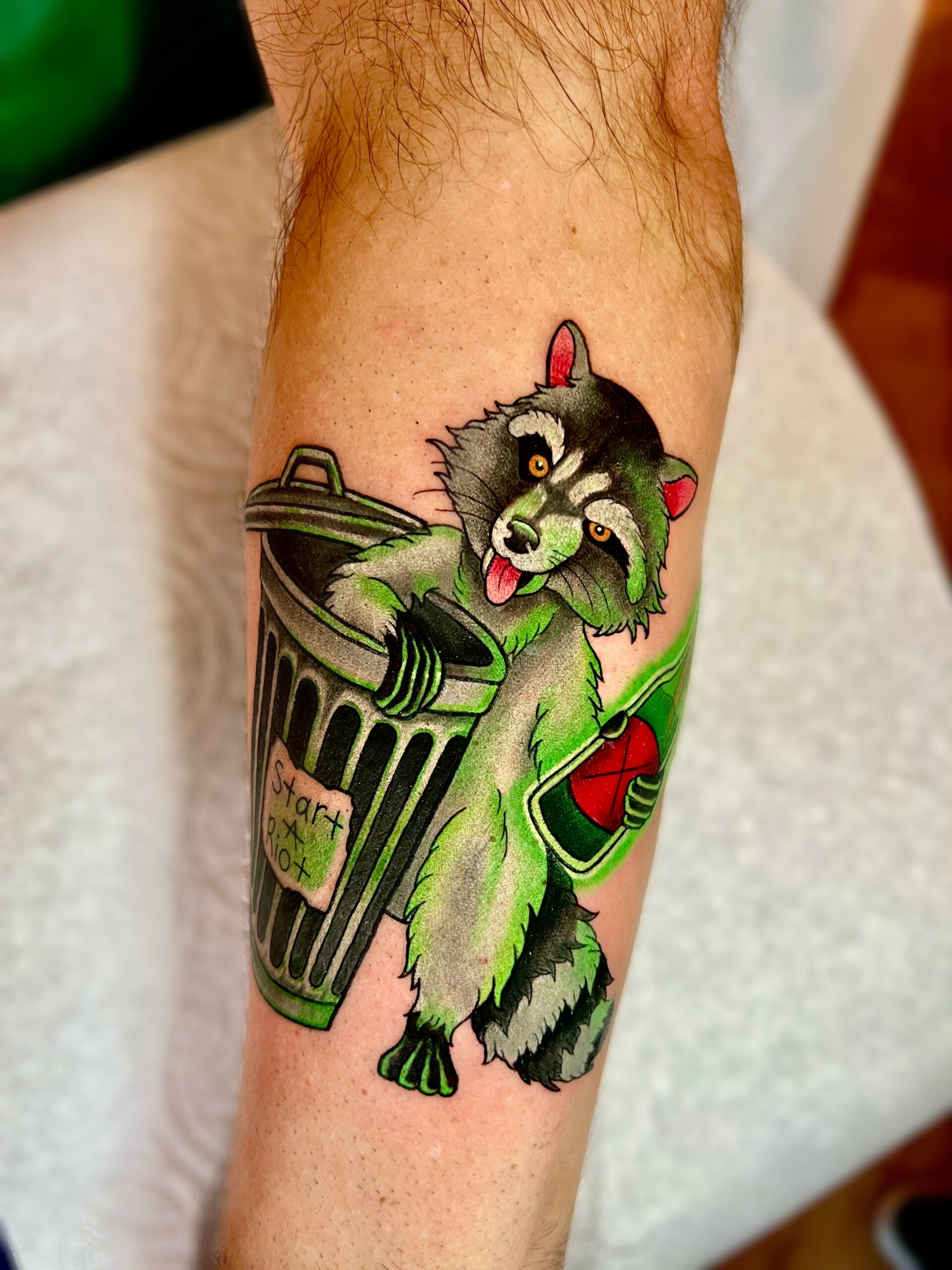
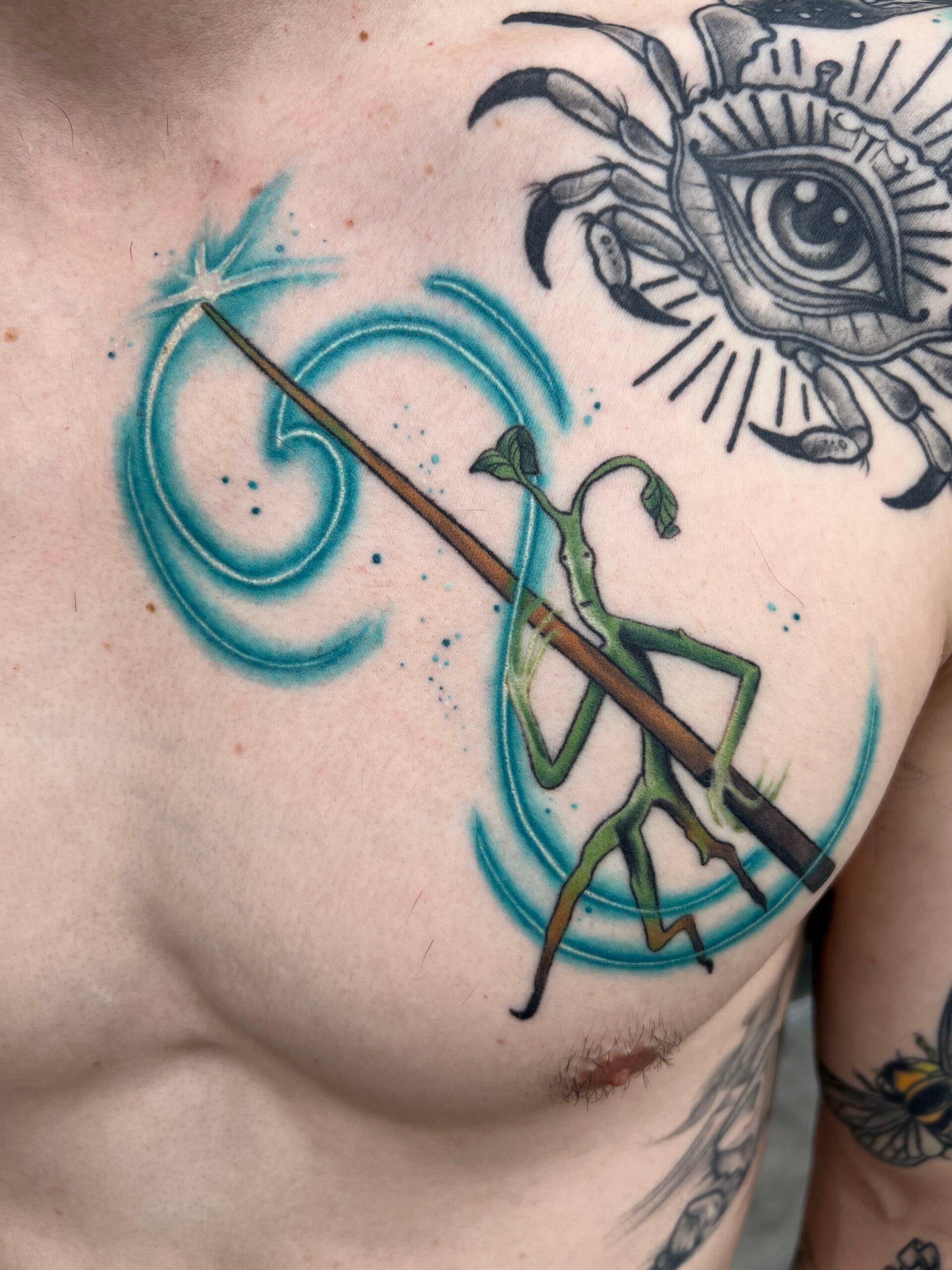
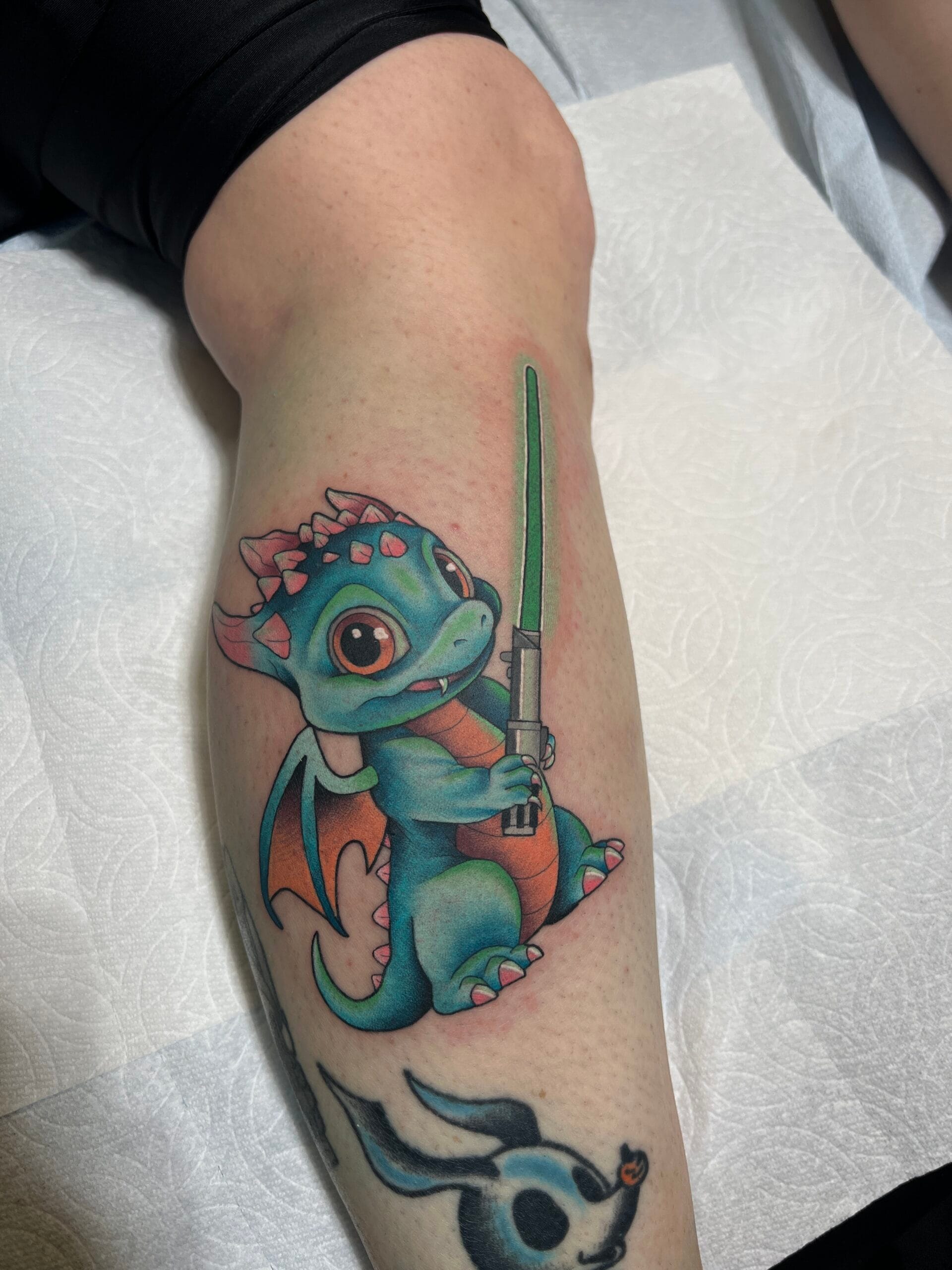
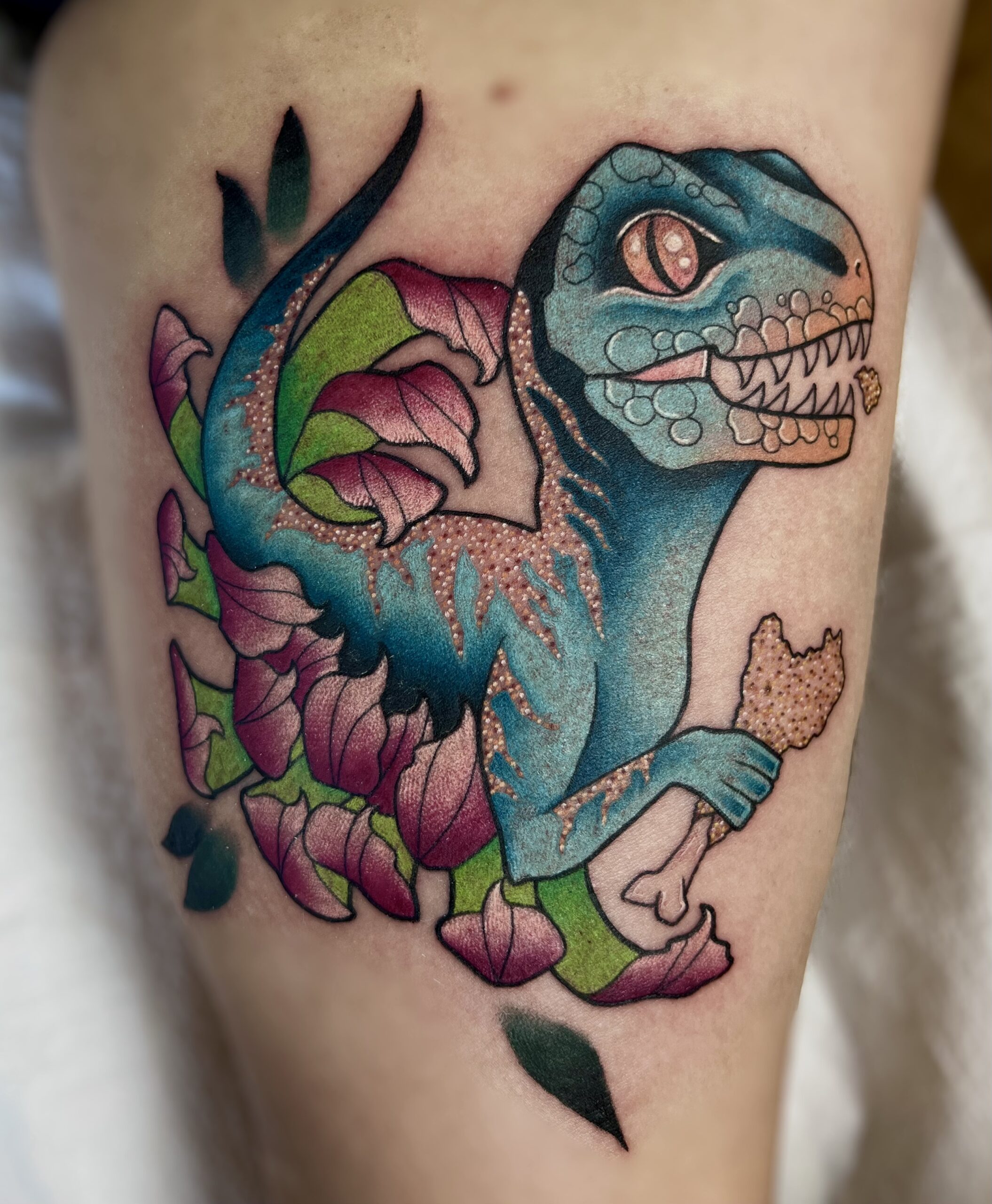
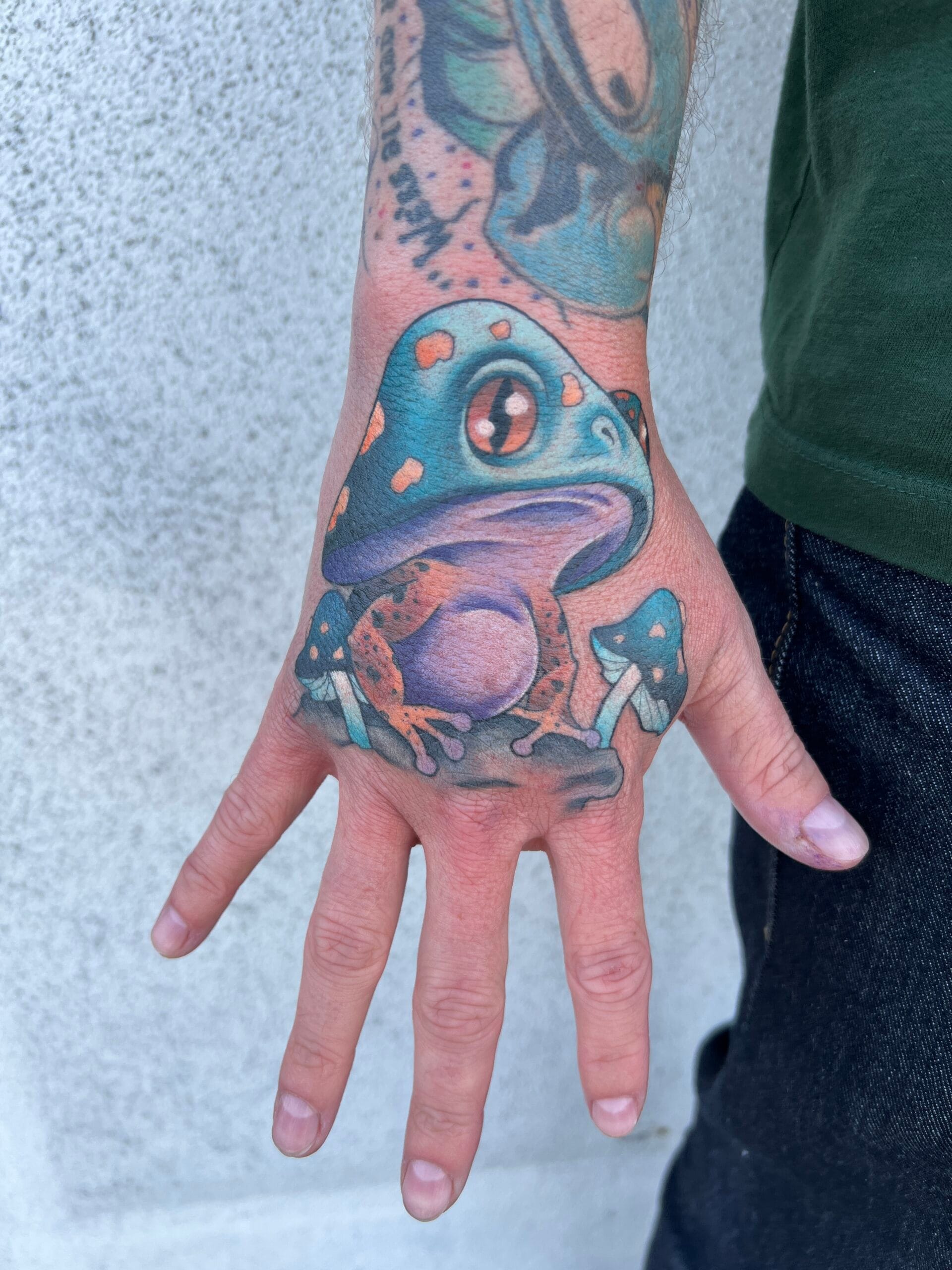
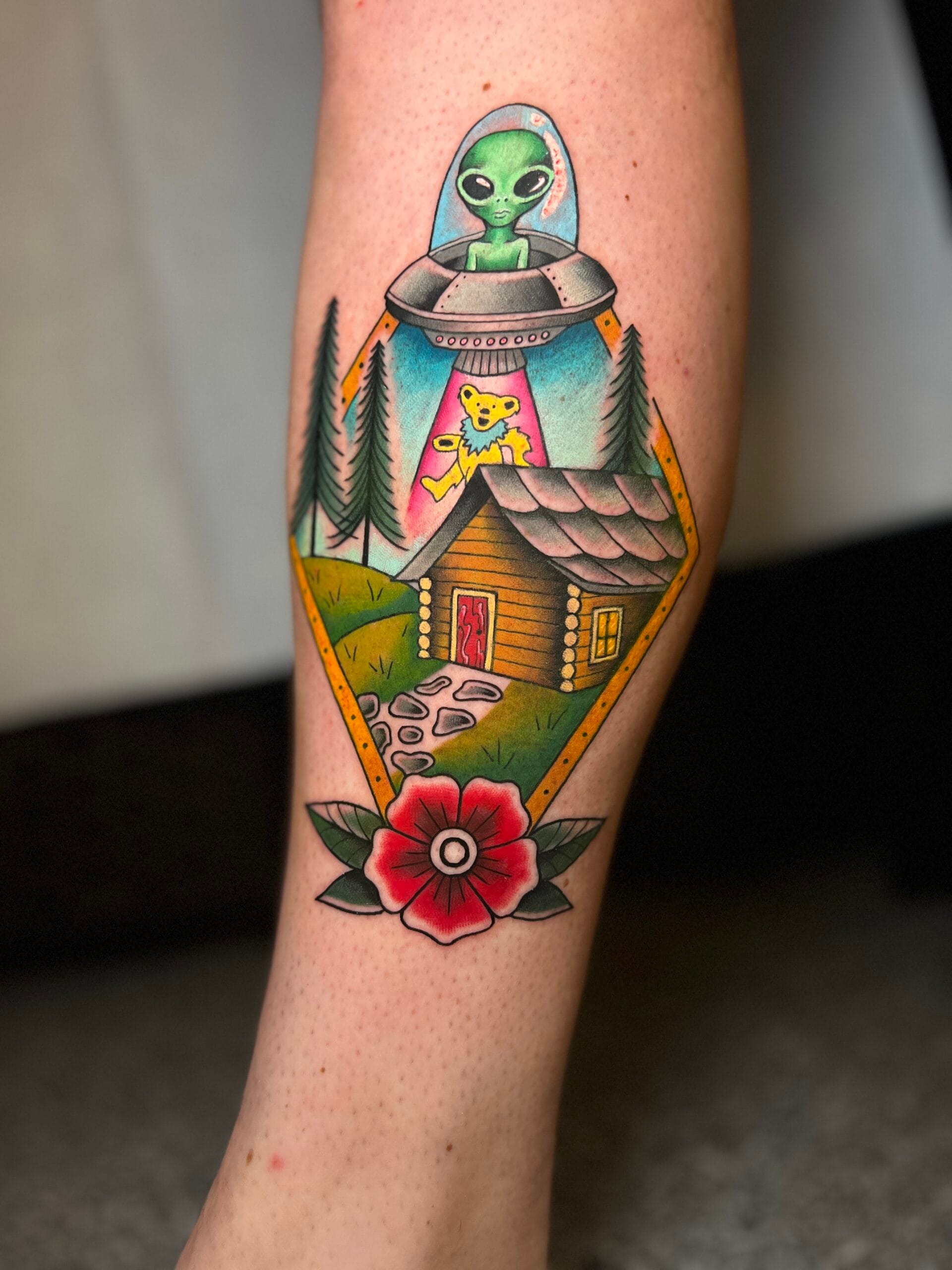
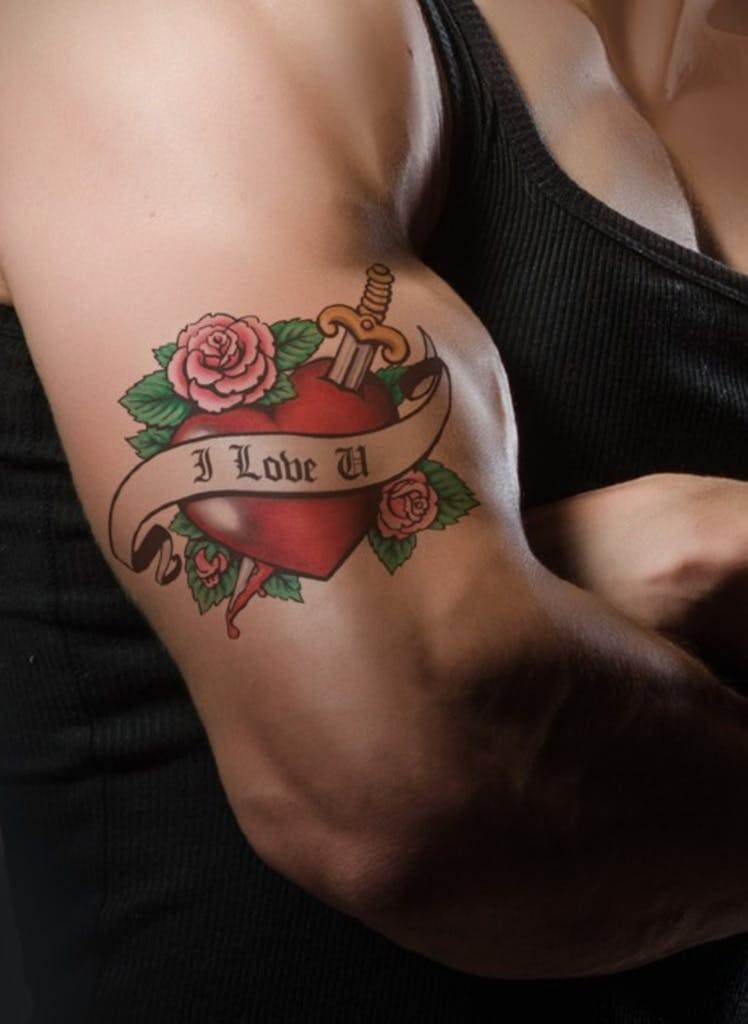
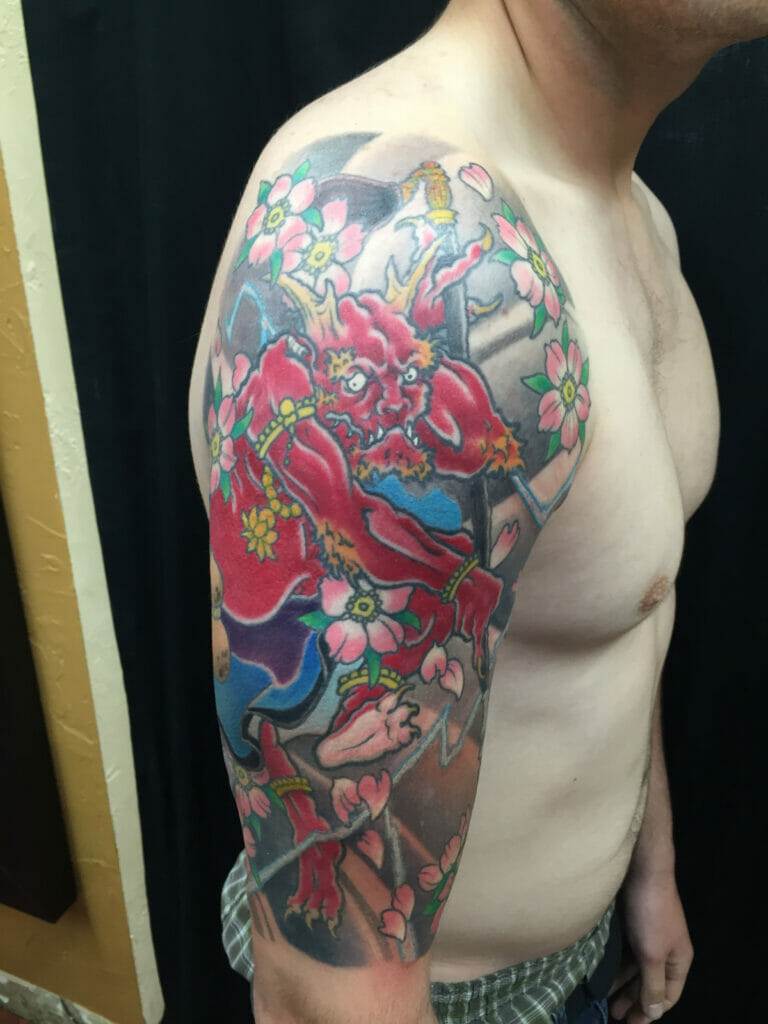
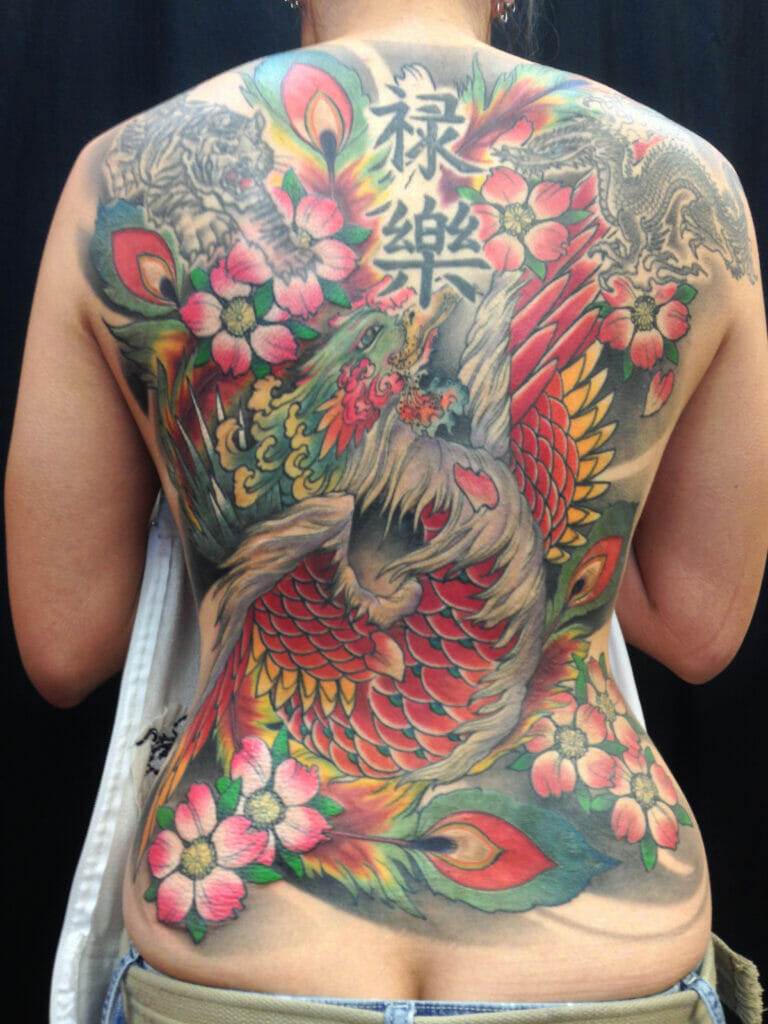
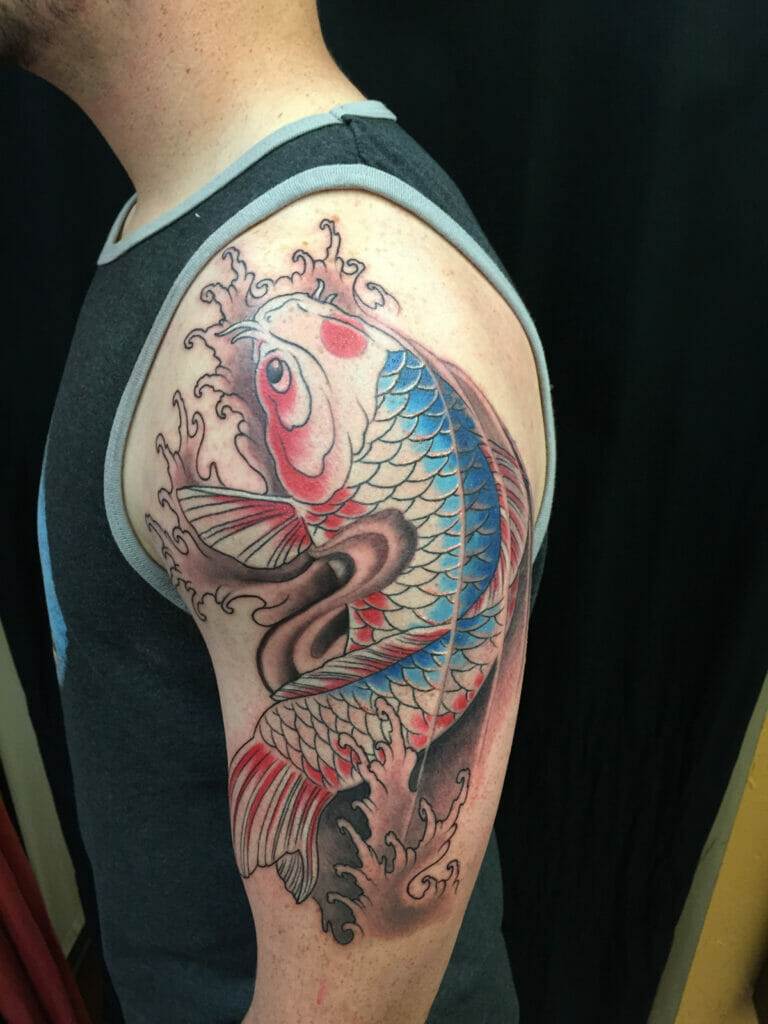
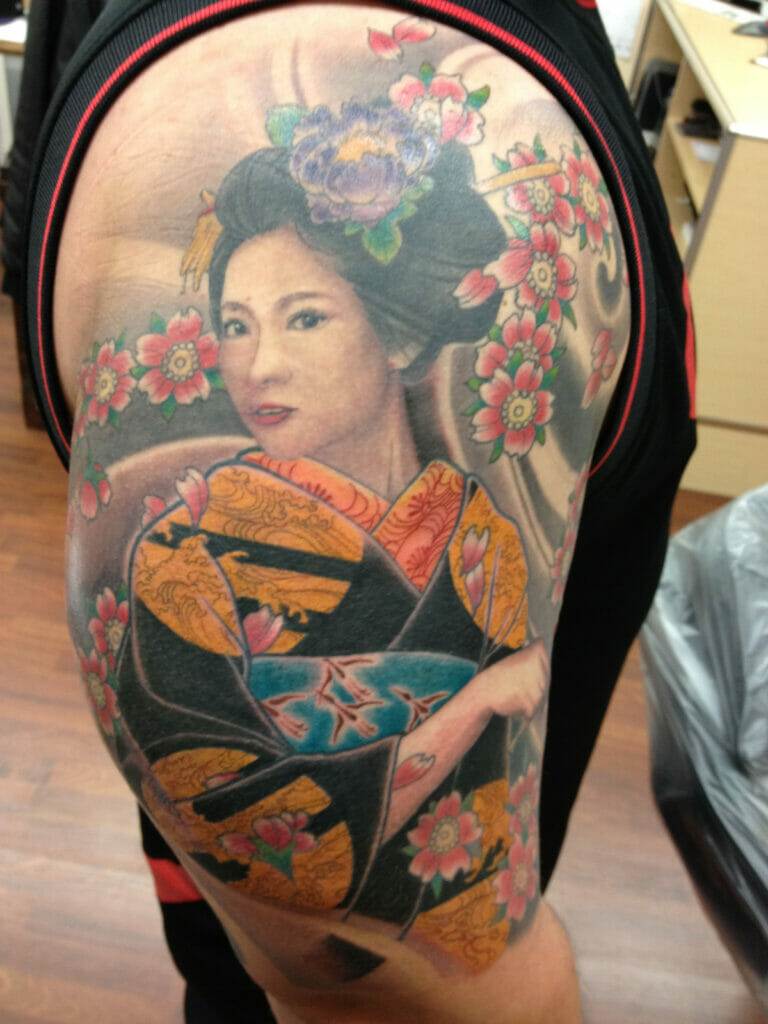
Applying vibrant and lasting color is a technical discipline that requires precision, control, and a deep understanding of ink saturation and layering. The artists at Redemption Ink employ various techniques to achieve striking results.
Mastering Needle Techniques for Color
The choice of needles and their application directly impacts how color is deposited into the skin. Redemption Ink artists utilize specific techniques for different effects:
Packing Color Solidly
This involves using specific needle configurations, often larger groupings, to fill areas with solid, uniform color. The technique requires consistent pressure and an even sweep to avoid patchy or uneven saturation.
- Whip Shading: A technique where the needle is dragged across the skin in a rapid, curved motion, creating softer transitions and gradients. This is particularly effective for blending in color nuances.
- Stippling: Using small dots to build up color and create texture and shading. This method allows for subtle gradations and a more painterly effect.
Creating Smooth Gradients and Blends
Achieving seamless transitions between colors is a hallmark of skilled color tattooing. This is accomplished through:
- Layering and Overlapping: Applying lighter shades first and gradually building up darker tones or vice versa, depending on the desired effect.
- Whip Shading Techniques: As mentioned above, whip shading is instrumental in creating soft, organic-looking blends between different hues.
- Color Mixing: Artists meticulously mix pigments to achieve precise shades and gradients, ensuring a harmonious flow between colors.
The Importance of Pigment Selection and Quality
The longevity and vibrancy of a color tattoo are heavily reliant on the quality of the inks used. Redemption Ink prioritizes the use of reputable pigment brands that are known for their stability and adherence to safety standards.
Understanding Pigment Properties
Different pigments have varying properties that influence their behavior in the skin. This includes:
- Particle Size: Smaller pigment particles may fade more quickly than larger ones.
- Pigment Composition: Organic and inorganic pigments have different characteristics in terms of lightfastness and color retention.
- Viscosity: The thickness of the ink affects how easily it can be deposited into the skin.
Ensuring Color Vibrancy and Longevity
Redemption Ink artists select pigments that are specifically formulated for tattooing and are known for their:
- Color Saturation: High-quality pigments offer intense, true-to-hue colors that remain vibrant over time.
- Lightfastness: Resistance to fading when exposed to UV light is crucial for maintaining the integrity of the color.
- Biocompatibility: Ensuring the pigments are safe for human skin and have a low risk of allergic reactions.
Diverse Applications of Color in Tattoo Art
The application of color in tattooing is not monolithic; it encompasses a wide range of styles and approaches, each offering unique aesthetic possibilities. The artists at Redemption Ink demonstrate versatility in their use of color across various genres.
Realism and Portraiture in Color
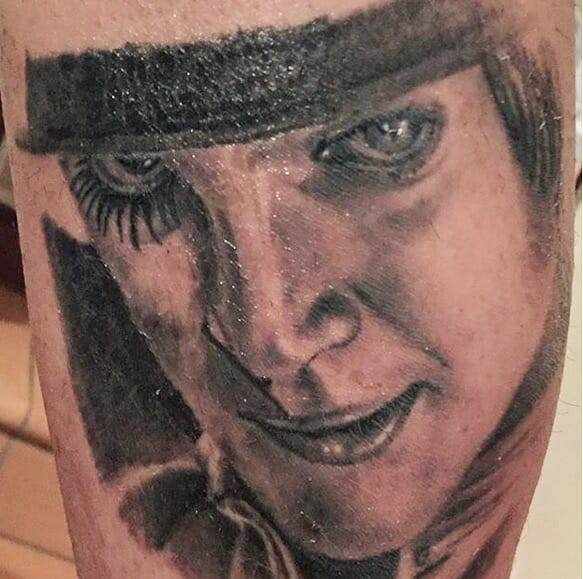
Achieving a lifelike representation of a subject in color requires a high level of technical skill and an astute understanding of light, shadow, and subtle color shifts.
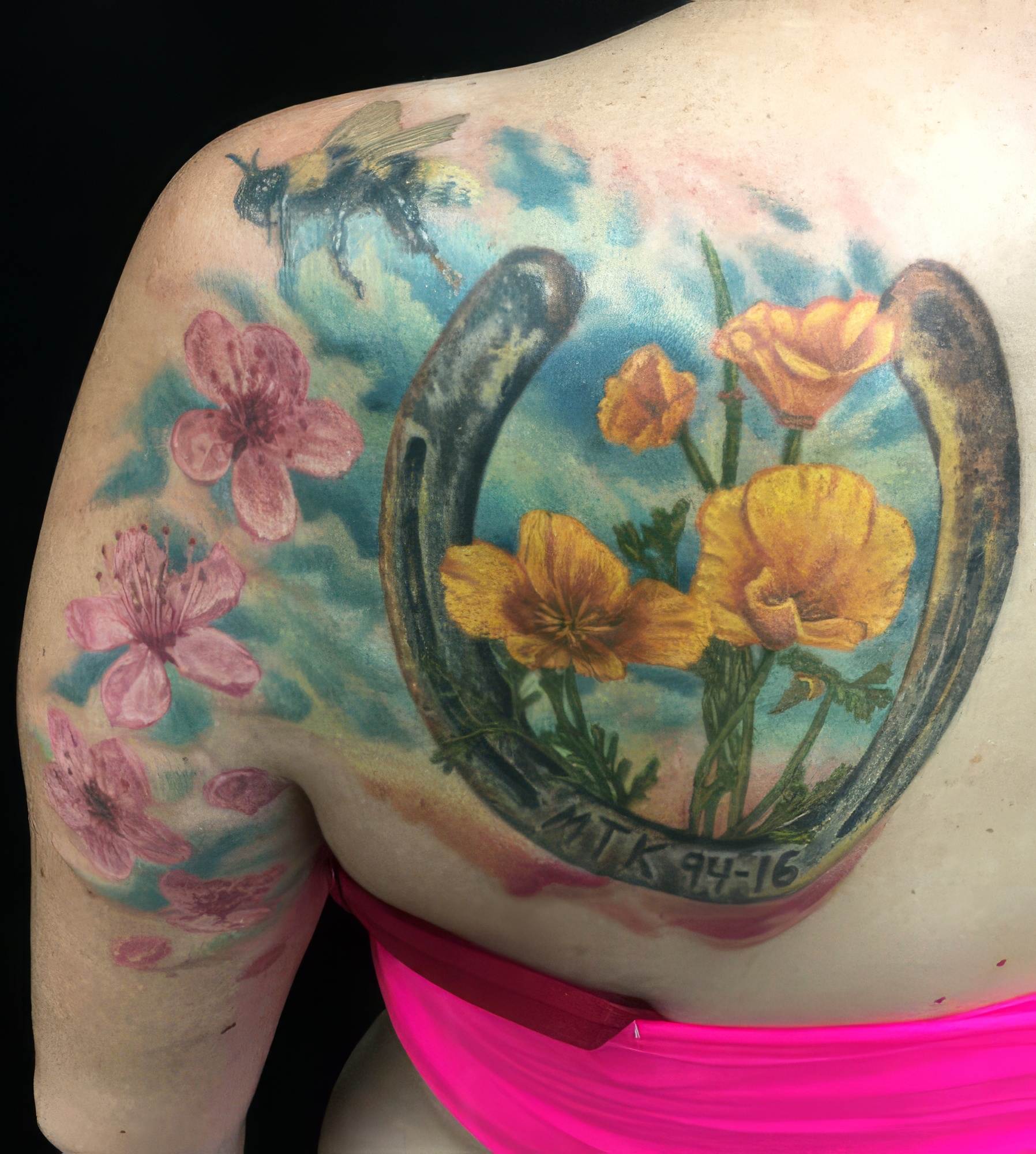
Capturing Skin Tones and Textures
For portraits, accurately depicting skin tones is paramount. This involves:
- Subtle Color Blending: Artists meticulously blend a range of undertones, highlights, and shadows to create the illusion of smooth, natural skin.
- Mimicking Texture: Using fine lines and color variations to suggest the texture of skin, hair, or fabric.
Recreating Light and Shadow Dynamics
The interplay of light and shadow is what gives realistic tattoos depth and dimension. Redemption Ink artists achieve this through:
- Graduated Shading: Smooth transitions from light to dark, mimicking how light falls on a subject.
- Color Correction: Applying subtle tints and washes to accurately represent reflected light and subtle color shifts caused by ambient light.
Illustrative and Neo-Traditional Styles
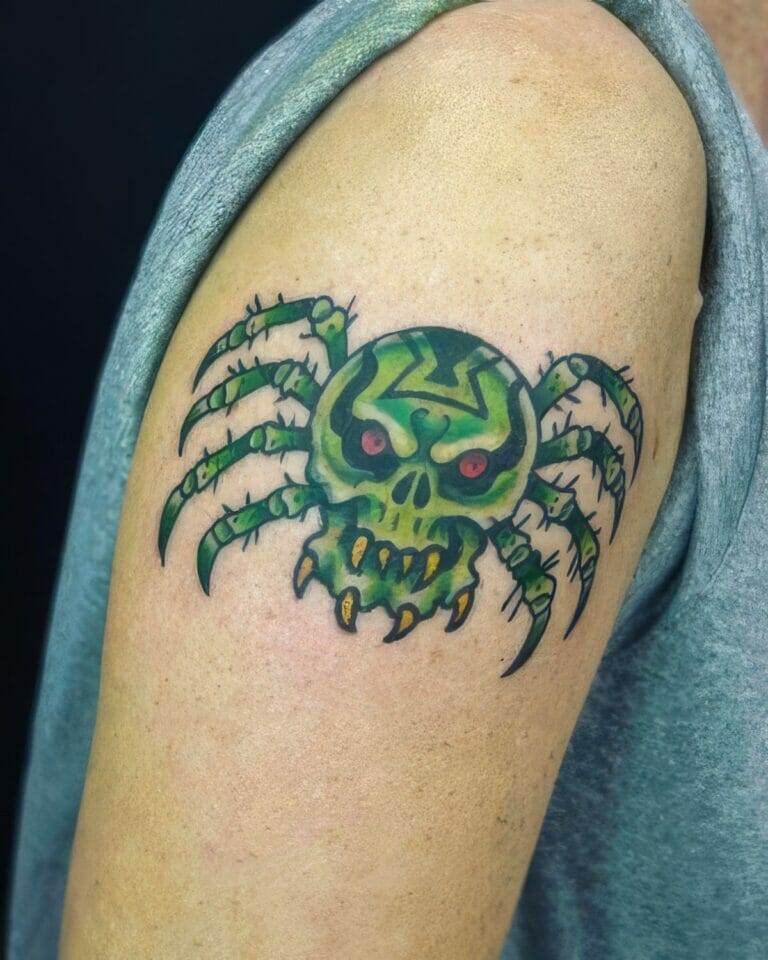
These styles often embrace bold colors, strong outlines, and stylized representations, allowing for creative freedom and expressive use of pigment.
Employing Bold and Saturated Hues
Illustrative and neo-traditional tattoos often benefit from vibrant, almost cartoon-like colors. Artists utilize:
- Solid Color Fills: Uniform application of bright, impactful colors to areas of the design.
- High Contrast Combinations: Pairing complementary or analogous colors to create visual pop and define elements within the design.
Utilizing Outline Techniques for Color Definition
Strong linework is integral to these styles, serving to contain and accentuate the colors.
- Thick, Defined Outlines: Creating a clear separation between colored areas, enhancing readability and visual impact.
- Varying Line Weights: Using different thicknesses of lines to add depth and emphasize certain features of the illustration.
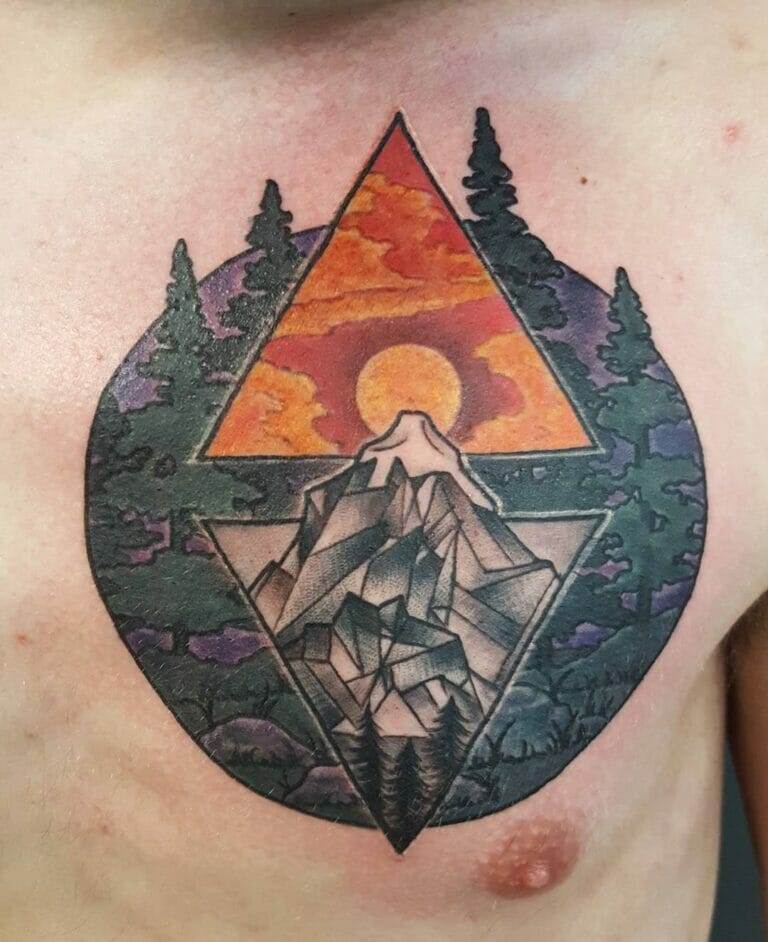
Abstract and Geometric Color Work
These styles explore the expressive potential of color itself, often without representing recognizable subjects.
Exploring Color Theory in Abstract Compositions
Abstract color tattoos at Redemption Ink can be a playground for exploring color relationships and emotional resonance. This involves:
- Harmonious Palettes: Creating visually pleasing combinations of analogous or monochromatic colors.
- Contrasting Palettes: Using complementary colors to create tension, energy, and visual excitement.
- Layering and Transparency Effects: Building up translucent layers of color to create depth and intricate patterns.
Precision in Geometric Forms
Geometric color tattoos require a meticulous approach to ensure clean lines and precise color application within defined shapes.
- Consistent Line Work: Maintaining sharp, consistent edges for geometric elements.
- Even Color Fills: Ensuring that the color within geometric shapes is applied uniformly without bleed or patchy areas.
- Color Blocking and Gradients within Shapes: Using color strategically to emphasize the three-dimensional nature of geometric forms.
The Longevity and Care of Color Tattoos
The beauty of a color tattoo is best preserved through proper aftercare and an understanding of how skin and ink interact over time. Redemption Ink artists provide guidance to ensure the longevity of their work.
Essential Aftercare Practices
The initial healing period is critical for setting the stage for a color tattoo’s future appearance.
Wound Healing and Infection Prevention
Following standard tattoo aftercare protocols is paramount. This includes:
- Keeping the Area Clean: Gently washing the tattoo with mild, unscented soap and water.
- Moisturizing: Applying a thin layer of recommended tattoo balm or lotion to keep the skin hydrated.
- Avoiding Submersion: Staying away from baths, hot tubs, and pools during the initial healing phase.
Protecting from Sun Exposure
UV rays are a primary enemy of color vibrancy.
- Sunscreen Application: Once the tattoo is fully healed, regular and consistent application of high SPF sunscreen is essential to prevent fading.
- Protective Clothing: Covering the tattooed area when prolonged sun exposure is unavoidable.
Understanding the Aging Process of Color
While vibrant and eye-catching, color tattoos, like all tattoos, undergo a natural aging process.
Natural Fading and Color Shift
Over time, the skin’s natural processes and external factors can lead to subtle changes in color.
- Pigment Migration: Tiny pigment particles can slowly spread within the dermis, potentially softening sharp lines and color boundaries.
- UV Damage: Continuous exposure to sunlight breaks down tattoo pigments, causing them to become less saturated and potentially paler.
- Skin Changes: As the skin ages, its elasticity and texture can change, which may subtly alter the perception of the tattoo’s colors.
Touch-ups and Maintenance
To maintain the initial brilliance of a color tattoo, periodic touch-ups may be necessary.
- Assessing Color Saturation: Over the years, areas that have experienced more sun exposure or have naturally thinner skin may require minor color replenishment.
- Refining Outlines: If outlines have softened, a touch-up can bring back their definition.
- Consultation for Renewal: Redemption Ink artists are available for consultations to assess the condition of older color tattoos and discuss potential touch-up options.
Considerations for Achieving Impactful Color Tattoos
Beyond technical proficiency, certain considerations by both the artist and the client contribute to the overall success and lasting appeal of a color tattoo.
The Role of Contrast and Harmony
The dynamic interplay of colors is what draws the eye and creates visual interest.
Strategic Color Placement
Artists at Redemption Ink consider how colors will interact with each other on the skin, taking into account the surrounding skin tone and other existing tattoos.
- Complementary Colors: Placing colors opposite each other on the color wheel (e.g., blue and orange) to create strong visual contrast.
- Analogous Colors: Using colors adjacent to each other on the color wheel (e.g., yellow, orange, red) to create a sense of harmony and flow.
Creating Depth and Dimension
Color is a powerful tool for creating the illusion of three-dimensionality.
- Highlight and Shadow Tones: Using lighter, warmer colors for highlights and darker, cooler colors for shadows to mimic light sources.
- Implied Light: Subtle shifts in color saturation and hue can suggest light reflecting off surfaces.
The Importance of Artist Experience and Style
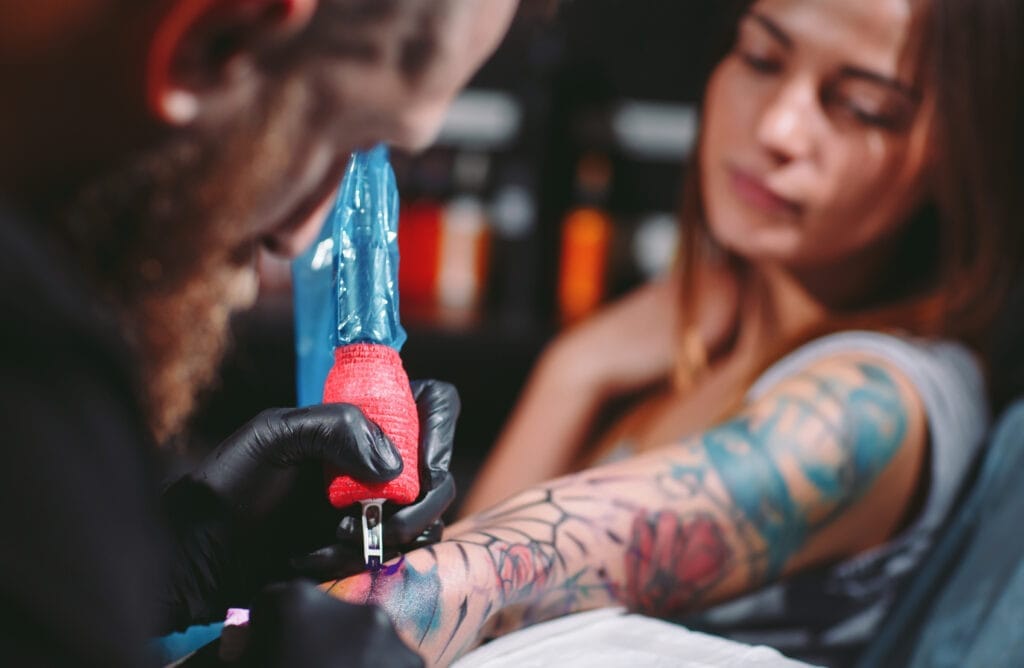
Choosing an artist whose aesthetic aligns with your vision is as important as selecting the right colors.
Artist Specialization and Portfolio Review
Redemption Ink artists have diverse skill sets and artistic preferences. Reviewing their portfolios is key to understanding their approach to color.
- Subject Matter Experience: Does the artist have a track record of successful color tattoos in the style you desire (e.g., realism, illustrative, abstract)?
- Color Palette Preferences: Does their exhibited use of color resonate with your own aesthetic preferences?
Open Communication for Optimal Results
A collaborative relationship between artist and client is essential for achieving the best possible color tattoo.
- Articulating Your Vision Clearly: Being able to communicate your ideas, preferences, and any concerns explicitly.
- Trusting Artist Expertise: Allowing the artist to guide decisions regarding color choices, placement, and technical execution based on their experience.
The exploration of color tattooing at Redemption Ink in San Diego highlights the intricate blend of artistic vision and technical execution required to create enduring and visually compelling pieces of body art. From the initial consultation to the final healing, each step plays a crucial role in bringing vibrant designs to life on skin.
FAQs
What is Redemption Ink?
Redemption Ink is a non-profit organization that provides free tattoos to cover up gang-related or human trafficking tattoos. They also offer free tattoos to survivors of domestic violence and self-harm.
What is the significance of color tattoos in Pacific Beach?
Color tattoos in Pacific Beach are a popular form of self-expression and art. They are often used to commemorate special events, express personal beliefs, or simply as a form of body art.
Who are the artists behind the color tattoos in Pacific Beach?
The color tattoos in Pacific Beach are created by the talented artists of Redemption Ink. These artists are skilled in various tattoo styles and are dedicated to helping individuals reclaim their bodies through meaningful and beautiful tattoos.
How can someone get a color tattoo from Redemption Ink in Pacific Beach?
To receive a color tattoo from Redemption Ink in Pacific Beach, individuals must meet the organization’s criteria, such as having a gang-related or human trafficking tattoo that they wish to cover up. They can then apply for a free tattoo through the Redemption Ink website.
What is the impact of color tattoos from Redemption Ink in Pacific Beach?
The color tattoos from Redemption Ink in Pacific Beach have a profound impact on the individuals who receive them. These tattoos not only cover up painful reminders of the past but also serve as symbols of empowerment, healing, and hope for a brighter future.