Japanese tattoos, known as irezumi, have a rich and fascinating history that dates back thousands of years. The origins of Japanese tattoos can be traced back to the Jomon period, which lasted from around 10,000 BCE to 300 BCE. During this time, tattoos were used for spiritual and decorative purposes, with designs often depicting animals and natural elements.
However, it was during the Edo period (1603-1868) that Japanese tattoos truly began to flourish. This was a time of peace and stability in Japan, and as a result, the art of tattooing became more refined and sophisticated. Tattoo artists, known as horishi, developed intricate techniques and styles that are still revered today.
The Art of Irezumi: Techniques and Styles
Japanese tattooing is a highly skilled art form that requires years of training and practice. The techniques used in Japanese tattooing are meticulous and precise, often involving hand-poking or using traditional tools such as bamboo sticks or metal needles.
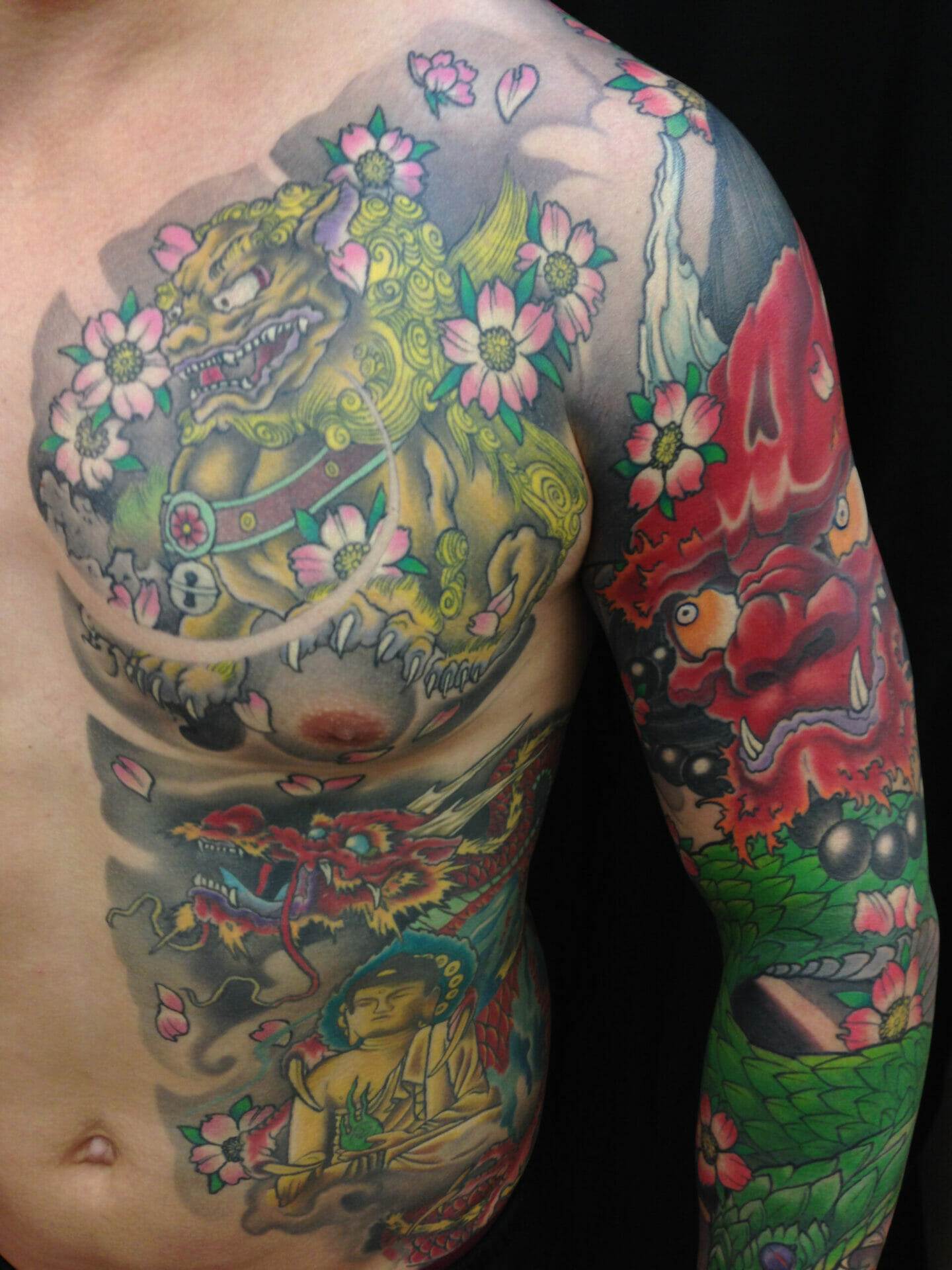
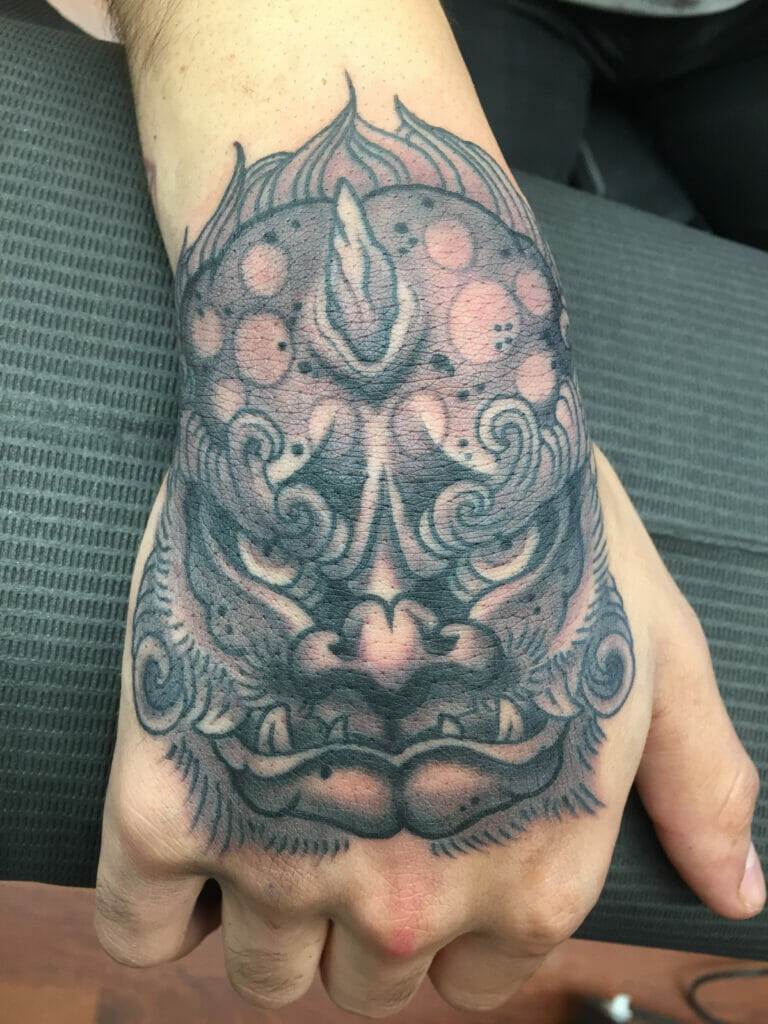
There are several different styles of Japanese tattoos, each with its own unique characteristics. Traditional Japanese tattoos often feature bold lines, vibrant colors, and intricate designs. Some popular styles include irezumi (full body tattoos), tebori (hand-poked tattoos), and horimono (large-scale tattoos).
Traditional Japanese tattooing is deeply rooted in the country’s history and culture. It is seen as a form of art that pays homage to Japan’s rich heritage and traditions. Many tattoo artists in Japan still adhere to traditional techniques and styles, ensuring that the art form continues to thrive.
The Symbolism of Japanese Tattoos: Understanding the Meanings
Symbolism plays a significant role in Japanese tattoos, with each design carrying its own unique meaning. Understanding the meanings behind Japanese tattoos is essential to fully appreciate their significance.
In Japanese culture, certain symbols and motifs hold specific meanings. For example, dragons are often associated with strength, wisdom, and protection. Koi fish symbolize perseverance and determination, while cherry blossoms represent the transient nature of life. Geisha tattoos are often seen as a symbol of beauty and grace, while samurai tattoos pay tribute to the warrior spirit.
It is important to note that the meanings of Japanese tattoos can vary depending on the cultural context. For example, a dragon tattoo may have different connotations in Western culture compared to Japanese culture. Therefore, it is crucial to approach Japanese tattoos with respect and understanding.
The Significance of Dragons in Japanese Tattoos
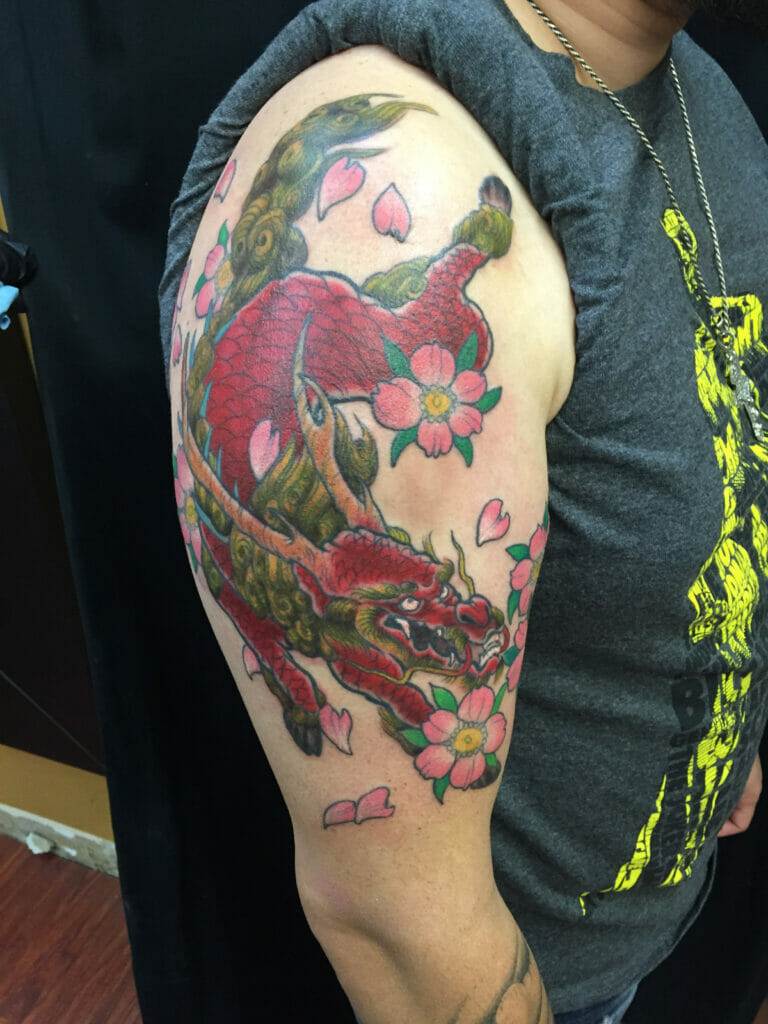
Dragons hold a prominent place in Japanese mythology and are often depicted in Japanese tattoos. In Japanese culture, dragons are seen as powerful and benevolent creatures that bring good fortune and protection.
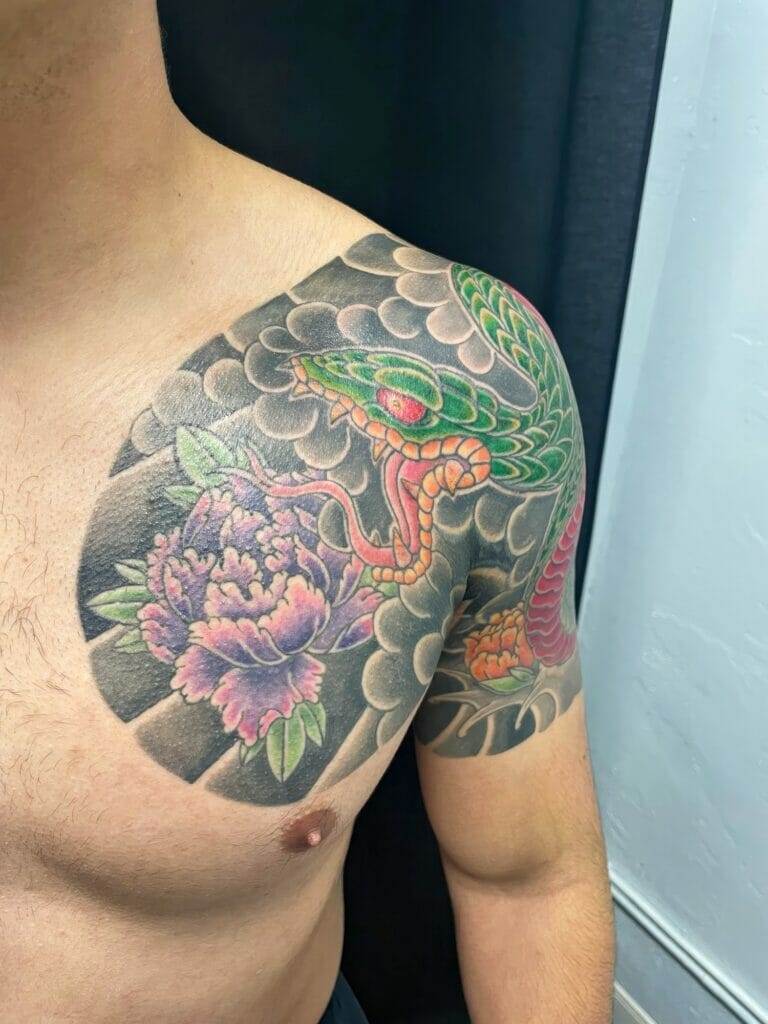
There are several different styles of dragon tattoos in Japanese art. Traditional Japanese dragon tattoos often feature long, serpentine bodies with scales and sharp claws. These dragons are typically depicted with a fierce expression and are often surrounded by clouds or waves.
In recent years, there has been a rise in more contemporary styles of dragon tattoos, such as neo-traditional or watercolor designs. These styles incorporate elements of traditional Japanese tattooing while adding a modern twist.
The Role of Koi Fish in Japanese Tattoo Art
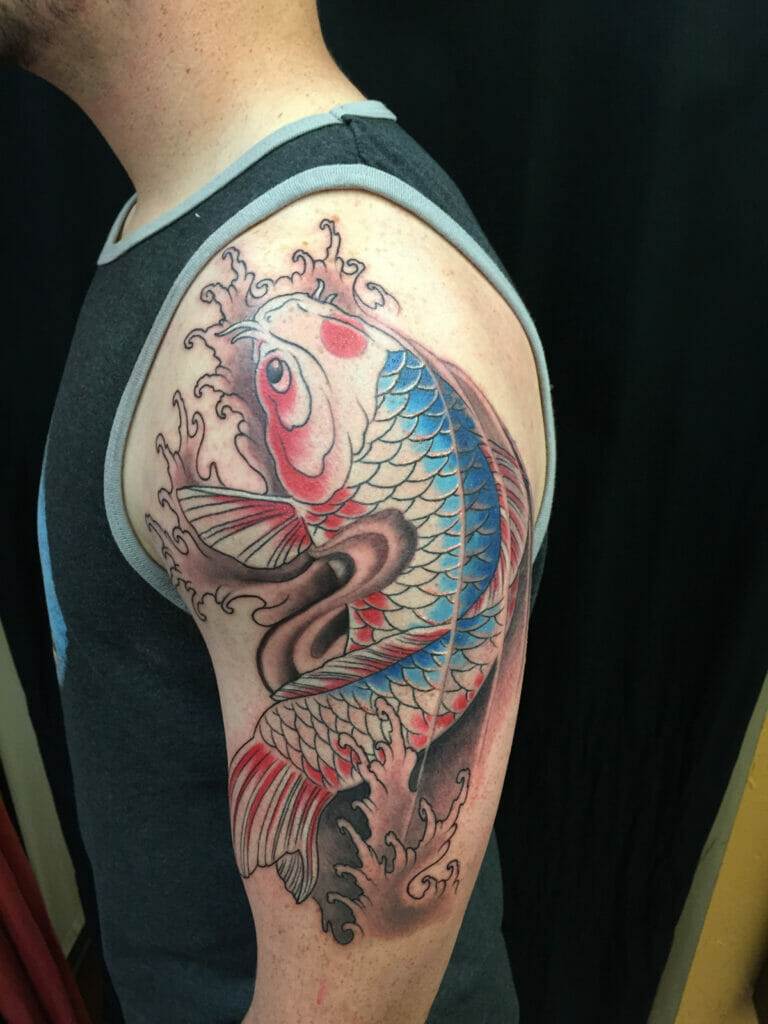
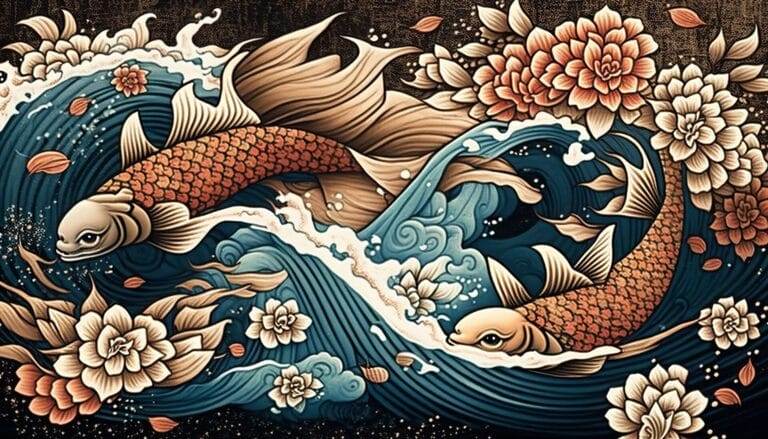
Koi fish are another popular motif in Japanese tattoo art. In Japanese culture, koi fish symbolize perseverance, determination, and the ability to overcome obstacles. They are often associated with the idea of transformation and personal growth.
Koi fish tattoos can be depicted in various colors, each carrying its own meaning. A black koi fish represents overcoming adversity, while a red koi fish symbolizes love and passion. A blue koi fish is associated with tranquility and calmness, while a yellow koi fish represents wealth and prosperity.
The color and direction of the koi fish in a tattoo can also hold significance. For example, a koi fish swimming upstream represents perseverance and determination, while a koi fish swimming downstream symbolizes success and achievement.
The Importance of Cherry Blossoms in Japanese Tattoos
Cherry blossoms, or sakura, hold great significance in Japanese culture. They are a symbol of the transient nature of life and are often associated with beauty, renewal, and the fleeting nature of existence.
Cherry blossom tattoos are often depicted in delicate and intricate designs, with soft pink petals and branches. They are often combined with other elements such as birds or butterflies to create a sense of movement and life.
There are several different styles of cherry blossom tattoos, ranging from traditional Japanese designs to more contemporary interpretations. Traditional cherry blossom tattoos often feature bold lines and vibrant colors, while more modern designs may incorporate watercolor techniques or minimalist aesthetics.
The Meaning of Samurai Tattoos: A Tribute to Warriors
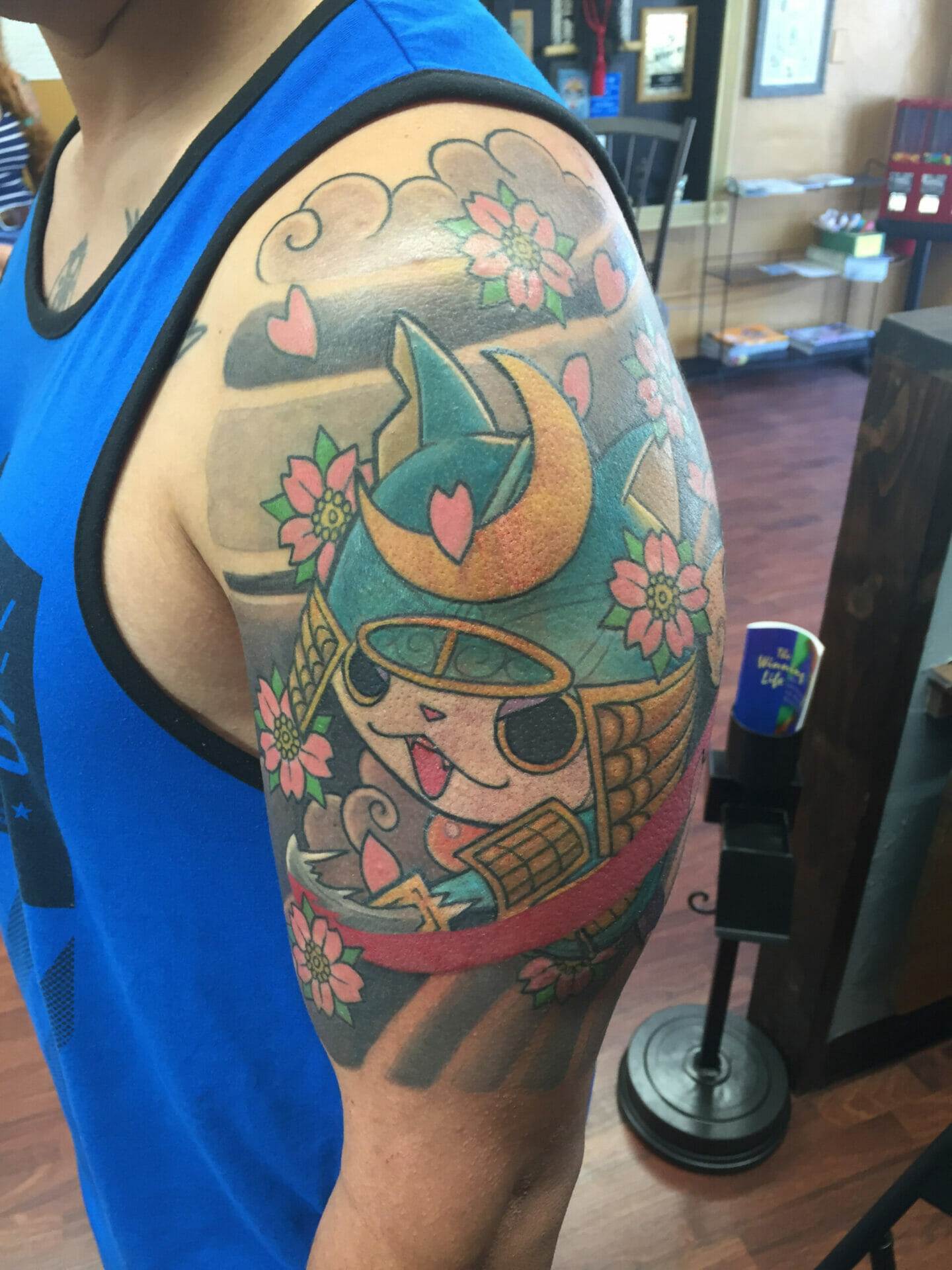
Samurai tattoos pay tribute to the warrior class that played a significant role in Japanese history. The samurai were known for their loyalty, honor, and martial skills, and their legacy is still revered in Japan today.
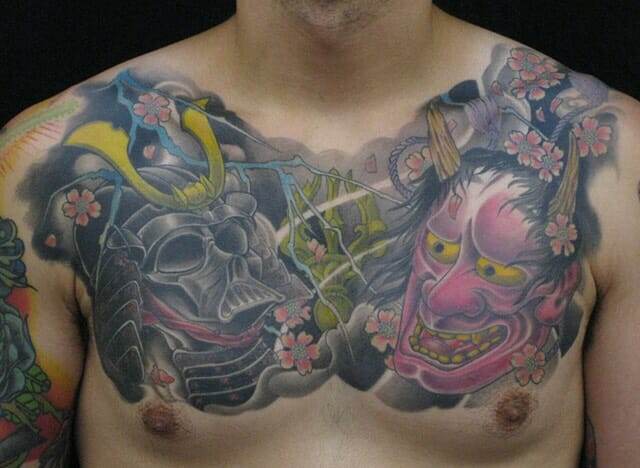
Samurai tattoos often depict warriors in full armor, wielding swords or other weapons. These tattoos are often highly detailed and intricate, with each element carrying its own symbolic meaning. For example, a cherry blossom may represent the transient nature of life, while a dragon may symbolize strength and protection.
There are several different styles of samurai tattoos, ranging from traditional Japanese designs to more contemporary interpretations. Traditional samurai tattoos often feature bold lines and vibrant colors, while more modern designs may incorporate elements of realism or abstract art.
The Significance of Geisha Tattoos in Japanese Culture
Geisha tattoos are another popular motif in Japanese tattoo art. Geisha are traditional female entertainers who are skilled in various arts such as music, dance, and conversation. They are often seen as symbols of beauty, grace, and elegance.
Geisha tattoos often depict women dressed in traditional kimono, with elaborate hairstyles and makeup. These tattoos are often highly detailed and intricate, with each element carrying its own symbolic meaning. For example, a fan may represent femininity and grace, while a cherry blossom may symbolize the transient nature of life.
There are several different styles of geisha tattoos, ranging from traditional Japanese designs to more contemporary interpretations. Traditional geisha tattoos often feature bold lines and vibrant colors, while more modern designs may incorporate elements of realism or abstract art.
The Role of Hannya Masks in Japanese Tattoo Art
Hannya masks are a popular motif in Japanese tattoo art. Hannya masks represent female demons or vengeful spirits and are often associated with jealousy, rage, and obsession.
Hannya mask tattoos often depict a woman with sharp fangs, bulging eyes, and a twisted expression. These tattoos are often highly detailed and intricate, with each element carrying its own symbolic meaning. For example, the color of the mask may represent different emotions or states of mind.
There are several different styles of hannya mask tattoos, ranging from traditional Japanese designs to more contemporary interpretations. Traditional hannya mask tattoos often feature bold lines and vibrant colors, while more modern designs may incorporate elements of realism or abstract art.
The Symbolism of Phoenix Tattoos in Japanese Mythology
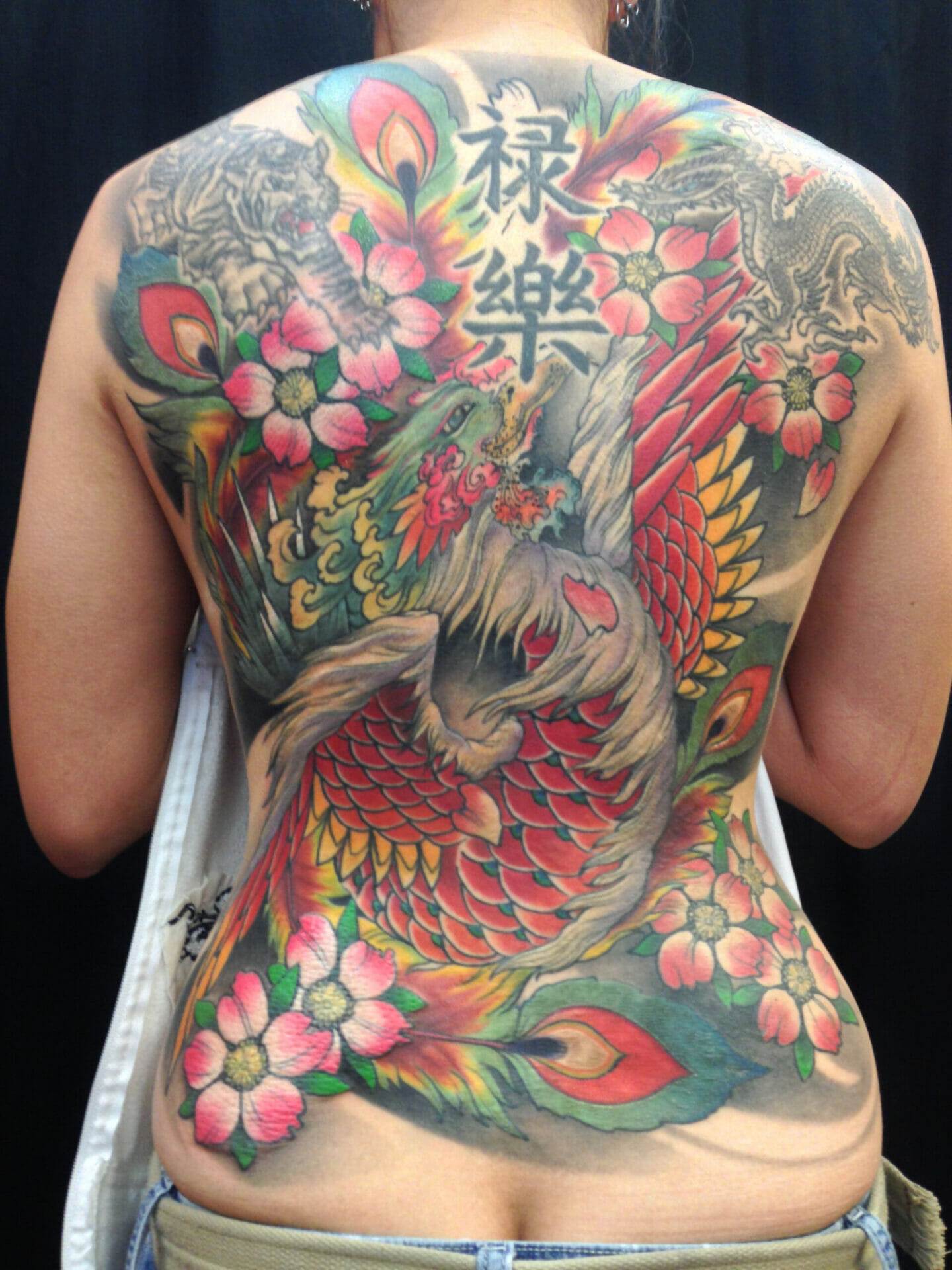
The phoenix is a mythical bird that holds great significance in Japanese mythology. It is often associated with rebirth, renewal, and immortality.
Phoenix tattoos often depict a bird with vibrant feathers and a fiery tail. These tattoos are often highly detailed and intricate, with each element carrying its own symbolic meaning. For example, the flames may represent transformation or the cycle of life and death.
There are several different styles of phoenix tattoos, ranging from traditional Japanese designs to more contemporary interpretations. Traditional phoenix tattoos often feature bold lines and vibrant colors, while more modern designs may incorporate elements of realism or abstract art.
The Future of Japanese Tattoos: Modern Trends and Innovations
Japanese tattoos have evolved significantly over the years, and they continue to be a popular form of self-expression in modern times. With advancements in technology and techniques, tattoo artists are pushing the boundaries of what is possible in Japanese tattooing.
One of the trends in Japanese tattooing is the fusion of traditional Japanese designs with other styles, such as realism or abstract art. This allows for a more personalized and unique tattoo that reflects the individual’s personality and interests.
Another trend in Japanese tattooing is the use of innovative techniques and materials. For example, some tattoo artists are experimenting with UV ink, which is invisible under normal light but glows under blacklight. This allows for a hidden or secret tattoo that can only be seen under certain conditions.
The future of Japanese tattoos is bright, with new trends and innovations constantly emerging. As long as there is a passion for this ancient art form, Japanese tattoos will continue to evolve and captivate people around the world.
Conclusion
Japanese tattoos have a long and storied history that dates back thousands of years. From their origins in the Jomon period to their flourishing during the Edo period, Japanese tattoos have evolved into a highly skilled art form that is deeply rooted in Japan’s history and culture.
The art of irezumi involves meticulous techniques and styles that require years of training and practice. Traditional Japanese tattoos often feature bold lines, vibrant colors, and intricate designs. Symbolism plays a significant role in Japanese tattoos, with each design carrying its own unique meaning.
Dragons, koi fish, cherry blossoms, samurai, geisha, hannya masks, and phoenixes are just a few examples of the motifs that hold great significance in Japanese tattoo art. Each of these symbols carries its own symbolic meaning and can be depicted in various styles.
As Japanese tattoos continue to evolve in modern times, new trends and innovations are emerging. Tattoo artists are pushing the boundaries of what is possible in Japanese tattooing, incorporating elements of other styles and experimenting with new techniques and materials.
In conclusion, Japanese tattoos are a beautiful and meaningful form of self-expression that reflects Japan’s rich history and culture. Understanding the cultural context and symbolism behind these tattoos is essential to fully appreciate their significance. As the art form continues to evolve, Japanese tattoos will undoubtedly remain a timeless and captivating art form.