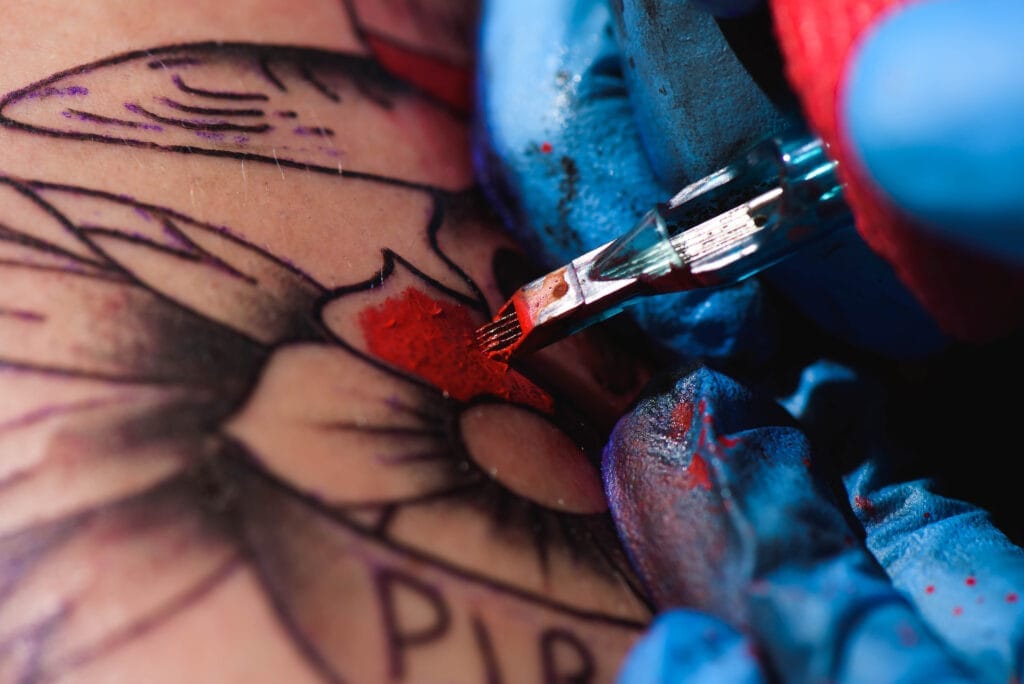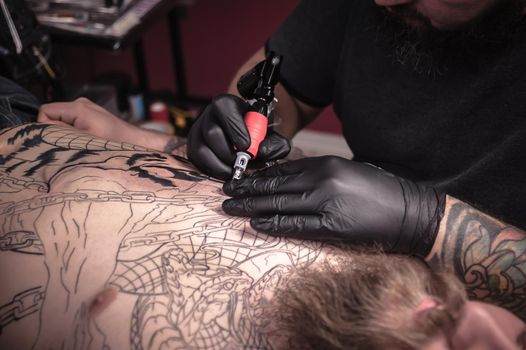
The healing process of a tattoo is a critical phase that requires attention and care. When a tattoo is freshly inked, the skin undergoes a series of changes as it begins to heal. Initially, the area may appear red and swollen, which is a natural response to the trauma inflicted during the tattooing process.
This inflammation is typically accompanied by some tenderness and a slight oozing of plasma, which is the body’s way of protecting the wound and promoting healing. Understanding this initial phase is essential for anyone who has recently gotten a tattoo, as it sets the stage for how one should approach physical activities during recovery. As the days progress, the tattoo will begin to scab over, and the skin will start to flake.
This is a normal part of the healing process, indicating that the body is regenerating new skin cells. However, it is crucial to resist the urge to pick at scabs or scratch the area, as this can lead to complications such as scarring or infection. The entire healing process can take anywhere from two weeks to several months, depending on various factors such as skin type, tattoo size, and aftercare practices.
Being aware of these stages helps individuals make informed decisions about their activities, particularly when it comes to exercise and physical exertion.



Key Takeaways
- Understanding the healing process is crucial for planning a safe workout routine after getting a tattoo.
- Low-impact cardio options like walking or swimming can help maintain fitness without compromising the healing tattoo.
- Strength training modifications may be necessary to avoid putting direct pressure on the tattooed area.
- Flexibility and mobility exercises can help prevent stiffness and promote healing in the tattooed area.
- Avoiding direct pressure on the tattooed area during workouts is essential to prevent damage to the healing tattoo.
Low-Impact Cardio Options
When it comes to maintaining fitness after getting a tattoo, low-impact cardio options are an excellent choice. These activities allow individuals to keep their heart rate up without putting undue stress on the healing skin. Walking is one of the simplest yet most effective forms of low-impact cardio.
It can be easily adjusted in terms of pace and duration, making it suitable for anyone recovering from a tattoo. A leisurely stroll not only promotes circulation but also aids in overall well-being without risking irritation to the tattooed area. Another great option is cycling, whether on a stationary bike or outdoors.
Cycling provides an excellent cardiovascular workout while minimizing impact on the joints and skin. It allows for a controlled environment where one can monitor their exertion levels closely. Swimming can also be considered, but caution should be exercised regarding exposure to chlorinated water or public pools until the tattoo has fully healed.
Engaging in these low-impact activities ensures that individuals can stay active while allowing their tattoos the necessary time to heal properly.
Strength Training Modifications
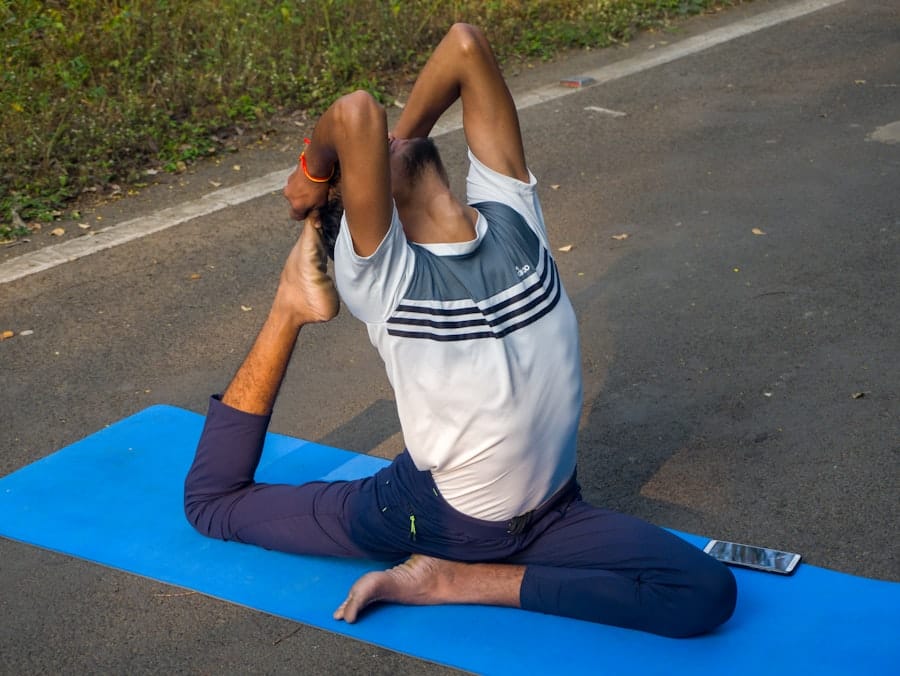
Strength training can be more challenging after getting a tattoo, especially if it is located in an area that is frequently engaged during workouts. However, with some modifications, individuals can continue their strength training routines without compromising their tattoos’ integrity. One effective approach is to focus on exercises that target different muscle groups while avoiding direct strain on the tattooed area.
For instance, if the tattoo is on the arm, one might opt for lower body exercises such as squats or lunges that do not involve upper body movement. Additionally, using resistance bands or lighter weights can help maintain strength without overexerting the healing skin. Bodyweight exercises like push-ups or planks can be modified to reduce pressure on the tattooed area by adjusting body positioning or using supports.
It’s essential to listen to one’s body during this time; if any movement causes discomfort or irritation to the tattoo, it’s best to stop and reassess. By making these adjustments, individuals can continue their strength training journey while ensuring their tattoos heal properly.
Flexibility and Mobility Exercises
Incorporating flexibility and mobility exercises into a post-tattoo routine can be beneficial for overall recovery and well-being. These exercises help maintain range of motion and prevent stiffness, which can be particularly important if certain areas of the body are restricted due to healing tattoos. Gentle stretching can be performed on non-tattooed areas while avoiding any movements that might pull or strain the healing skin.
This approach allows individuals to stay limber without risking damage to their new ink. Yoga is another excellent option for promoting flexibility and mobility during this period. Many yoga poses can be adapted to accommodate healing tattoos by focusing on breath work and gentle movements that do not involve direct pressure on the affected area.
Practicing mindfulness through yoga can also aid in relaxation and stress relief, which are essential components of the healing process. By prioritizing flexibility and mobility exercises, individuals can support their body’s recovery while maintaining a sense of physical activity.
Avoiding Direct Pressure on the Tattooed Area
One of the most crucial aspects of caring for a new tattoo during physical activity is avoiding direct pressure on the tattooed area. This means being mindful of how clothing fits and how movements are executed during workouts. Tight clothing or equipment that rubs against the tattoo can cause irritation and disrupt the healing process.
Opting for loose-fitting attire made from breathable fabrics can help minimize friction and allow the skin to breathe. In addition to clothing considerations, individuals should also be cautious about how they position themselves during exercises. For example, if a tattoo is located on the back or shoulder, certain weightlifting techniques may need to be adjusted to prevent pressure on those areas.
Using supportive equipment like pads or towels can provide an extra layer of protection while still allowing for effective workouts. By being conscious of direct pressure on the tattooed area, individuals can significantly reduce the risk of complications during their recovery.
Hygiene and Care Tips During Workouts
Maintaining proper hygiene during workouts is essential for anyone with a new tattoo. Sweat can introduce bacteria to the healing skin, potentially leading to infections or other complications. To mitigate this risk, it’s important to shower before and after workouts, ensuring that any sweat or dirt is washed away promptly.
Using a gentle cleanser that is free from harsh chemicals will help keep both the skin and tattoo clean without causing irritation. Additionally, individuals should consider using clean towels during workouts to avoid transferring bacteria from gym equipment or surfaces onto their tattoos. If possible, bringing personal workout gear such as mats or resistance bands can further reduce exposure to germs in public spaces.
After exercising, applying a thin layer of fragrance-free moisturizer or specialized tattoo aftercare product can help keep the skin hydrated and promote healing. By prioritizing hygiene and care during workouts, individuals can protect their tattoos while staying active.
Monitoring for Signs of Infection
Being vigilant about monitoring for signs of infection is crucial during the healing process of a new tattoo. Common indicators include increased redness around the tattooed area, persistent swelling, warmth to the touch, or any unusual discharge that may have an unpleasant odor. If any of these symptoms arise, it’s essential to seek medical advice promptly to address potential complications before they escalate.
In addition to these physical signs, individuals should also pay attention to how they feel overall. If there are any systemic symptoms such as fever or chills accompanying localized symptoms, it may indicate a more serious infection that requires immediate attention. Regularly checking in with oneself and being proactive about any changes in condition can make a significant difference in ensuring a smooth recovery process for a new tattoo.
Consulting with a Professional Trainer or Tattoo Artist
Consulting with professionals such as trainers or tattoo artists can provide valuable insights into managing fitness routines post-tattooing effectively. A professional trainer can offer tailored advice on modifying workouts based on individual needs and specific tattoo locations. They can help create a balanced fitness plan that accommodates healing while still allowing for progress in strength and endurance.
Similarly, speaking with a tattoo artist about aftercare practices specific to one’s tattoo can provide additional guidance on how to protect and care for the ink during physical activities. Tattoo artists often have extensive experience with various skin types and healing processes, making them an excellent resource for personalized advice. By leveraging professional expertise, individuals can navigate their fitness journeys confidently while ensuring their tattoos heal beautifully and without complications.
FAQs
What are tattoo-friendly workout routines during the healing process?
During the healing process of a new tattoo, it is important to avoid activities that may cause excessive sweating, friction, or direct pressure on the tattooed area. Tattoo-friendly workout routines during this time include low-impact exercises such as walking, light yoga, and gentle stretching.
How long should I wait before engaging in intense workouts after getting a tattoo?
It is recommended to wait at least 2-3 weeks before engaging in intense workouts after getting a tattoo. This allows the tattoo to properly heal and reduces the risk of damaging the tattooed area.
What types of workouts should be avoided during the tattoo healing process?
High-impact activities such as running, weightlifting, and contact sports should be avoided during the tattoo healing process. These activities can cause excessive sweating, friction, and direct pressure on the tattooed area, which may hinder the healing process and affect the quality of the tattoo.
Are there any specific precautions to take when working out with a new tattoo?
When working out with a new tattoo, it is important to keep the tattooed area clean and dry. Wearing loose, breathable clothing can help prevent excessive sweating and friction on the tattoo. It is also important to avoid direct sun exposure and apply a high SPF sunscreen if the tattooed area will be exposed to sunlight during outdoor workouts.