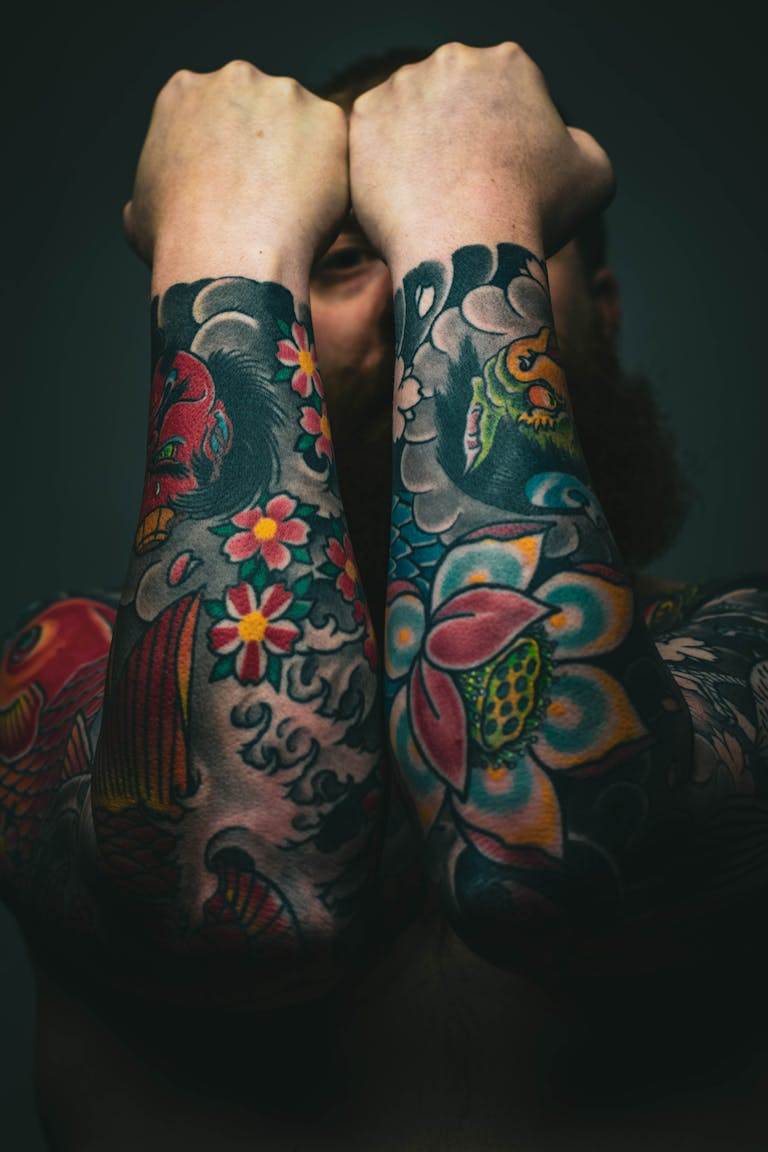
When it comes to dealing with an unwanted tattoo, individuals often find themselves at a crossroads between two primary options: tattoo removal and cover-up. Each choice presents its own set of advantages and challenges, making it essential for anyone considering these alternatives to fully understand what each entails. Tattoo removal typically involves various techniques aimed at eliminating the ink from the skin, while a cover-up involves designing a new tattoo that conceals the existing one.
Both options can be effective, but they cater to different needs and preferences. Tattoo removal is often sought by those who have experienced a change in personal circumstances, such as a breakup or a shift in identity. The desire to erase a permanent mark can stem from regret or simply a desire for a fresh start.
On the other hand, cover-ups appeal to individuals who may still appreciate the art of tattooing but wish to transform an existing piece into something more meaningful or aesthetically pleasing. Understanding these options is crucial for making an informed decision that aligns with one’s personal goals and emotional state.
Key Takeaways
- Understanding the Options: Tattoo removal and cover-up are two main options for dealing with unwanted tattoos.
- Factors to Consider: Cost, pain, and time are important factors to consider when deciding between tattoo removal and cover-up.
- Tattoo Removal: Methods and Risks: Laser removal and surgical excision are common methods with potential risks such as scarring and infection.
- Cover-Up: Design and Placement Considerations: Choosing the right design and placement is crucial for a successful cover-up tattoo.
- Consultation: Discussing Options with a Professional: It’s important to consult with a professional to understand the best option for your specific tattoo and skin type.
- Long-Term Considerations: Fading and Regret: Consider the possibility of fading and potential regret when deciding on tattoo removal or cover-up.
- Aftercare: Tattoo Removal and Cover-Up Healing Process: Proper aftercare is essential for both tattoo removal and cover-up to ensure optimal healing.
- Making the Decision: Which Option is Right for You?: Ultimately, the decision between tattoo removal and cover-up depends on individual preferences, skin type, and the specific tattoo.
Factors to Consider: Cost, Pain, and Time
When weighing the options of tattoo removal versus cover-up, several factors come into play, including cost, pain, and time commitment. The financial aspect can vary significantly between the two choices. Tattoo removal can be a lengthy process requiring multiple sessions, each of which can be costly.
Depending on the size and complexity of the tattoo, as well as the method used for removal, expenses can accumulate quickly. Conversely, a cover-up may also involve considerable costs, particularly if the new design is intricate or requires a skilled artist. It’s essential to budget accordingly and consider not just the immediate costs but also any potential follow-up sessions.
Pain is another critical factor to consider when deciding between removal and cover-up. Tattoo removal methods, such as laser treatments, can be uncomfortable and may cause temporary side effects like swelling or redness. The sensation during removal can vary based on individual pain tolerance and the specific technique employed.
In contrast, getting a cover-up tattoo may also involve discomfort, but many find it more manageable since it is often done in a single session rather than multiple visits. Understanding the pain levels associated with each option can help individuals prepare mentally and physically for the process.
Tattoo Removal: Methods and Risks
Tattoo removal encompasses several methods, each with its own set of risks and benefits. The most common technique is laser removal, which uses concentrated light beams to break down ink particles in the skin. This method is generally considered effective for various ink colors and types but may require multiple sessions for complete removal.
Other methods include surgical excision, where the tattooed skin is cut away, and dermabrasion, which involves sanding down the skin’s surface. Each method carries its own risks, such as scarring or changes in skin texture. It’s important to note that while tattoo removal can be successful, it is not always guaranteed to achieve complete ink eradication.
Some colors are more resistant to removal than others, and factors like skin type and tattoo age can influence results. Additionally, individuals should be aware of potential side effects, including pain during the procedure and post-treatment complications like infection or hyperpigmentation. Consulting with a qualified professional at Redemption Ink in San Diego can provide valuable insights into which method may be most suitable based on individual circumstances.
Cover-Up: Design and Placement Considerations
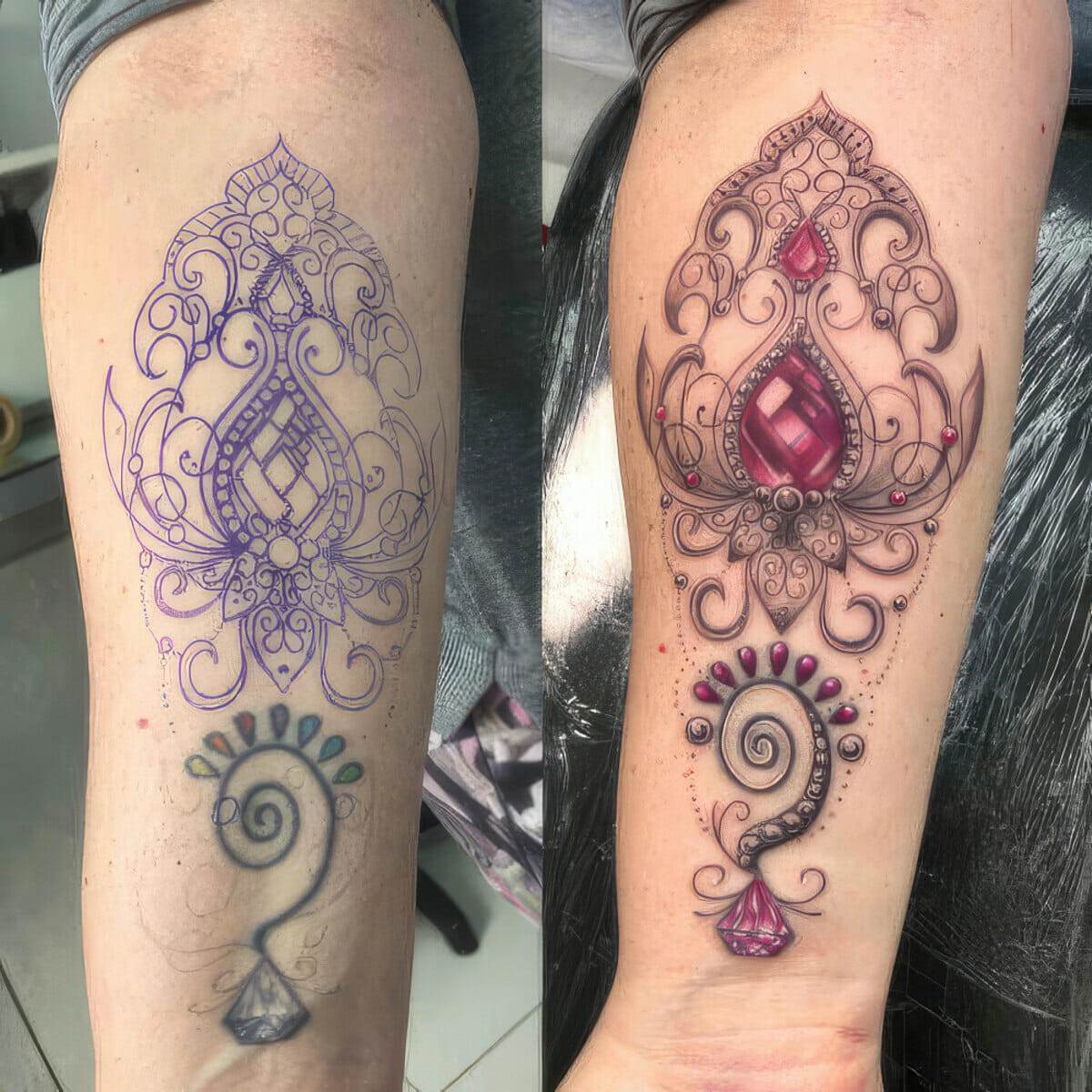
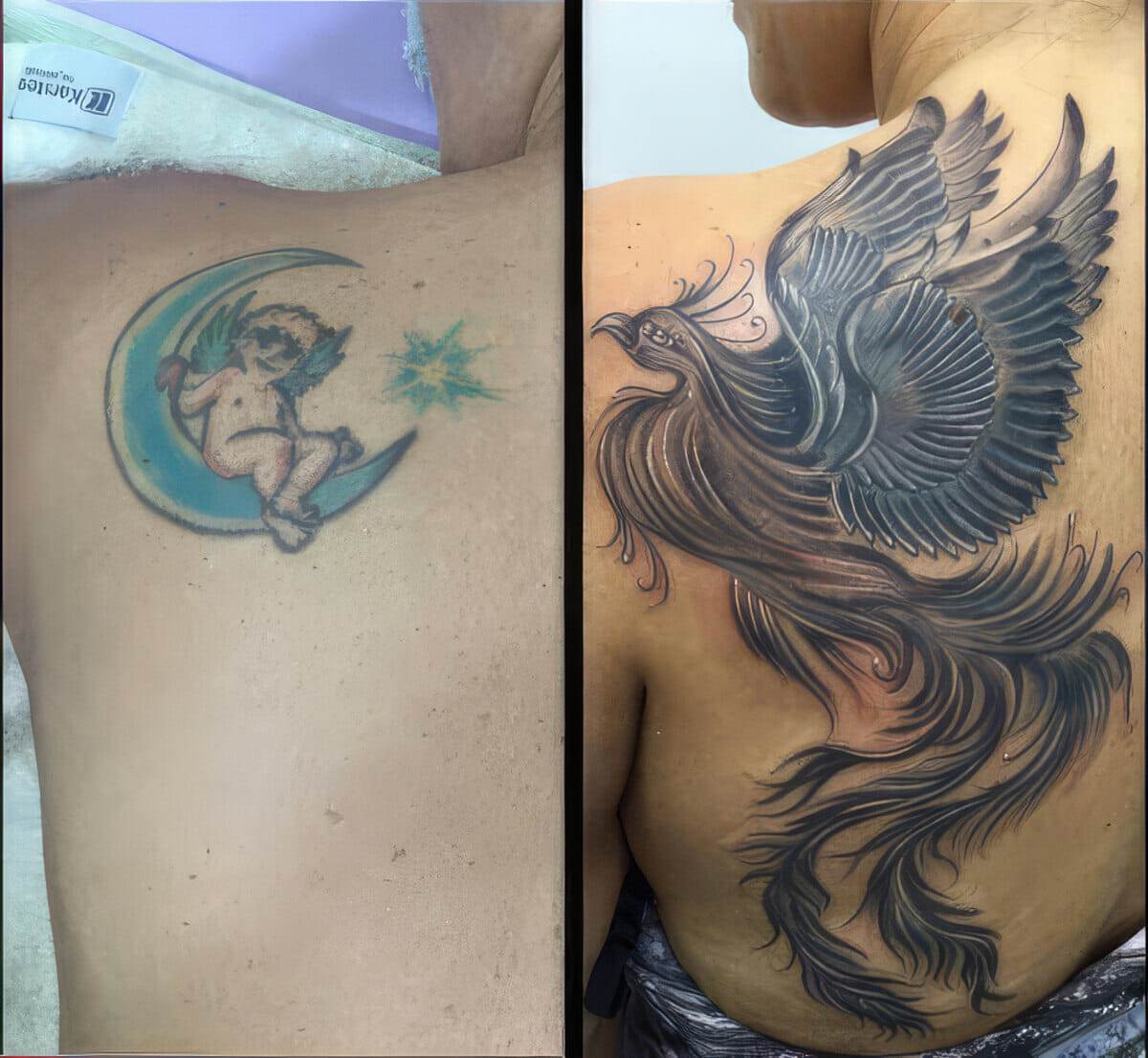
Choosing to cover up an existing tattoo involves thoughtful consideration of design and placement. A successful cover-up requires not only creativity but also an understanding of how to effectively mask the original tattoo while creating a new piece that resonates with the individual’s current aesthetic or emotional state. The new design should ideally incorporate elements that blend well with the existing ink, allowing for a seamless transition from old to new.
Placement is another crucial factor in the cover-up process. Depending on the size and location of the original tattoo, certain areas may be more suitable for a new design than others. For instance, larger tattoos may require expansive designs that can effectively obscure the old ink, while smaller tattoos might be easily integrated into a more intricate piece.
Collaborating with an experienced artist at Redemption Ink can help ensure that both design and placement are optimized for the best possible outcome.
Consultation: Discussing Options with a Professional
Before making any decisions regarding tattoo removal or cover-up, it is essential to consult with a professional who specializes in these procedures. A consultation provides an opportunity to discuss individual goals, concerns, and expectations in detail. During this meeting, clients can gain insights into the various methods available for both removal and cover-up, as well as receive personalized recommendations based on their unique circumstances.
At Redemption Ink in San Diego, professionals are equipped to guide clients through this decision-making process. They can assess the existing tattoo’s characteristics and discuss potential designs for a cover-up or outline the steps involved in removal. This collaborative approach ensures that clients feel informed and empowered to make choices that align with their desires while also considering practical aspects like healing time and aftercare.
Long-Term Considerations: Fading and Regret
Long-term considerations play a significant role in deciding between tattoo removal and cover-up. For those opting for removal, it’s important to recognize that while significant fading can occur over time, complete erasure may not always be achievable. Individuals should weigh their expectations against realistic outcomes to avoid future disappointment.
Additionally, some may experience regret after undergoing removal if they find themselves missing the original tattoo or feeling dissatisfied with the results. On the other hand, cover-ups also come with their own set of long-term considerations. While they can effectively conceal unwanted tattoos, there is always a possibility that the new design may not age well or could lead to future regrets if tastes change again.
It’s crucial for individuals to think about how they might feel about their new tattoo years down the line and whether it will continue to hold personal significance.
Aftercare: Tattoo Removal and Cover-Up Healing Process
Regardless of whether one chooses tattoo removal or a cover-up, proper aftercare is vital for ensuring optimal healing and results. After tattoo removal procedures like laser treatments, individuals must follow specific guidelines to minimize risks of infection and promote healing. This may include keeping the area clean, avoiding sun exposure, and applying recommended ointments or creams as directed by professionals.
For cover-up tattoos, aftercare is equally important to ensure that the new design heals beautifully without complications. Clients should follow their artist’s instructions closely, which typically involve keeping the area moisturized and protected from excessive moisture or friction during the initial healing phase. Adhering to these aftercare protocols not only aids in recovery but also enhances the longevity of the new artwork.
Making the Decision: Which Option is Right for You?
Ultimately, deciding between tattoo removal and cover-up comes down to personal preference and individual circumstances. Those who feel strongly about erasing their past may find tattoo removal to be the most liberating option, allowing them to start anew without any lingering reminders of previous choices. Conversely, individuals who still appreciate the art form but wish to transform their existing tattoos may find that a well-executed cover-up provides both satisfaction and closure.
In making this decision, it’s essential to consider all factors discussed—costs, pain levels, long-term implications, and aftercare requirements—while also seeking guidance from professionals at Redemption Ink in San Diego. By taking the time to evaluate personal feelings about their tattoos and exploring both options thoroughly, individuals can arrive at a choice that aligns with their current identity and future aspirations.
FAQs
What are the options for dealing with an unwanted tattoo?
The two main options for dealing with an unwanted tattoo are tattoo removal and tattoo cover-up.
What is tattoo removal?
Tattoo removal is the process of using laser technology to break up the ink particles in the skin so that the body can naturally remove them.
What is tattoo cover-up?
Tattoo cover-up involves getting a new tattoo that is designed to cover the existing unwanted tattoo.
What are the factors to consider when deciding between tattoo removal and cover-up?
Factors to consider include the size and color of the existing tattoo, the desired outcome, the cost, and the pain tolerance of the individual.
What are the advantages of tattoo removal?
Tattoo removal completely eliminates the unwanted tattoo, leaving the skin clear. It is also a good option for those who want to completely get rid of the tattoo.
What are the advantages of tattoo cover-up?
Tattoo cover-up allows for a new design to be created over the existing tattoo, providing a fresh look without completely removing the old tattoo.
What are the disadvantages of tattoo removal?
Tattoo removal can be a lengthy and expensive process, and it may not completely remove the tattoo, leaving behind some scarring.
What are the disadvantages of tattoo cover-up?
Tattoo cover-up may not be possible for all tattoos, especially if they are large or dark. It also requires finding a skilled tattoo artist who can effectively cover the existing tattoo.