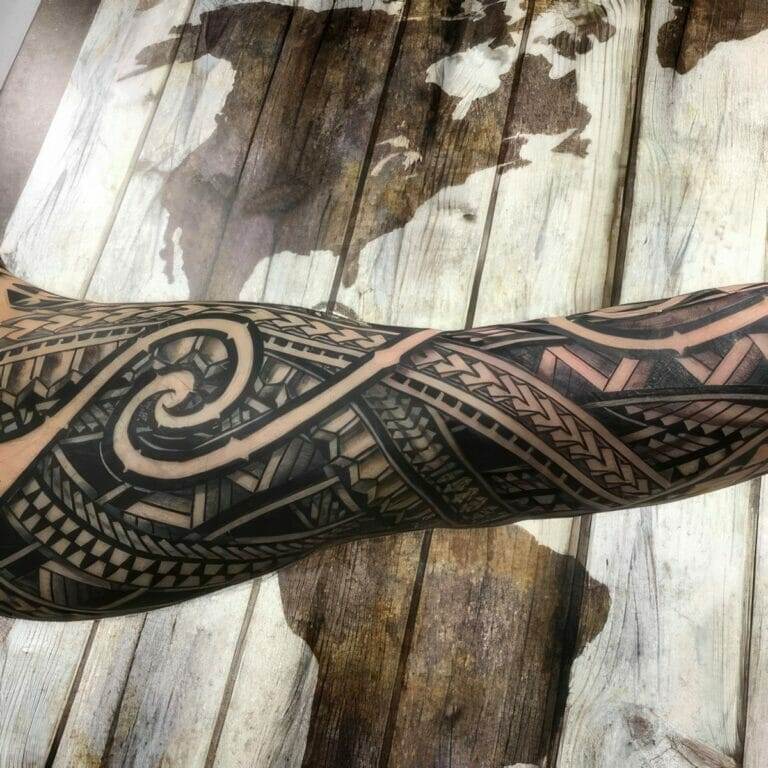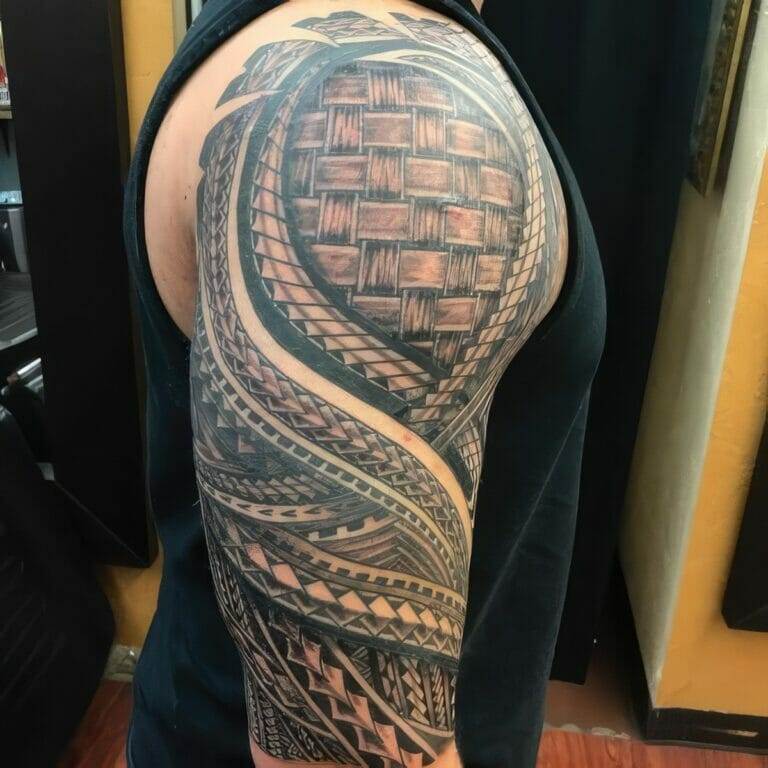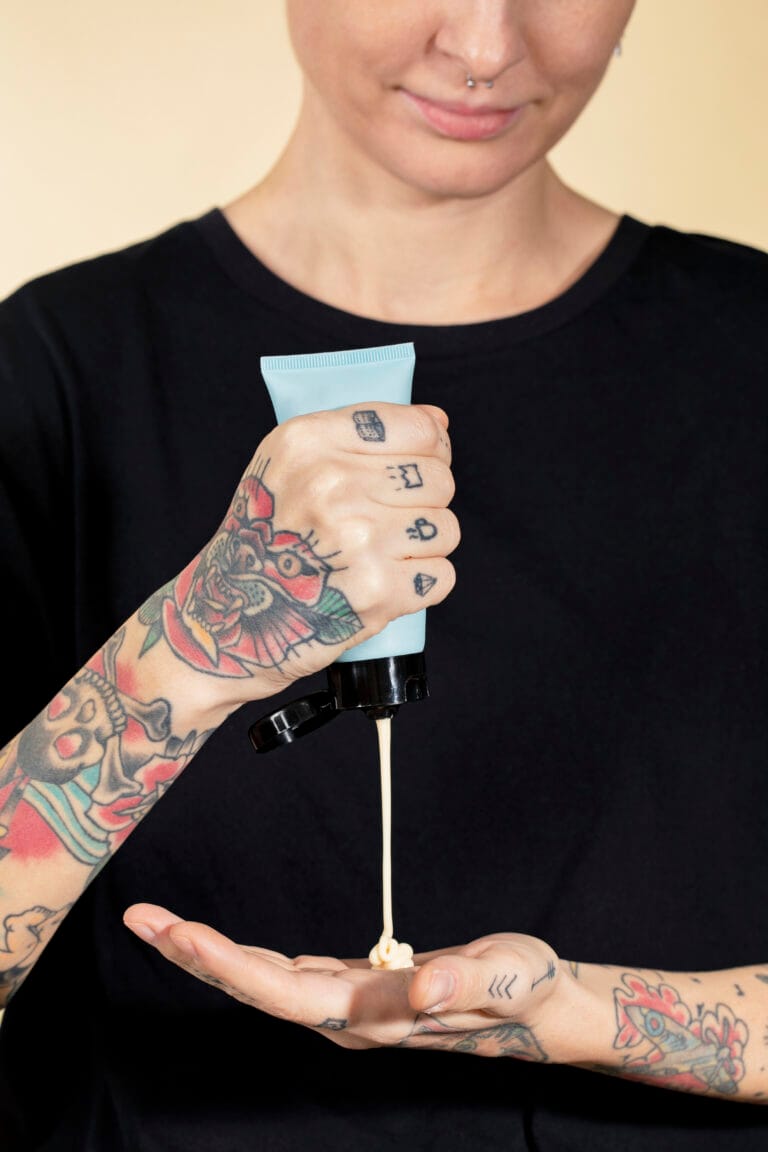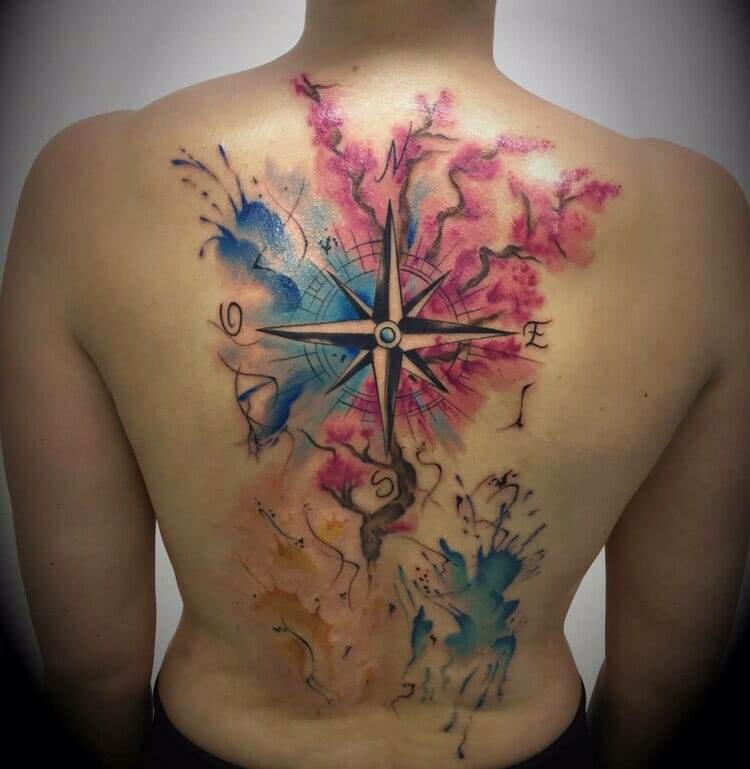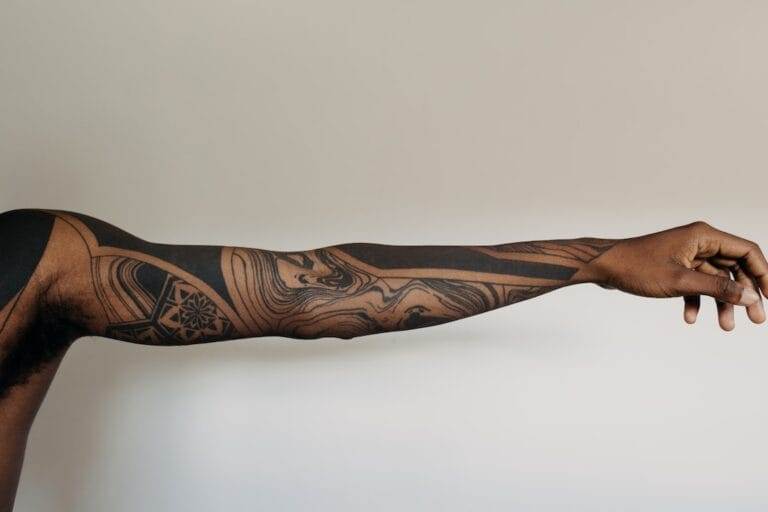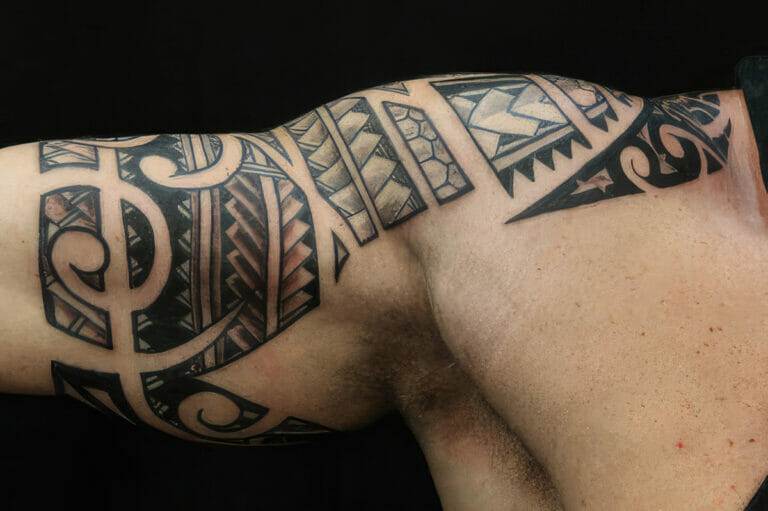

Tattooing darker skin tones presents unique challenges that both artists and clients must navigate. One of the primary concerns is the visibility of the ink against the skin. Darker skin can absorb certain ink colors, making them appear muted or less vibrant than they would on lighter skin.
This phenomenon can lead to a misunderstanding of how a design will ultimately look once it is healed. Artists must be particularly mindful of the contrast between the ink and the skin tone to ensure that the tattoo stands out as intended. Moreover, the healing process can differ for individuals with darker skin.
Hyperpigmentation, a condition where patches of skin become darker than the surrounding area, can occur more frequently in these individuals. This can affect how a tattoo appears over time, as the ink may blend into the surrounding skin in ways that are not anticipated. Understanding these challenges is crucial for both the artist and the client, as it sets the foundation for a successful tattoo experience.
Key Takeaways
- Understanding the unique challenges of tattooing darker skin tones is crucial for achieving the best results.
- Choosing the right ink colors for darker skin tones requires careful consideration of how the colors will appear on the skin.
- When considering tattoo placement on darker skin, factors such as skin texture and potential stretching should be taken into account.
- Proper aftercare is essential for maintaining the vibrancy and longevity of tattoos on darker skin tones.
- Finding a tattoo artist experienced in working with darker skin tones is key to ensuring a successful and beautiful tattoo.
Choosing the Right Ink Colors for Darker Skin Tones
Selecting the appropriate ink colors is vital when tattooing darker skin tones. Artists often recommend using brighter and bolder colors that can create a striking contrast against the skin. Shades like white, yellow, and vibrant reds can stand out more effectively than darker hues, which may get lost in the richness of the skin tone.
Additionally, some colors may require multiple layers to achieve the desired vibrancy, which can complicate the tattooing process. It is also essential to consider how different colors will age over time. Some inks may fade more quickly on darker skin, leading to a need for touch-ups sooner than anticipated.
Therefore, discussing color longevity with your tattoo artist is crucial. They can provide insights into which colors are more likely to maintain their vibrancy and which may require more frequent maintenance. This conversation can help set realistic expectations for how the tattoo will look in the years to come.
Considerations for Tattoo Placement on Darker Skin

Placement of a tattoo on darker skin is another critical factor that can influence its overall appearance and longevity. Certain areas of the body may have different levels of pigmentation or texture, which can affect how a tattoo heals and looks over time. For instance, areas with more friction or movement, such as joints, may experience more fading or distortion than flatter areas of skin.
Additionally, the visibility of a tattoo can vary significantly based on its location. Some clients may prefer tattoos that are easily visible, while others may opt for placements that are more discreet. Understanding how placement affects both aesthetics and healing is essential for achieving a satisfying result.
A skilled artist will take these factors into account when discussing potential locations for your tattoo.
The Importance of Proper Aftercare for Tattoos on Darker Skin Tones
Aftercare is a crucial aspect of ensuring that tattoos heal properly, especially on darker skin tones. Proper aftercare helps prevent complications such as infection or excessive scarring, which can alter the appearance of the tattoo. Following your artist’s aftercare instructions closely is essential for maintaining the integrity of the design and ensuring that it heals beautifully.
For individuals with darker skin, it is particularly important to keep an eye on any changes during the healing process. Hyperpigmentation or other skin reactions may occur, and being vigilant can help address any issues before they become significant problems. Moisturizing regularly and avoiding sun exposure are key components of aftercare that can help preserve both the color and clarity of the tattoo.
Finding a Tattoo Artist Experienced in Working with Darker Skin Tones
Finding a tattoo artist who has experience working with darker skin tones is paramount to achieving a successful outcome. Not all artists are familiar with the nuances involved in tattooing darker skin, so seeking out someone who specializes in this area can make a significant difference. An experienced artist will understand how different inks interact with various skin tones and will be able to recommend designs and colors that will work best.
When searching for an artist, it’s beneficial to review their portfolio to see examples of their work on darker skin. This can provide insight into their skill level and aesthetic style. Additionally, don’t hesitate to ask questions about their experience and approach to tattooing darker skin tones during consultations.
A knowledgeable artist will be open to discussing their techniques and will prioritize your satisfaction throughout the process.
Discussing Design and Color Options with Your Tattoo Artist

Engaging in an open dialogue with your tattoo artist about design and color options is essential for creating a tattoo that resonates with you personally while also being suitable for your skin tone. Artists often have valuable insights into which designs will translate well on darker skin and can suggest modifications to enhance visibility and impact. Collaborating on design elements ensures that your vision aligns with practical considerations.
Color choices should also be part of this discussion. As mentioned earlier, certain colors may work better than others on darker skin tones. Your artist can guide you through selecting shades that will not only look vibrant but also age well over time.
This collaborative approach fosters a sense of trust and ensures that you feel confident in your choices as you move forward with your tattoo.
Addressing Potential Fading and Touch-up Needs for Tattoos on Darker Skin
Fading is a common concern for tattoos on darker skin tones, making it essential to discuss potential touch-up needs with your artist before getting inked. Factors such as sun exposure, skin type, and ink quality can all contribute to how well a tattoo retains its color over time. Understanding these elements allows you to take proactive steps in caring for your tattoo post-application.
Your artist should provide guidance on how often you might need touch-ups based on your specific circumstances. Regular maintenance can help keep your tattoo looking fresh and vibrant, ensuring that it remains a source of pride rather than disappointment. By addressing these concerns upfront, you can enjoy your tattoo without worrying about its longevity.
Celebrating the Beauty and Vibrancy of Tattoos on Darker Skin Tones
Tattoos on darker skin tones offer an opportunity to celebrate individuality and express personal stories through art. The vibrancy of colors against rich skin tones can create stunning visual contrasts that highlight both the artistry of the tattoo and the beauty of the individual wearing it. Embracing this uniqueness allows for a deeper appreciation of body art as a form of self-expression.
Moreover, as society becomes increasingly aware of diversity in beauty standards, tattoos on darker skin are gaining recognition for their aesthetic appeal. This shift encourages more individuals to explore body art without fear or hesitation, fostering a culture where all skin tones are celebrated equally. Ultimately, tattoos serve as powerful symbols of identity, resilience, and creativity—qualities that shine brightly on every canvas, regardless of its hue.
FAQs
What are some color selection tips for tattooing darker skin tones?
When tattooing darker skin tones, it’s important to consider using bolder and brighter colors to ensure that the tattoo stands out. Colors such as red, yellow, orange, and white tend to show up well on darker skin tones. It’s also important to avoid using colors that are too light or too close to the skin tone, as they may not show up well.
Why is it important to consider skin tone when selecting tattoo colors?
Skin tone plays a crucial role in how tattoo colors will appear on the skin. Darker skin tones may require different color choices compared to lighter skin tones in order to achieve the desired effect. Considering skin tone when selecting tattoo colors can help ensure that the tattoo looks vibrant and stands out on the skin.
What are some common mistakes to avoid when tattooing darker skin tones?
Some common mistakes to avoid when tattooing darker skin tones include using colors that are too light or too close to the skin tone, as they may not show up well. It’s also important to avoid overworking the skin, as this can lead to scarring and affect the overall appearance of the tattoo.
Are there specific ink brands or types that are recommended for tattooing darker skin tones?
There are various ink brands and types that are suitable for tattooing darker skin tones. It’s important to choose high-quality inks that are known for their vibrancy and longevity. Additionally, some tattoo artists may have specific ink brands or types that they prefer to use for darker skin tones, so it’s best to consult with a professional for recommendations.