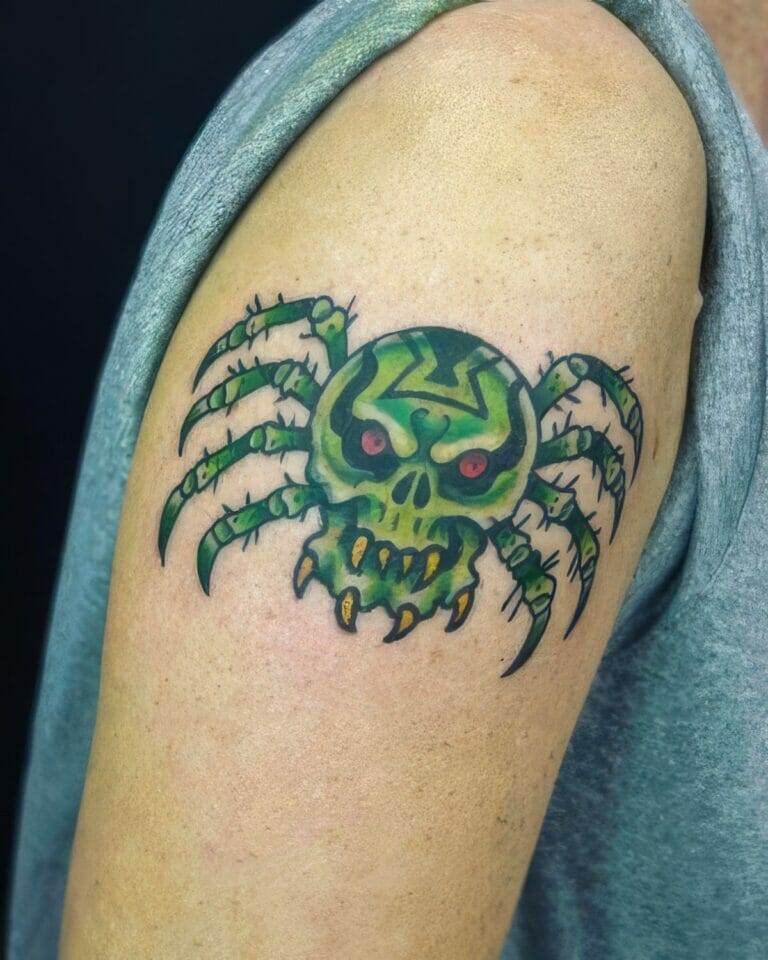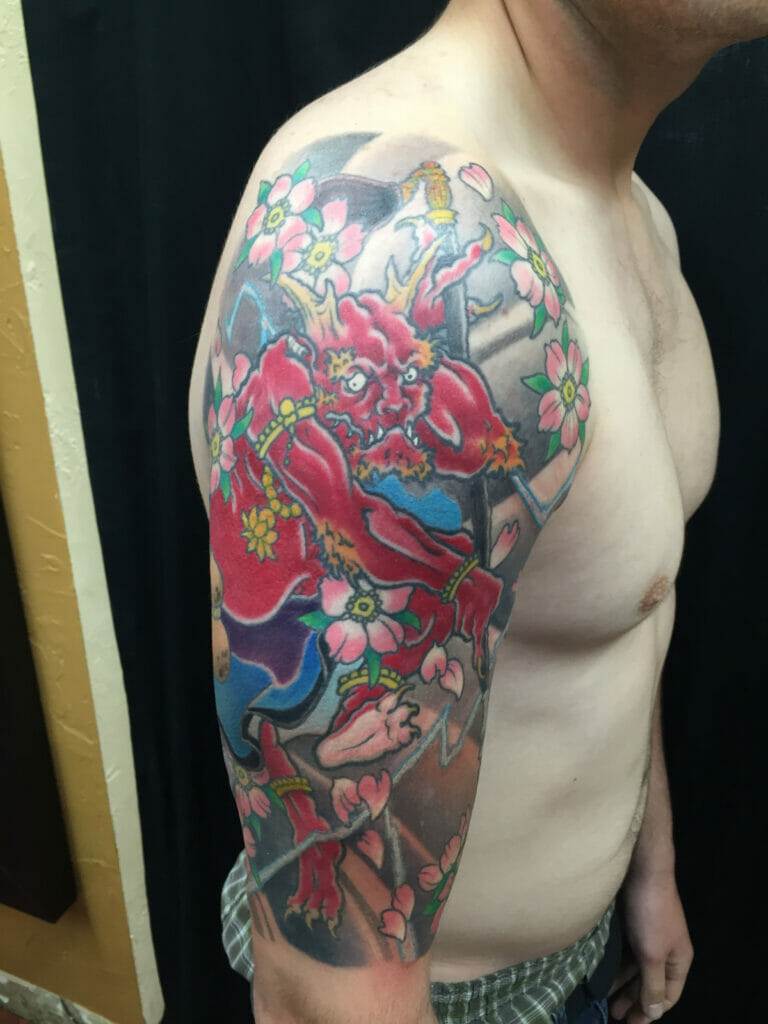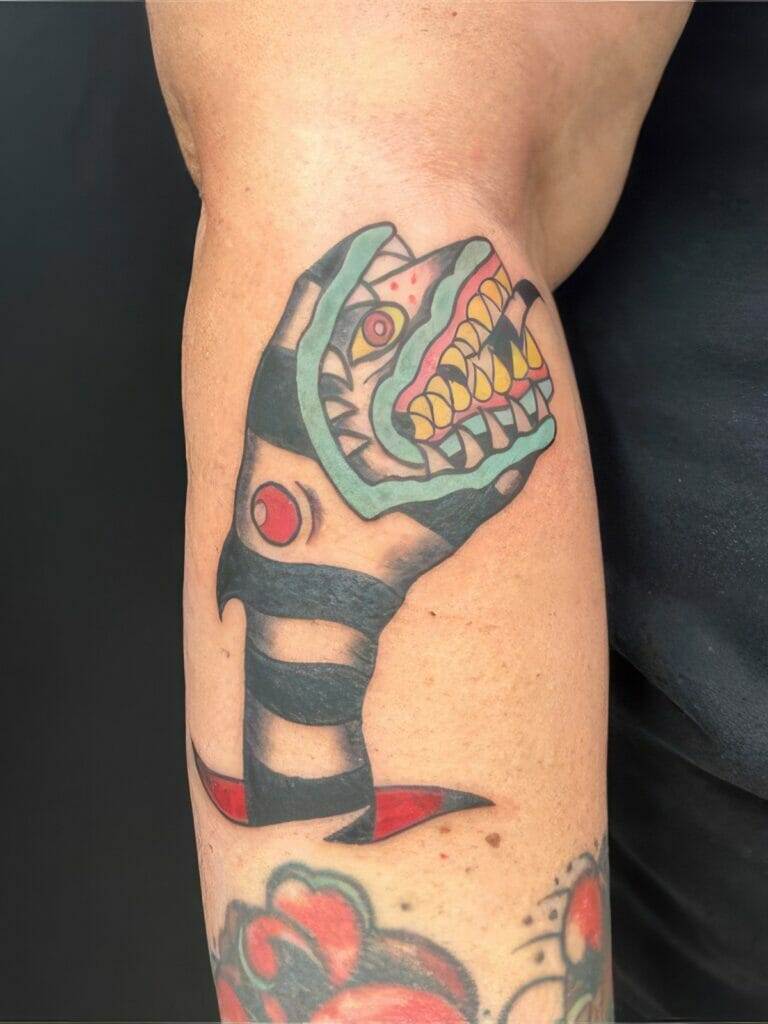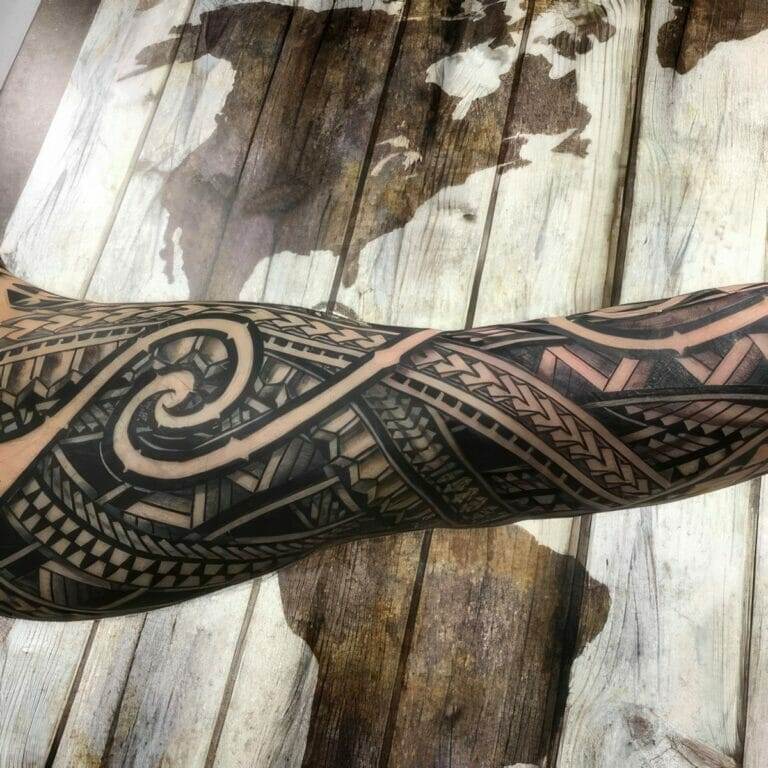
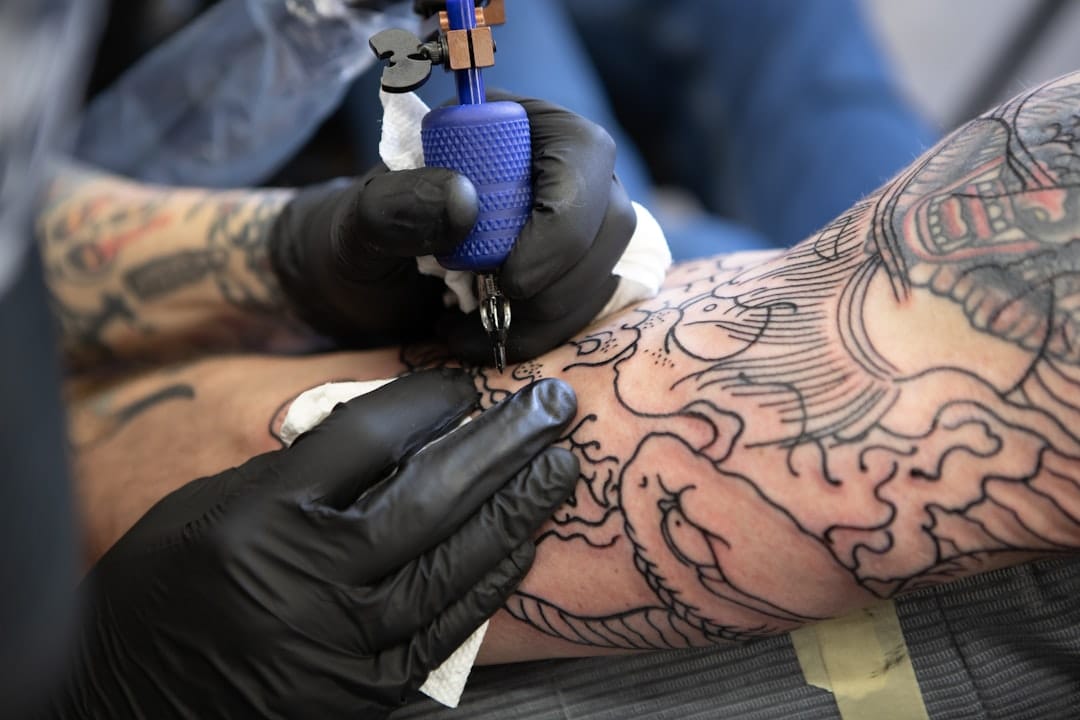
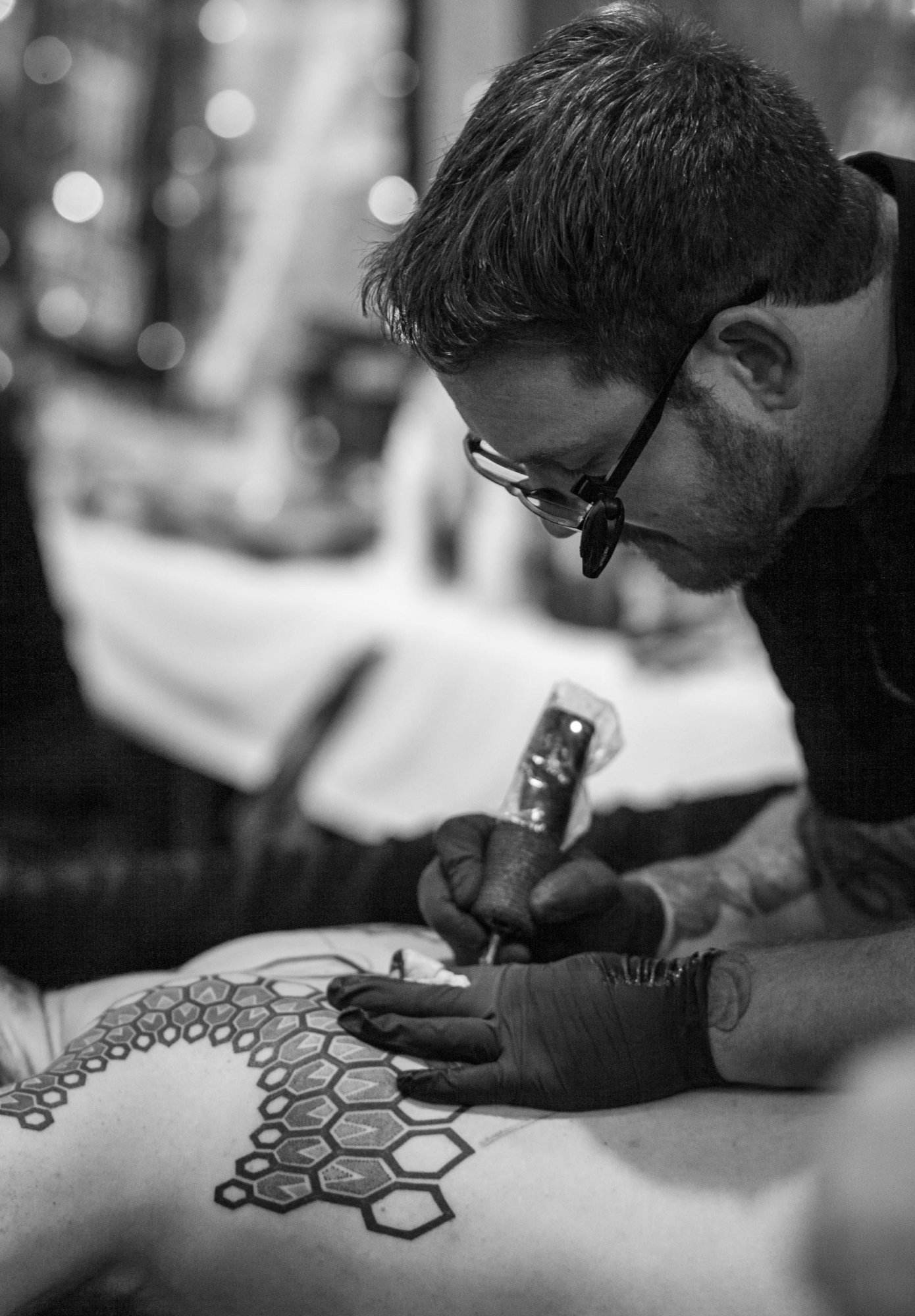
When contemplating a tattoo, it is essential to recognize the inherent risks and considerations that accompany this form of body art. Tattoos are permanent modifications to the skin, and while they can be a beautiful expression of individuality, they also come with potential health risks. The process involves needles piercing the skin, which can lead to infections if not performed in a sterile environment.
Additionally, allergic reactions to tattoo inks, particularly colored inks, can occur, resulting in rashes or other skin irritations. Understanding these risks is crucial for anyone considering a tattoo, as it allows for informed decision-making and preparation. Moreover, the psychological implications of getting a tattoo should not be overlooked.
The permanence of tattoos can lead to regret if the design or placement does not align with one’s evolving identity. It is vital to consider how a tattoo may affect personal and professional relationships, as well as how it may be perceived in various social contexts. Taking the time to reflect on these aspects can help ensure that the decision to get a tattoo is made with clarity and confidence.
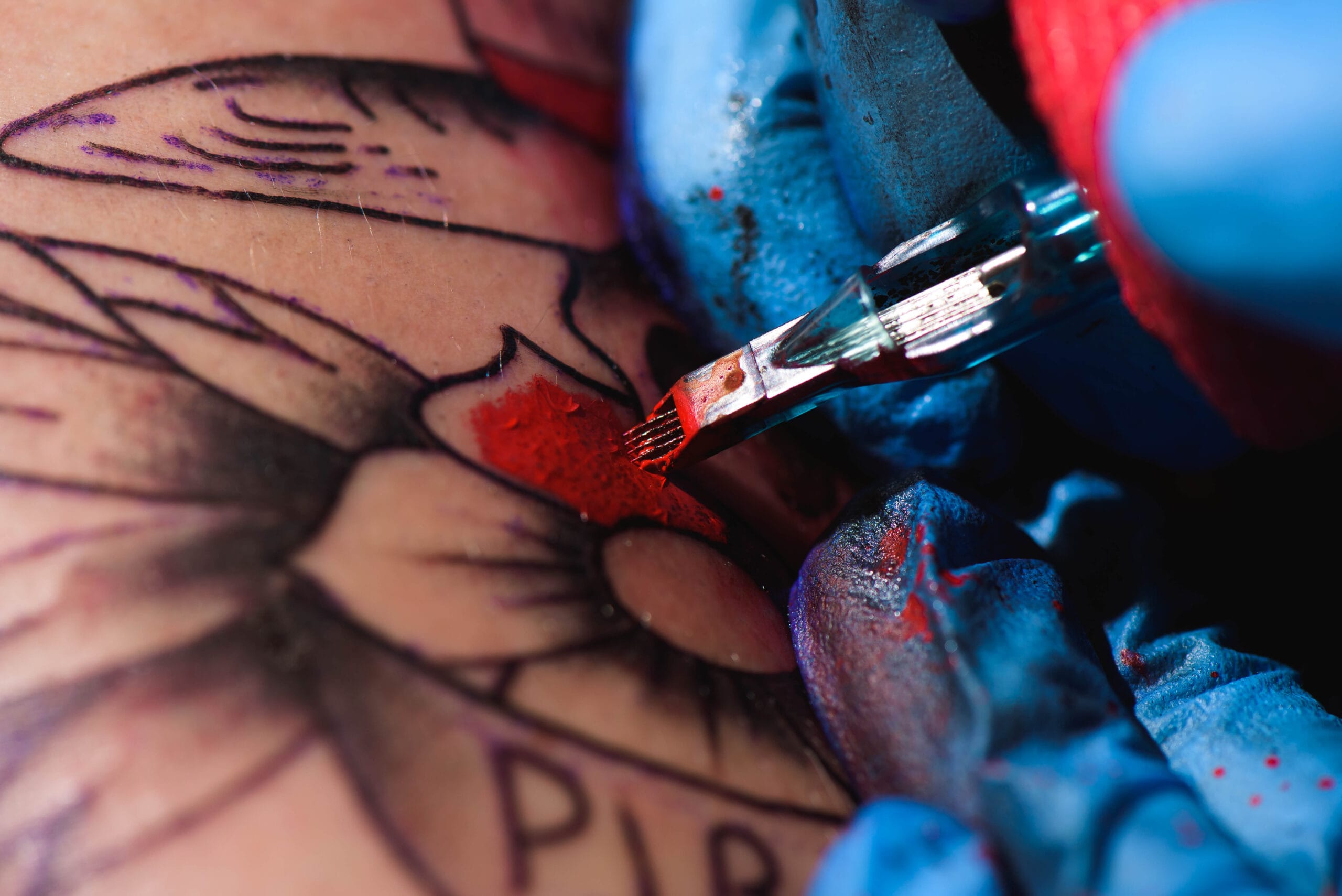
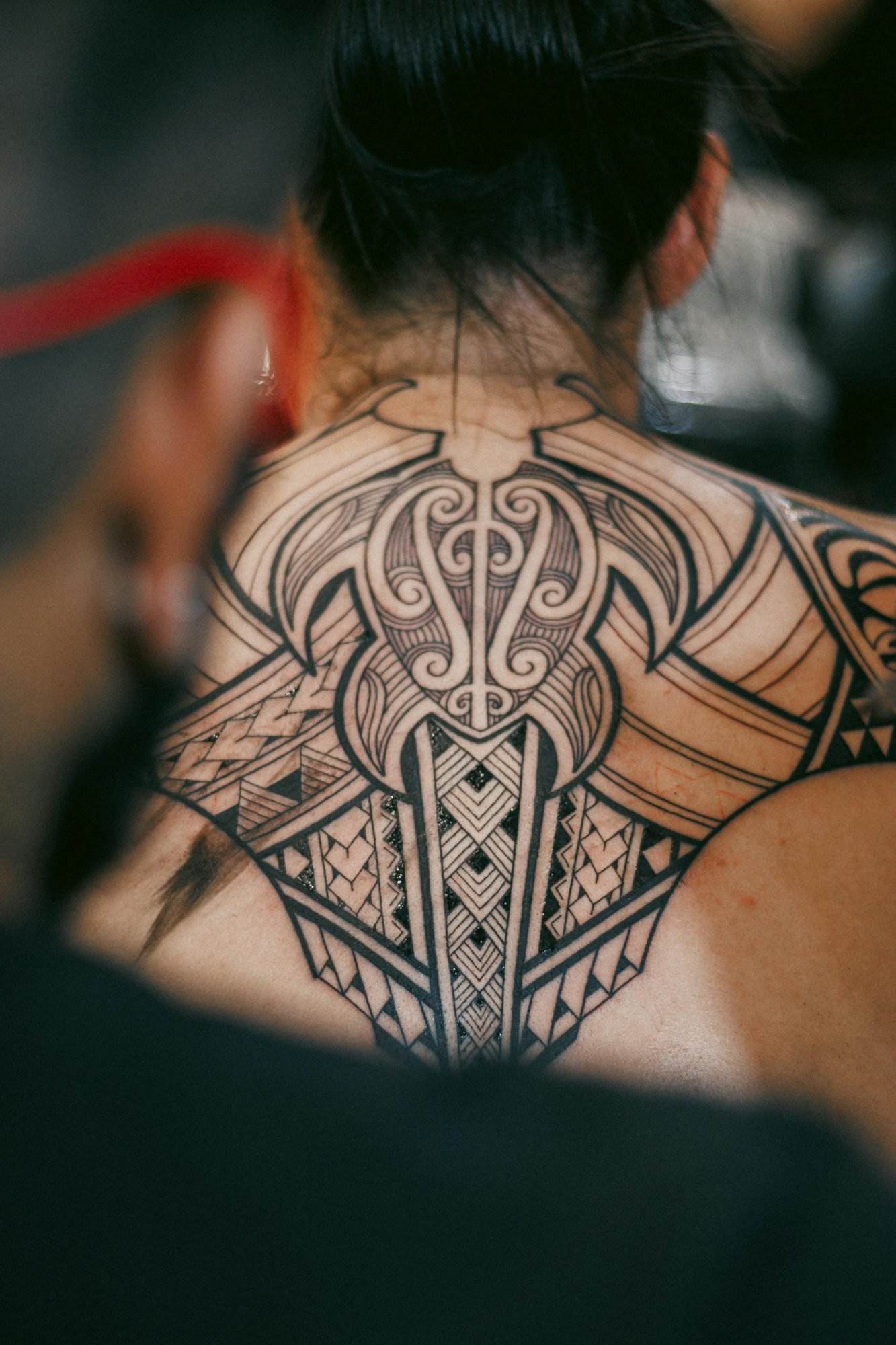
Key Takeaways
- Understanding the Risks and Considerations:
- Research potential health risks and considerations before getting a tattoo.
- Consider your skin type, medical history, and potential allergic reactions.
- Finding a Skilled and Experienced Tattoo Artist:
- Look for a reputable artist with a strong portfolio and positive reviews.
- Consider their experience, hygiene practices, and artistic style.
- Consultation and Patch Testing:
- Schedule a consultation with your chosen artist to discuss your ideas and concerns.
- Consider requesting a patch test to check for any allergic reactions to tattoo ink.
- Choosing the Right Tattoo Design and Placement:
- Take time to carefully choose a design and consider its placement on your body.
- Consider how the design will complement your unique skin features and body shape.
- Aftercare and Healing:
- Follow your artist’s aftercare instructions to ensure proper healing of your tattoo.
- Keep the tattoo clean and moisturized to promote healing and prevent infection.
- Long-Term Maintenance and Touch-Ups:
- Understand the long-term maintenance and potential need for touch-ups for your tattoo.
- Consider factors such as sun exposure, aging, and lifestyle changes that may affect the tattoo.
- Potential Complications and Risks:
- Be aware of potential complications such as infection, allergic reactions, and scarring.
- Monitor your tattoo for any signs of infection or adverse reactions and seek medical attention if needed.
- Conclusion: Embracing Your Unique Skin Features:
- Embrace your unique skin features and body art as a form of self-expression.
- Take pride in your tattoo and the careful consideration that went into its design and placement.
Finding a Skilled and Experienced Tattoo Artist
The choice of tattoo artist is one of the most critical factors in ensuring a positive tattoo experience. A skilled and experienced artist not only possesses technical proficiency but also an artistic vision that aligns with your desired outcome. When searching for an artist, it is advisable to review their portfolio, which showcases their previous work and style.
This step allows you to gauge their expertise and determine if their artistic approach resonates with your vision. In addition to examining portfolios, seeking recommendations from friends or online communities can provide valuable insights into an artist’s reputation. A reputable artist will prioritize hygiene and safety, adhering to industry standards for sterilization and equipment use.
At Redemption Ink in San Diego, for instance, artists are committed to maintaining a clean and safe environment, ensuring that clients feel comfortable throughout the process. Engaging in conversations with potential artists can also help establish rapport and trust, which are essential for a successful tattoo experience.
Consultation and Patch Testing

Once you have identified a potential tattoo artist, scheduling a consultation is an important next step. This meeting provides an opportunity to discuss your ideas, preferences, and any concerns you may have. A professional artist will listen attentively to your vision while offering their expertise on design elements, size, and placement.
This collaborative process ensures that both you and the artist are aligned on the final outcome, reducing the likelihood of misunderstandings or dissatisfaction. In some cases, particularly for individuals with sensitive skin or a history of allergic reactions, patch testing may be advisable. This involves applying a small amount of tattoo ink to a discreet area of skin to observe any adverse reactions over a few days.
Patch testing can provide peace of mind and help identify any potential allergies before committing to a full tattoo. By taking these precautionary steps during the consultation phase, you can enhance your overall tattoo experience and minimize risks.
Choosing the Right Tattoo Design and Placement
Selecting the right design and placement for your tattoo is a deeply personal decision that requires careful consideration. The design should resonate with your identity, values, or experiences, serving as a meaningful representation of who you are. Whether opting for intricate artwork or simple symbols, it is essential to choose something that you will cherish for years to come.
Collaborating with your tattoo artist can help refine your ideas into a cohesive design that reflects your vision. Placement is equally important, as it can influence both the visibility of the tattoo and its impact on your daily life. Some individuals prefer tattoos that are easily concealable for professional settings, while others may choose prominent locations that showcase their art.
Factors such as pain tolerance and skin sensitivity should also be considered when deciding on placement. For instance, areas with more flesh may be less painful than those over bone or sensitive skin. Ultimately, the right design and placement should harmonize with your personal style and lifestyle choices.
Aftercare and Healing
Proper aftercare is crucial for ensuring that your tattoo heals well and maintains its vibrancy over time. After receiving your tattoo at Redemption Ink in San Diego, your artist will provide specific aftercare instructions tailored to your individual needs. These guidelines typically include keeping the tattoo clean and moisturized while avoiding direct sunlight and soaking in water for an extended period.
Following these instructions diligently can significantly reduce the risk of infection and promote optimal healing. The healing process varies from person to person but generally takes about two to four weeks. During this time, it is common for the tattooed area to experience some redness, swelling, or peeling as the skin regenerates.
Patience is key during this phase; resisting the urge to scratch or pick at scabs is essential for preserving the integrity of the design. By prioritizing aftercare, you can ensure that your tattoo heals beautifully and remains a source of pride for years to come.
Long-Term Maintenance and Touch-Ups
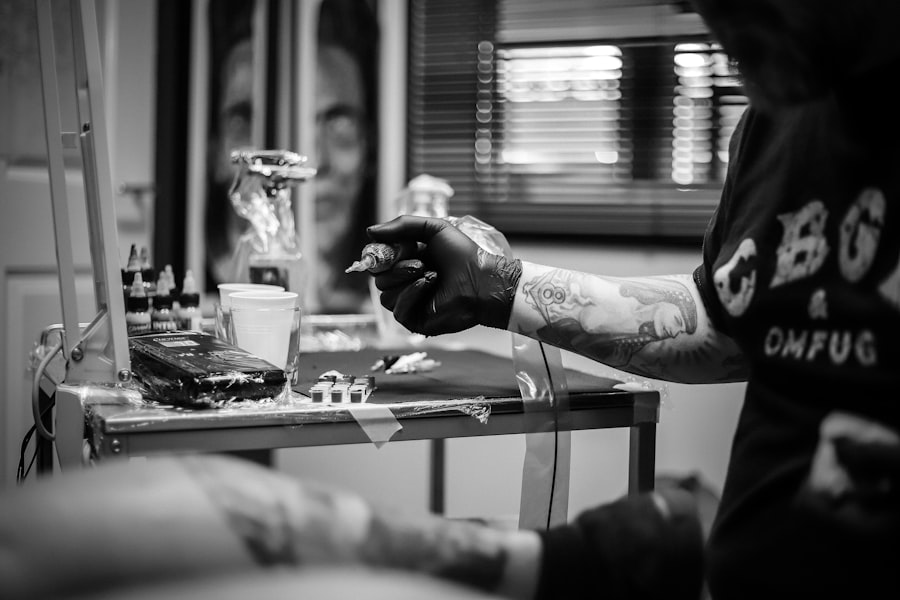
Once your tattoo has healed, long-term maintenance becomes essential for preserving its appearance. Over time, factors such as sun exposure, aging skin, and lifestyle choices can affect the vibrancy of your tattoo. To maintain its quality, applying sunscreen to the tattooed area when exposed to sunlight is crucial; this helps prevent fading caused by UV rays.
Additionally, keeping the skin moisturized can enhance the overall appearance of the tattoo. Touch-ups may also be necessary as time goes on. A skilled artist will be able to assess whether your tattoo requires any enhancements or corrections after several years.
Touch-ups can refresh colors or sharpen lines that may have blurred over time due to skin changes or natural wear. Regularly consulting with your artist about maintenance can ensure that your tattoo continues to look its best throughout its lifespan.
Potential Complications and Risks
Despite taking all necessary precautions, potential complications can arise from getting a tattoo. Infections are one of the most common risks associated with tattoos; they can occur if proper hygiene practices are not followed during the application process or if aftercare instructions are neglected. Symptoms of infection may include increased redness, swelling, pus discharge, or fever.
If any of these symptoms arise, seeking medical attention promptly is crucial. Allergic reactions to tattoo ink are another concern that some individuals may face. While rare, these reactions can manifest as rashes or itching around the tattooed area.
If you have sensitive skin or known allergies, discussing these concerns with your artist beforehand can help mitigate risks. Additionally, keloids—raised scars that form at the site of an injury—can occur in some individuals after getting a tattoo. Being aware of these potential complications allows you to make informed decisions about your body art journey.
Embracing Your Unique Skin Features
In conclusion, getting a tattoo is a significant decision that requires careful thought and consideration at every stage of the process. From understanding the risks involved to finding a skilled artist at Redemption Ink in San Diego, each step plays a vital role in ensuring a positive experience. By engaging in thorough consultations and patch testing, you can make informed choices about design and placement while prioritizing aftercare for optimal healing.
Ultimately, tattoos serve as unique expressions of individuality that celebrate personal stories and experiences. Embracing your unique skin features through body art allows you to create lasting memories etched into your skin. With proper care and attention, tattoos can become cherished symbols of identity that evolve alongside you throughout life’s journey.
FAQs
Can you tattoo over freckles and sunspots safely?
Yes, it is possible to tattoo over freckles and sunspots safely. However, it is important to consult with a professional tattoo artist who has experience working with these skin conditions to ensure the safety and success of the tattooing process.
Are there any risks associated with tattooing over freckles and sunspots?
Tattooing over freckles and sunspots can pose some risks, such as potential changes in the appearance of the freckles or sunspots, as well as potential difficulty in achieving the desired tattoo design. It is important to discuss these risks with a professional tattoo artist before proceeding with the tattooing process.
What should I consider before getting a tattoo over freckles and sunspots?
Before getting a tattoo over freckles and sunspots, it is important to consider the potential changes in the appearance of the skin condition, as well as the potential challenges in achieving the desired tattoo design. It is also important to consult with a professional tattoo artist who has experience working with these skin conditions to ensure the safety and success of the tattooing process.
How can I ensure the safety of tattooing over freckles and sunspots?
To ensure the safety of tattooing over freckles and sunspots, it is important to consult with a professional tattoo artist who has experience working with these skin conditions. Additionally, it is important to follow proper aftercare instructions to promote healing and minimize the risk of complications.