In the vibrant coastal community of Pacific Beach, San Diego, large custom tattoos, particularly full sleeves, represent a significant commitment to body art. This guide aims to provide a comprehensive overview for individuals considering such a project at Redemption Ink, focusing on the practicalities, artistic considerations, and a realistic understanding of the process.
A full sleeve tattoo is a singular, cohesive piece of art that encompasses the entire circumference of the arm, from the shoulder to the wrist. It is not merely a collection of individual tattoos placed together but a unified design. This undertaking demands a considerable investment of time, resources, and trust in your chosen artist.
Defining Your Vision for a Full Sleeve
Before even stepping into Redemption Ink, a clear understanding of your desired aesthetic is beneficial. While your artist will guide you, a preliminary vision helps streamline the design process.
Exploring Artistic Styles
Pacific Beach, and San Diego generally, embraces a wide array of tattoo styles. Consider which resonates most with you:
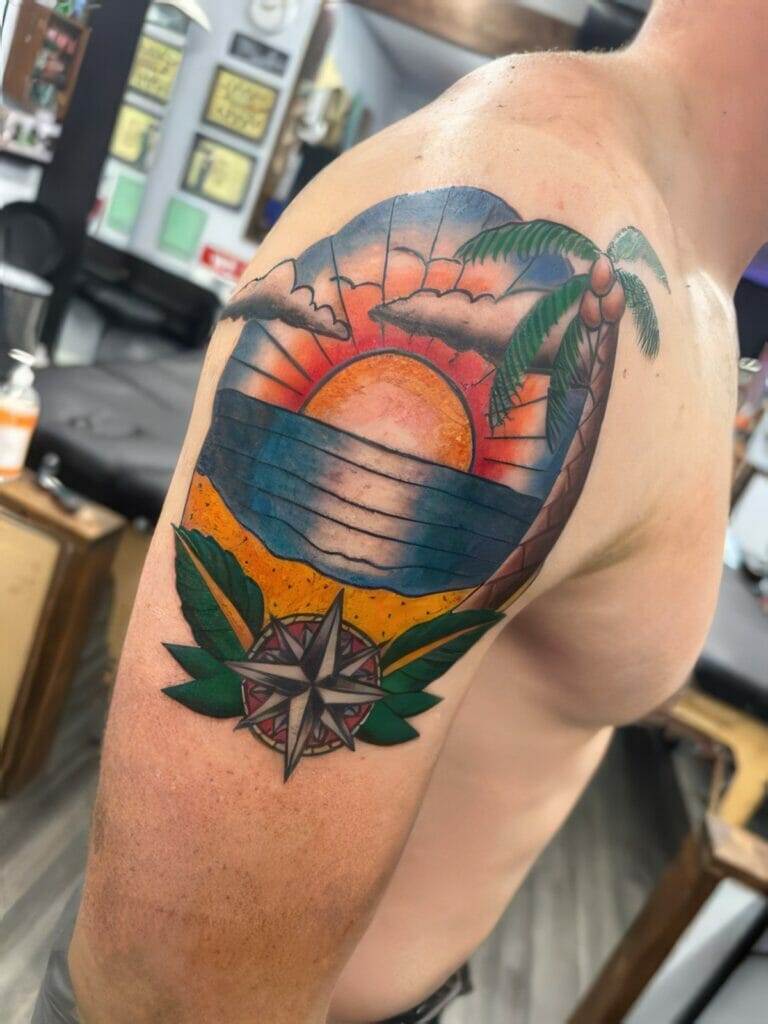
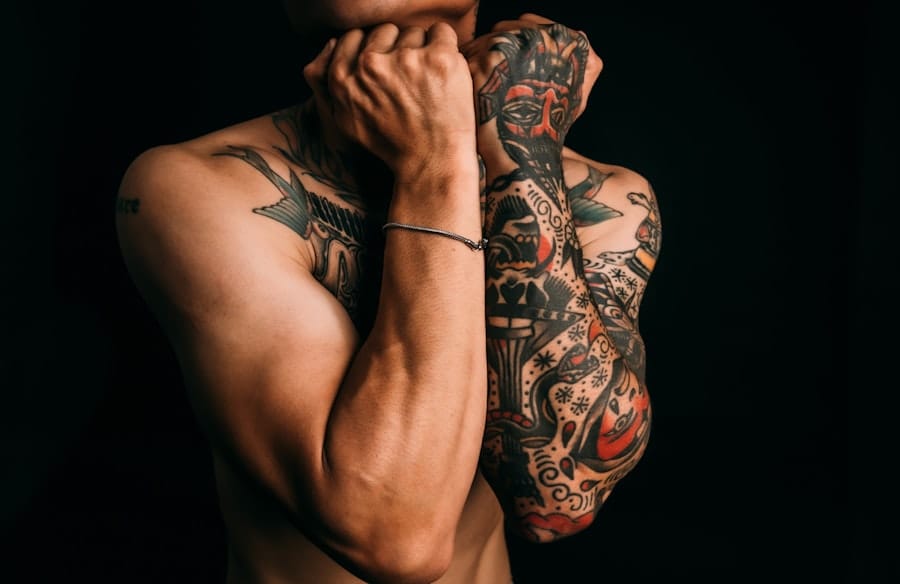
- Traditional/American Traditional: Bold lines, limited color palettes (red, black, yellow, green), and classic imagery like anchors, roses, eagles, and pin-up girls. This style has a timeless appeal and holds up exceptionally well on the skin over time.
- Neo-Traditional: A modern evolution of traditional, often featuring more intricate details, a broader color spectrum, and a more illustrative approach while retaining the strong linework and readability.
- Realistic/Photo-realistic: Aims to replicate the appearance of photographs or real-life subjects with high detail and shading. This style requires immense skill and can be stunning but may require more touch-ups over its lifespan due to its detailed nature.
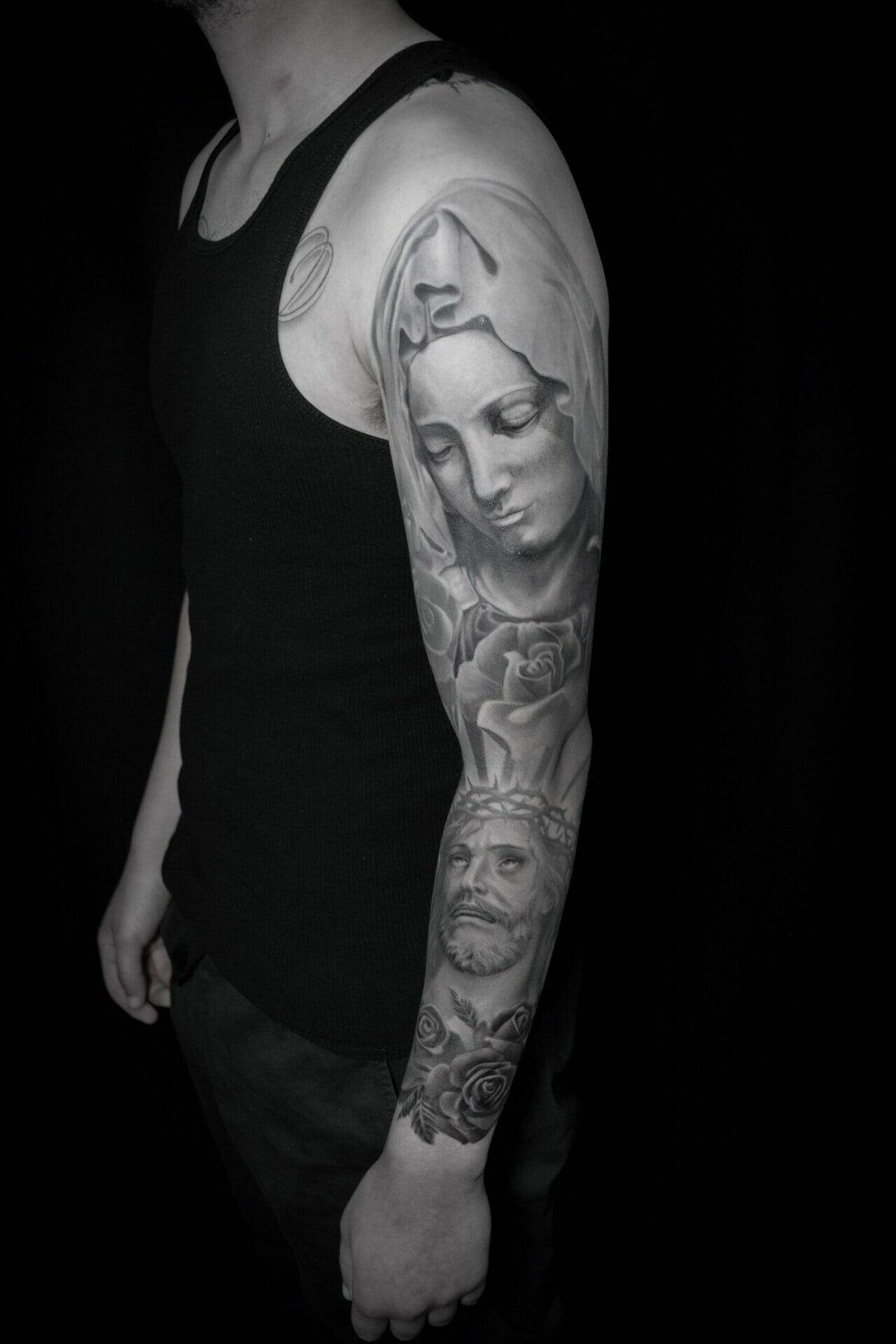
- Black and Gray: Utilizes only black ink and varying dilutions to create a range of tones and shades, often used in realistic, Chicano, or religious imagery. It offers a classic, sophisticated look.
- Japanese/Oriental: Characterized by iconic imagery such as koi fish, dragons, waves, cherry blossoms, and samurai. This style often follows specific compositional rules, creating a flowing, narrative piece.
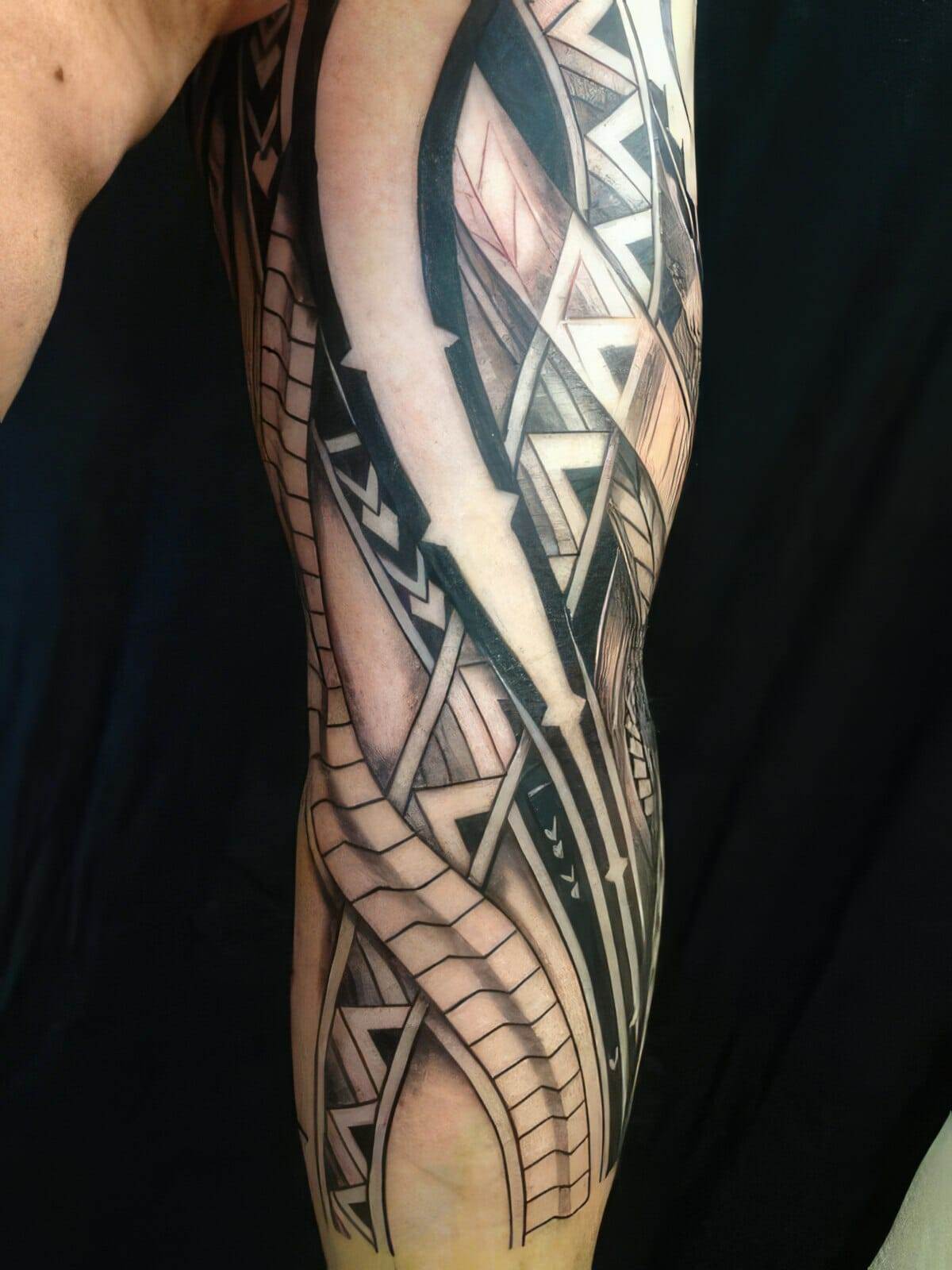
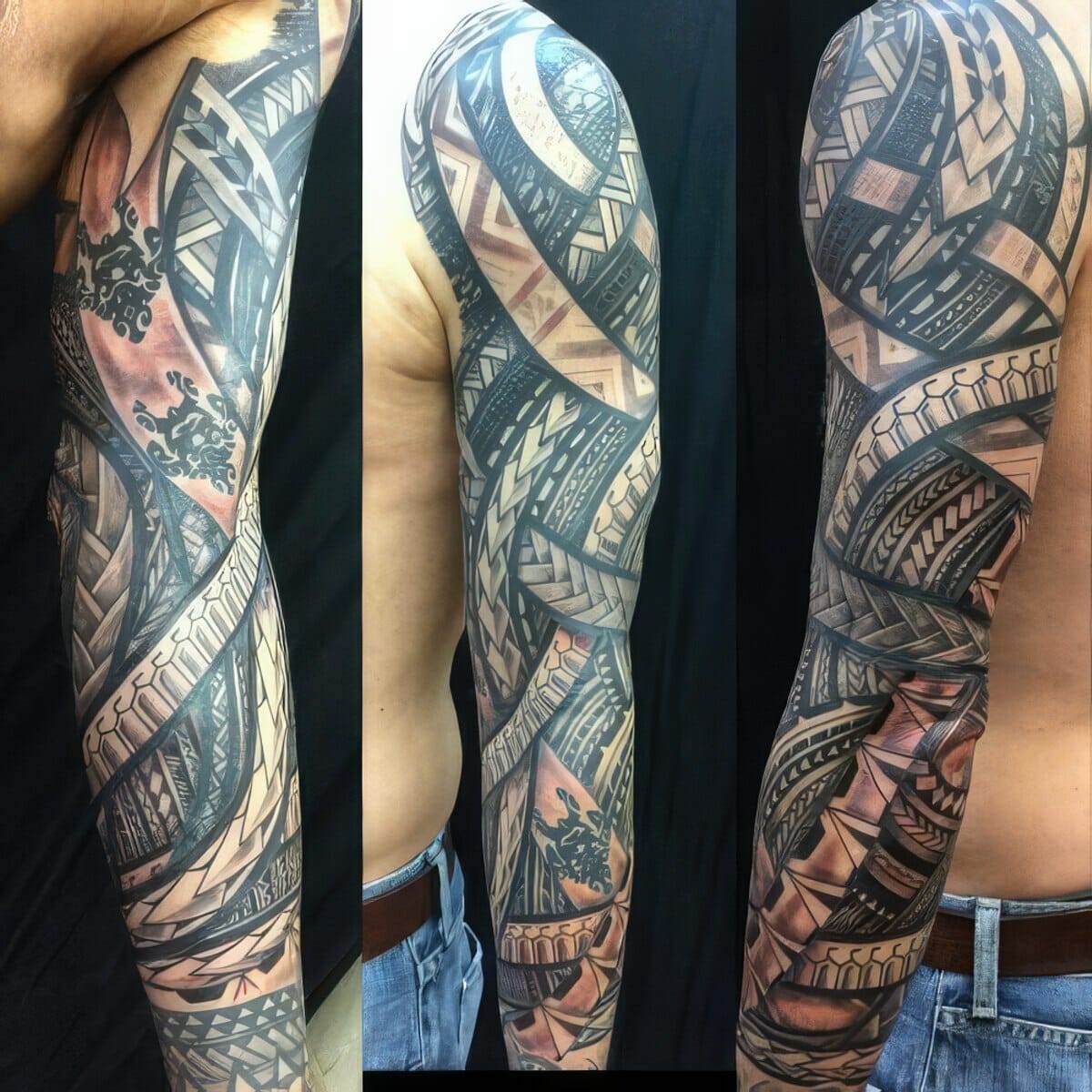
- Geometric/Dotwork: Employs precise lines, shapes, and patterns, often built up with thousands of small dots to create intricate designs and textures. This style can be very abstract or incorporate figurative elements.
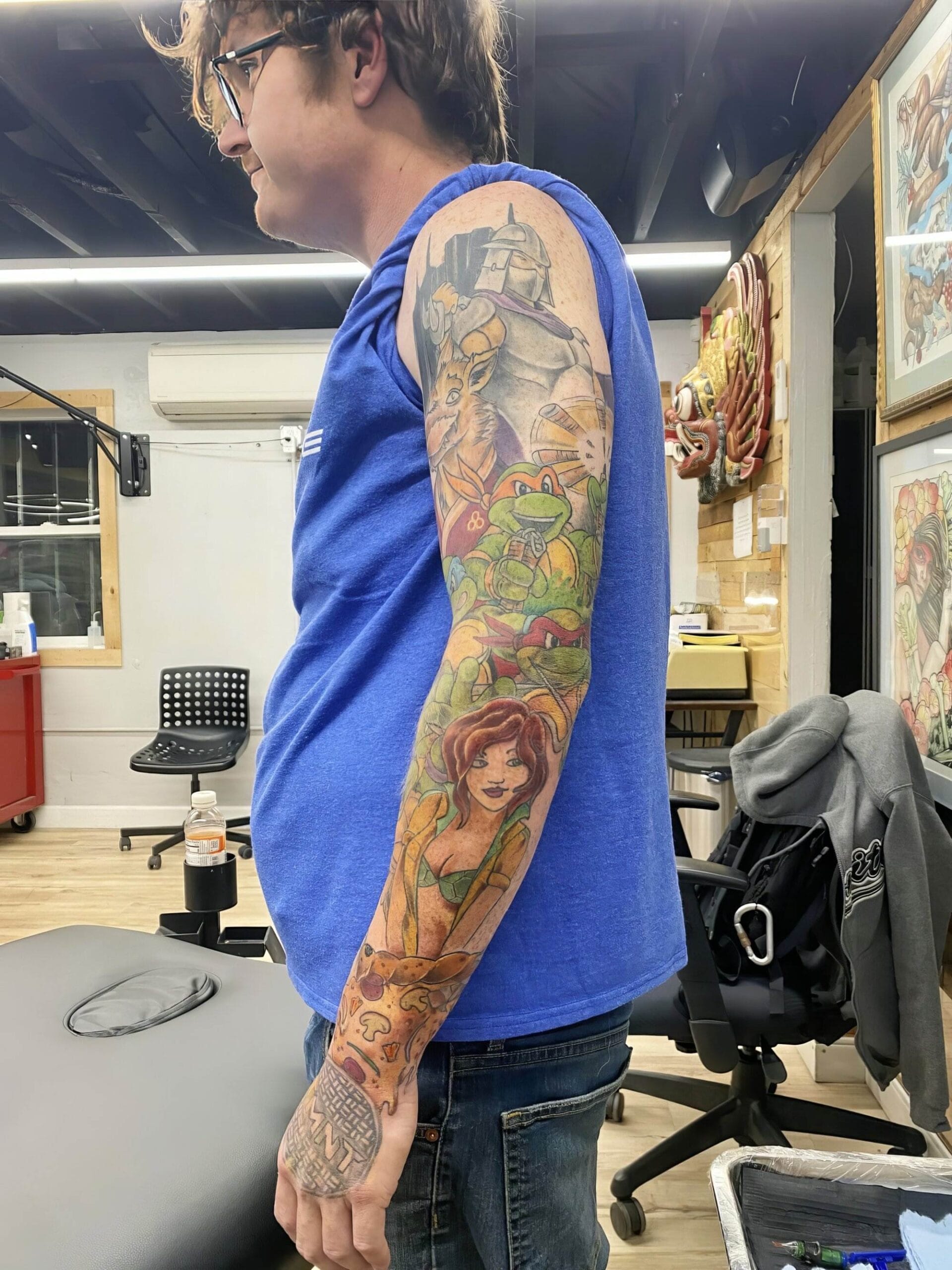
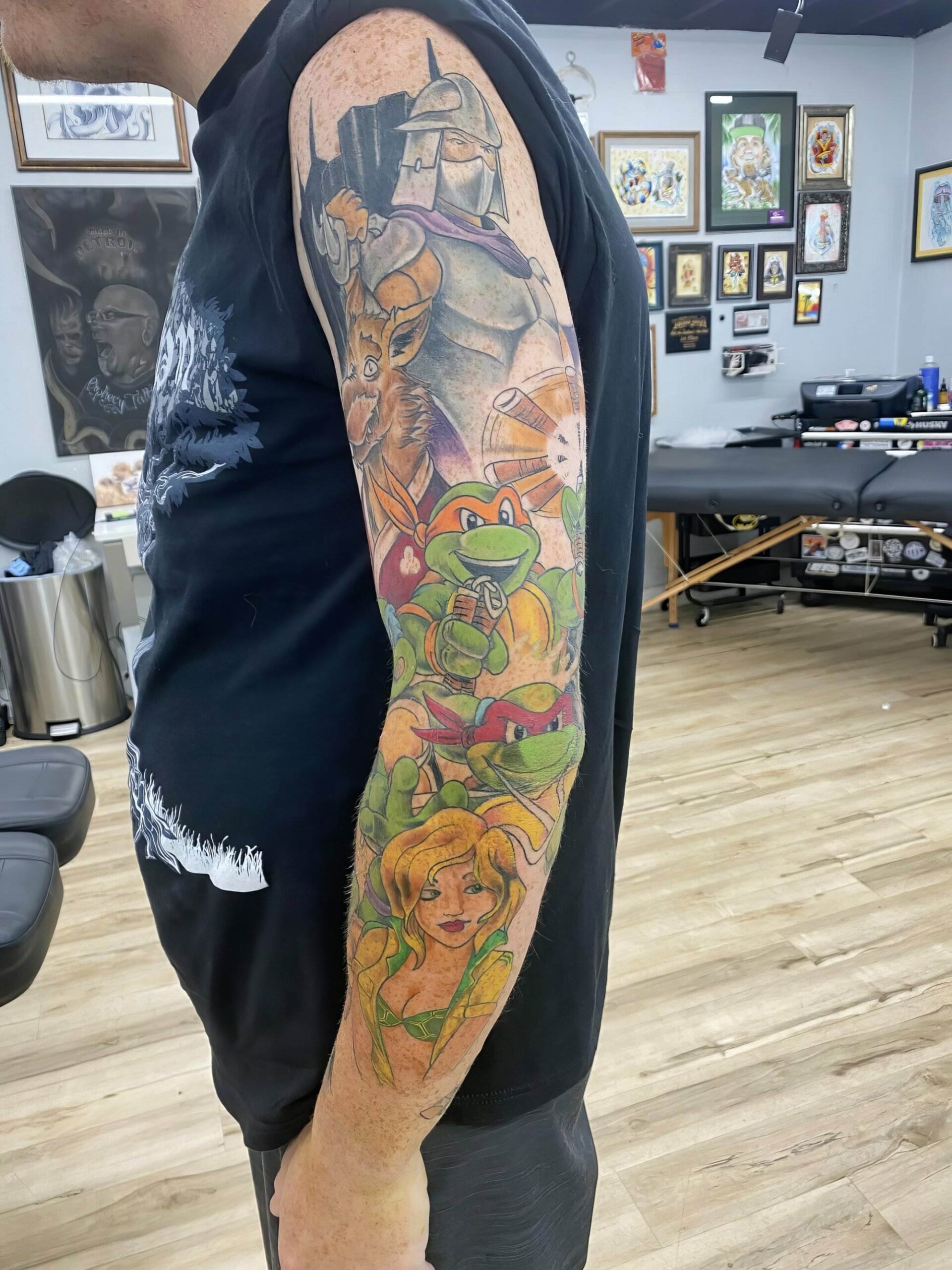
- Illustrative/New School: A broad category that leans into artistic illustration, often with vibrant colors, exaggerated features, and a more whimsical or cartoonish feel.
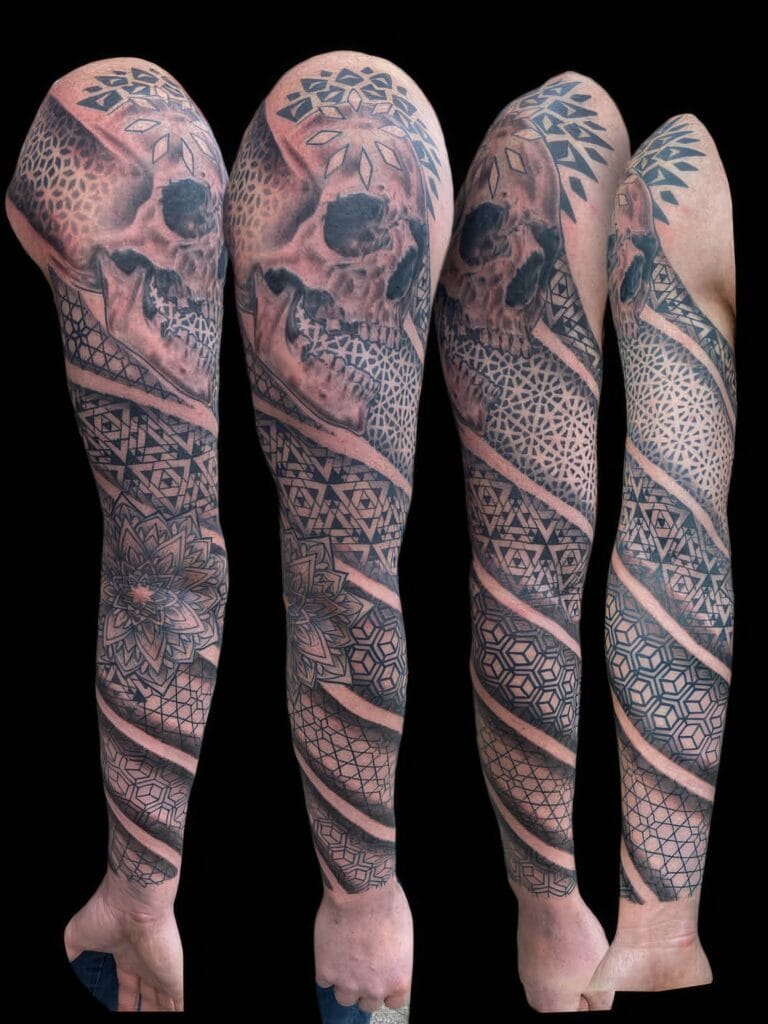


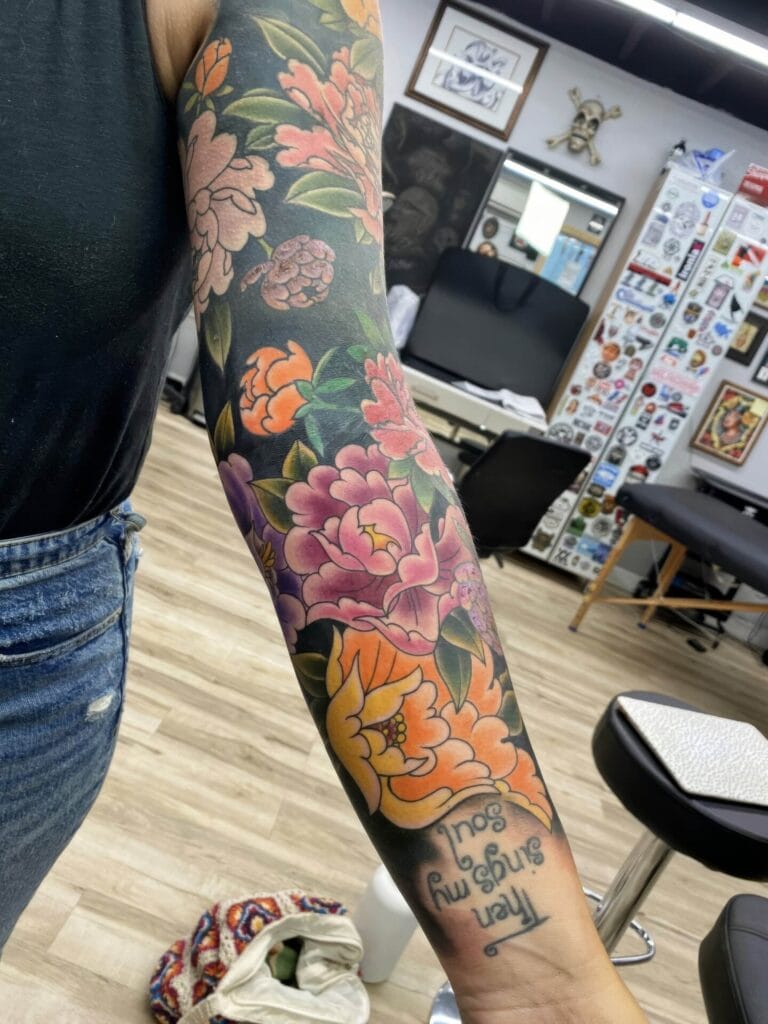
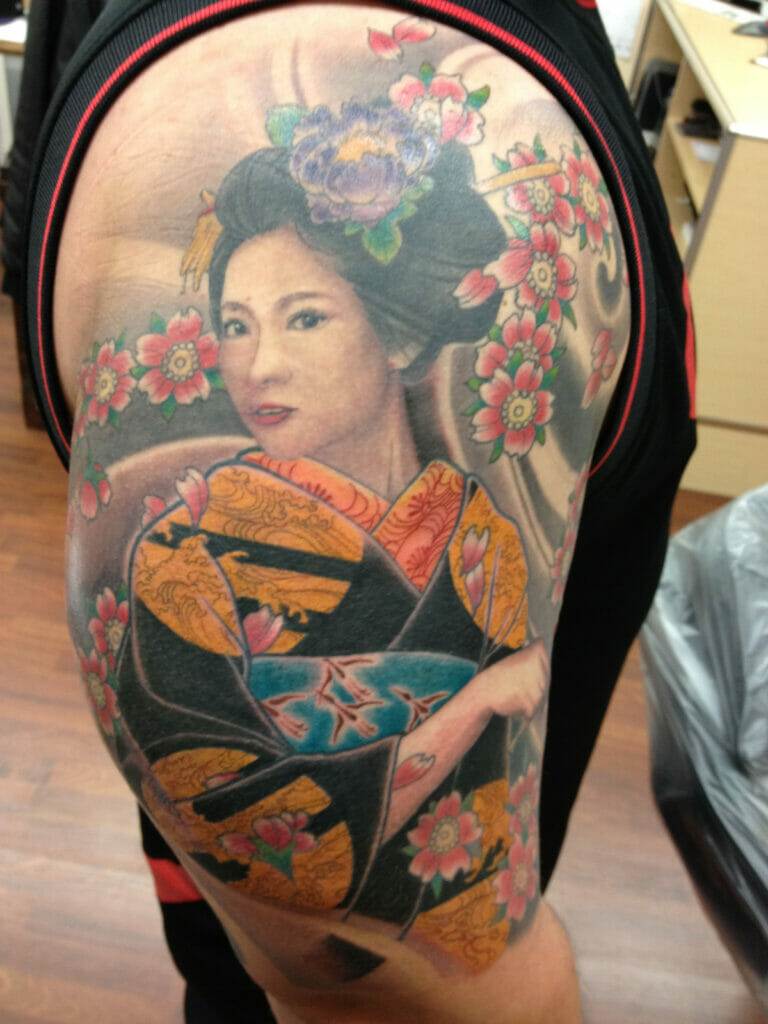
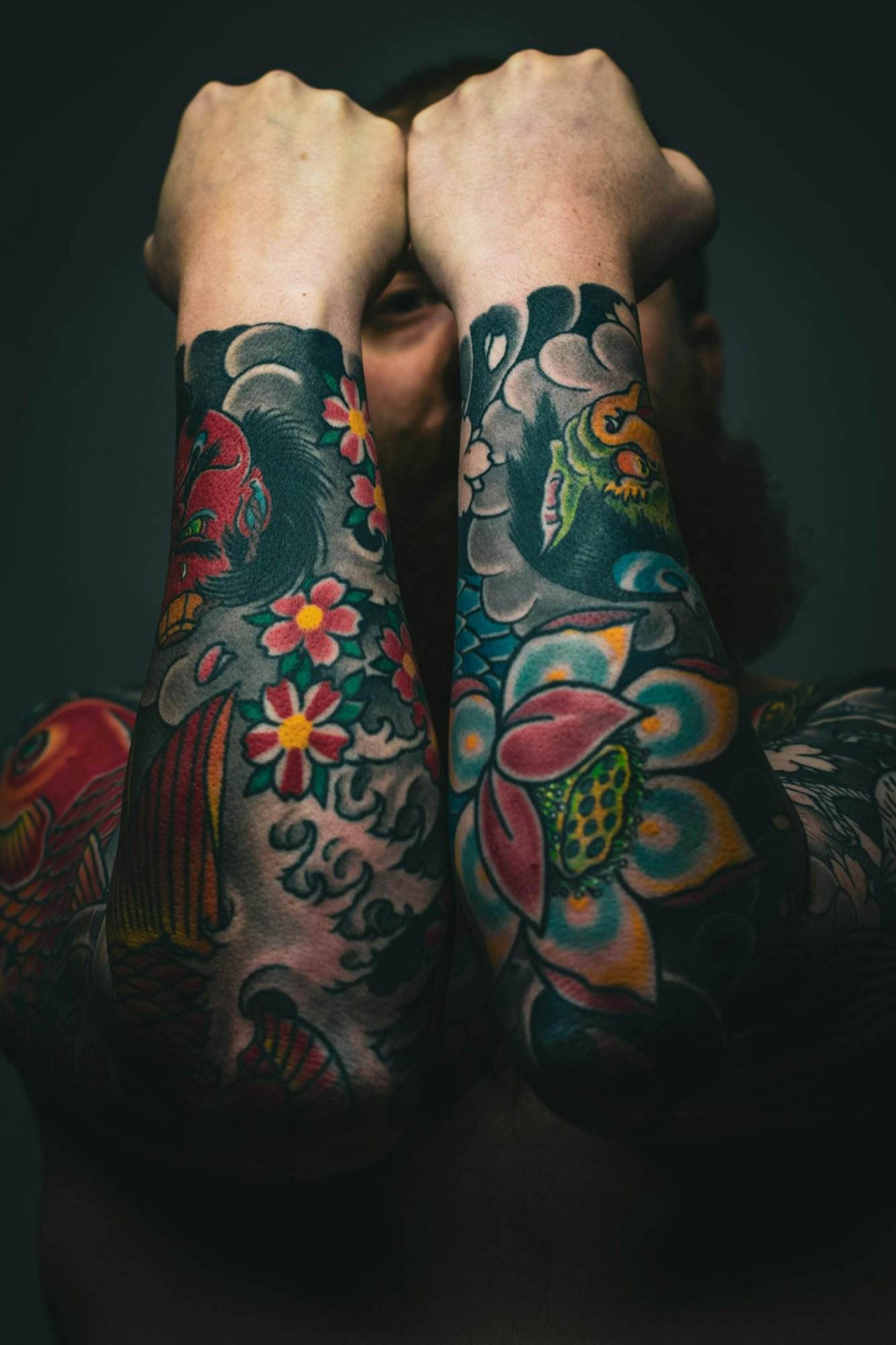
Theme and Imagery
Beyond style, consider the overarching theme or specific imagery you wish to incorporate. A full sleeve often tells a story or represents a collection of significant ideas.
- Narrative Sleeves: Designs that flow together to tell a sequential story or represent different chapters of life.
- Thematic Sleeves: Focused on a singular subject matter, such as nature, mythology, specific cultures, or personal interests.
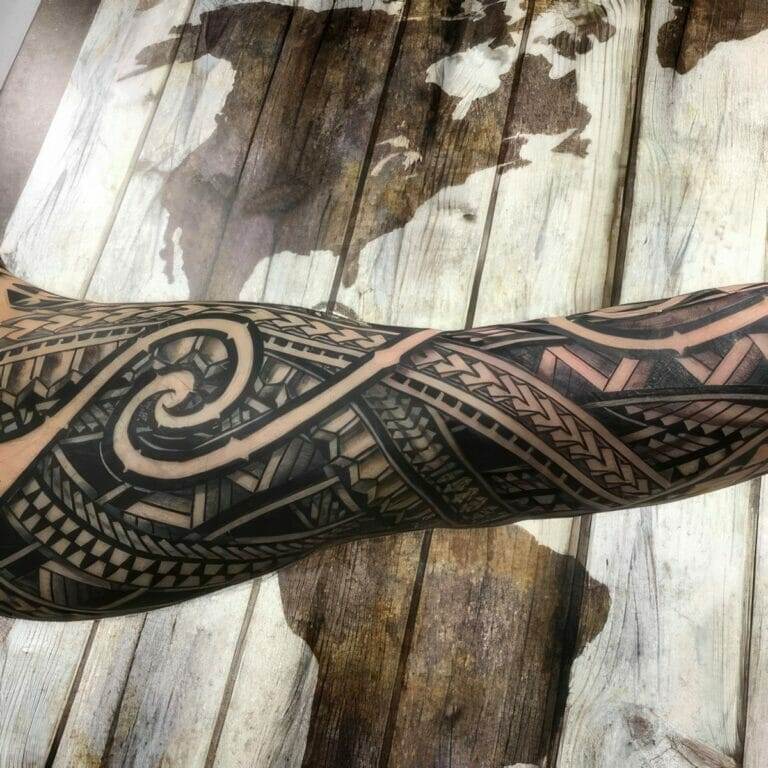
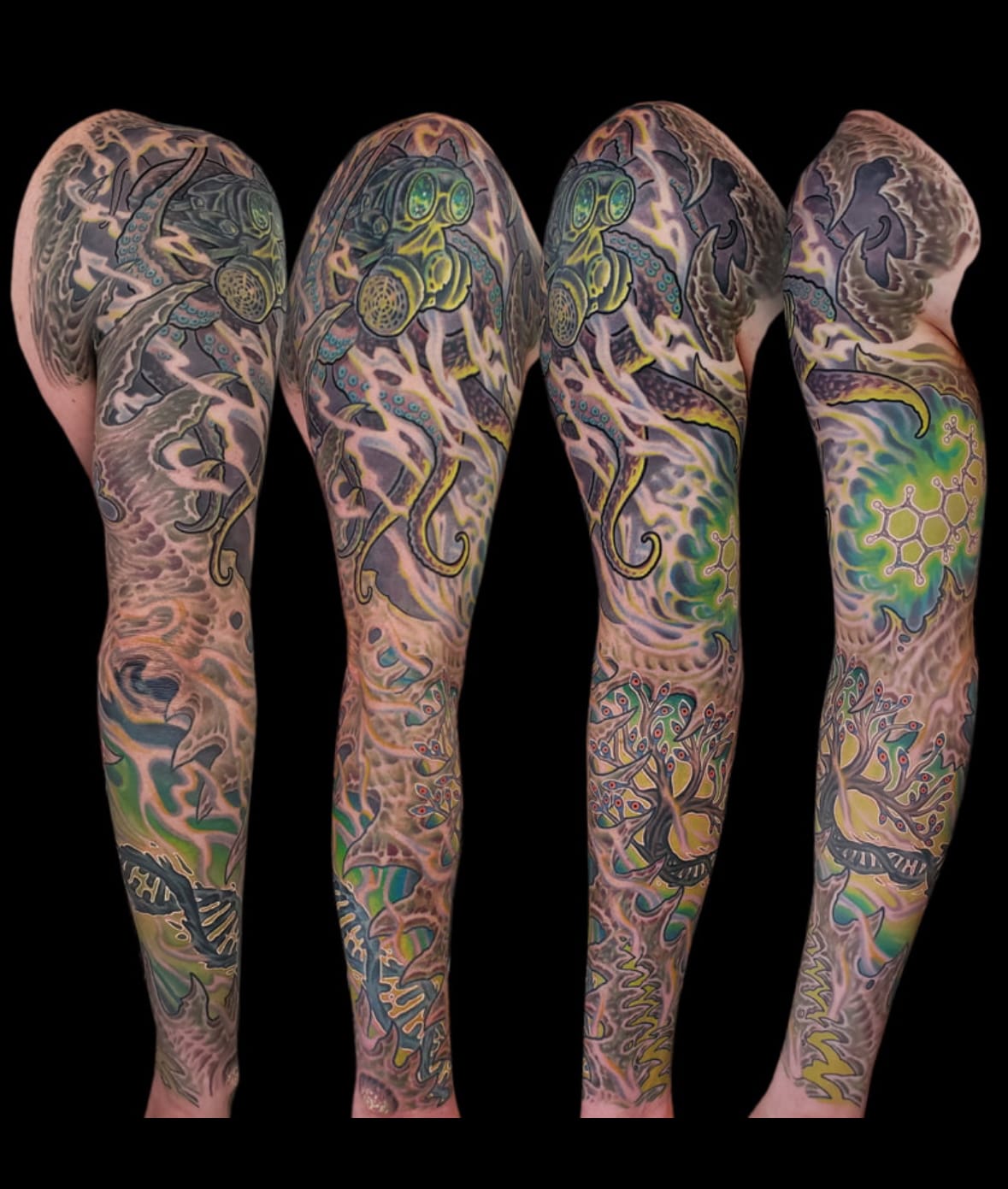
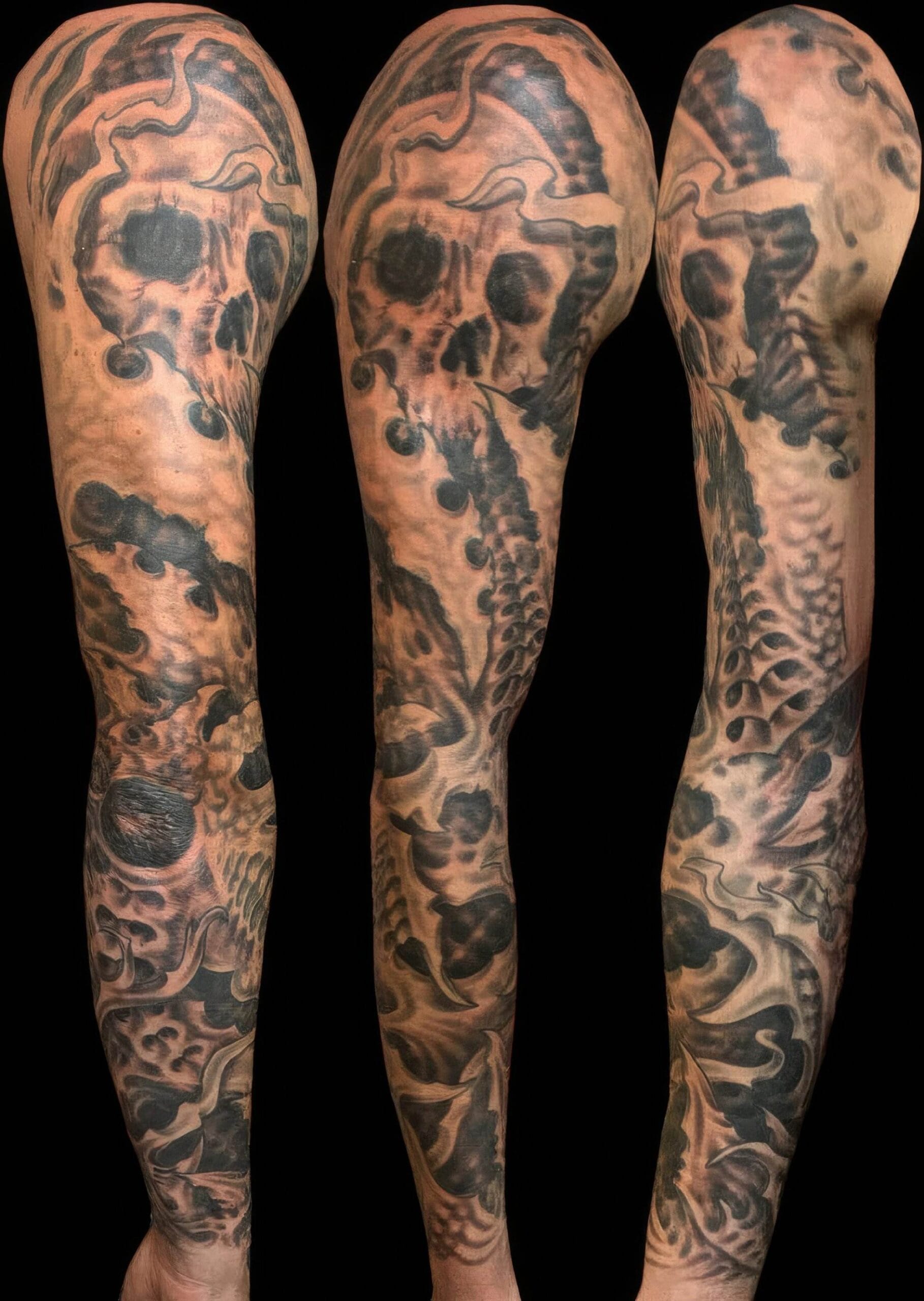
- Abstract Sleeves: Designs that prioritize visual flow, texture, and pattern over specific recognizable objects.
Collaborative Design Process at REDEMPTION INK
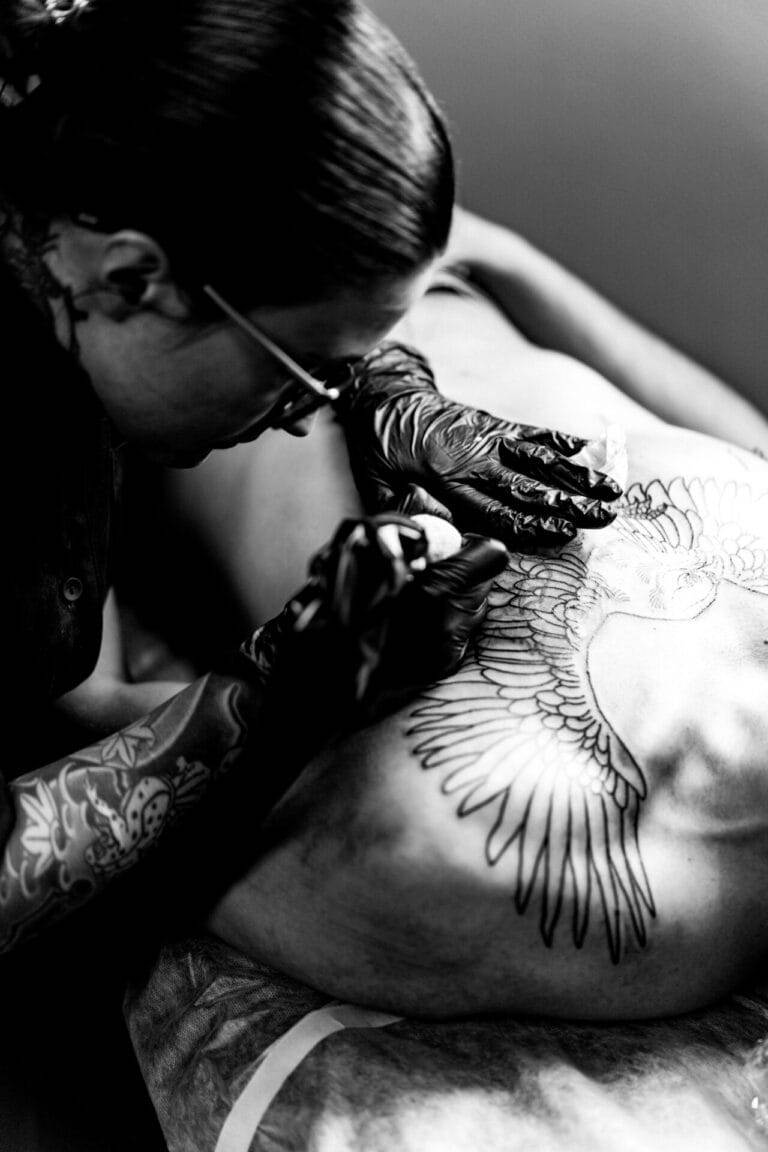
The design phase for a large custom tattoo like a full sleeve is a collaborative effort between you and your artist at Redemption Ink. This is not a transactional process where you simply pick a design from a book.
Initial Consultation
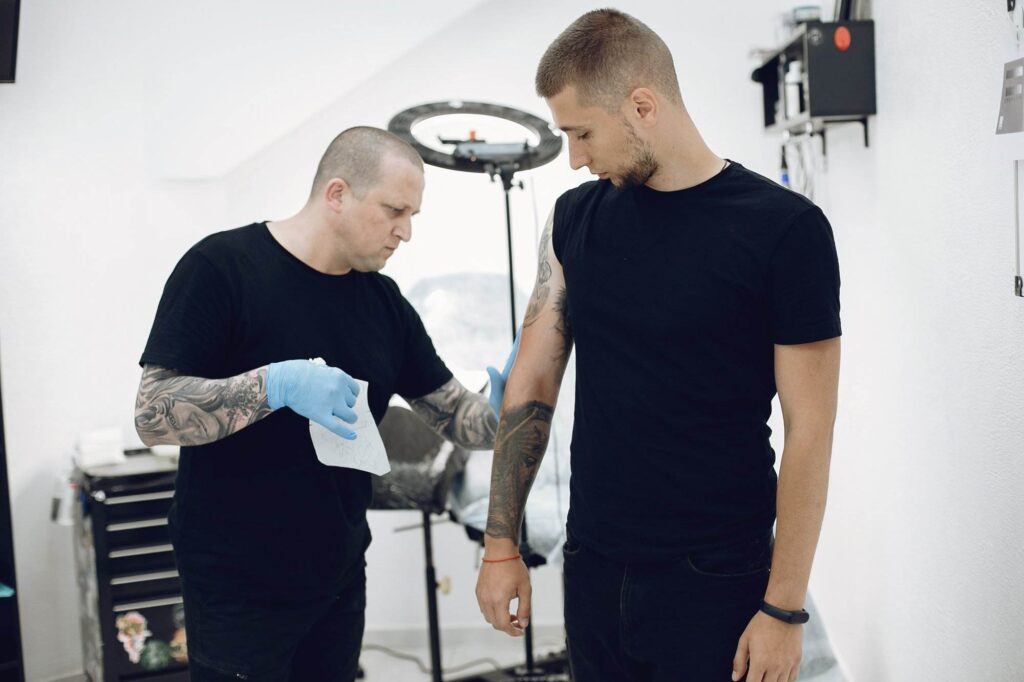
The first step is typically an in-person consultation. During this meeting, you will discuss your vision, preferred style, themes, and any reference images you might have.
- Communicating Your Ideas: Be prepared to articulate your concepts clearly. Bring any visual aids that inspire you, whether they are photographs, artwork, or even existing tattoos you admire.
- Artist Input: Your artist will offer their expertise, discussing feasibility, artistic interpretation, and how different elements can be integrated into a cohesive sleeve design. They will advise on what works well on the arm’s anatomy and suggest creative solutions.
- Budget and Timeframe Discussion: This initial meeting is also crucial for discussing the estimated cost and the projected number of sessions required to complete the sleeve. Be transparent about your budget, as this can influence design complexity.
Custom Artwork Development
Following the consultation, your artist will begin developing a custom design. This often involves several iterations.
- Rough Sketches: The artist may start with rough sketches to establish the layout and main compositional elements.
- Digital Rendering: Many artists use digital tools to refine designs, allowing for easier modifications and visualizations.
- Feedback and Revisions: You will be given opportunities to review the artwork and provide feedback. Open communication is paramount to ensure the final design aligns with your expectations. It is important to be constructive with your feedback and trust your artist’s judgment on what translates effectively to skin.
The Tattooing Process: Sessions and Aftercare
Executing a full sleeve is a marathon, not a sprint. It demands patience, endurance, and diligent aftercare.
Understanding Session Structure
A full sleeve typically requires multiple sessions, ranging from 4 to 15 or more, depending on the complexity of the design, the level of detail, and individual pain tolerance.
Session Length
Each session can last anywhere from 3 to 8 hours. Factors influencing session length include:
- Artist’s Working Pace: Some artists work faster than others, but quality should always take precedence over speed.
- Design Complexity: Highly detailed or realistic work demands more time per square inch.
- Client Endurance: Your ability to sit still for extended periods will directly impact session length. Breaks will be offered and should be taken when necessary.
Scheduling and Spacing
Sessions are usually spaced several weeks apart (typically 2-4 weeks) to allow the tattooed skin to heal adequately between appointments. This ensures the skin is in optimal condition for the next session, reducing trauma and improving ink retention.
Preparing for Your Tattoo Sessions
Proper preparation can significantly improve your comfort and the overall experience.
Physical Well-being
- Rest: Get a full night’s sleep before your appointment. Being well-rested improves pain tolerance and overall mood.
- Hydration: Drink plenty of water in the days leading up to and on the day of your session. Hydrated skin accepts ink better and heals more efficiently.
- Nutrition: Eat a substantial meal before your appointment to maintain stable blood sugar levels, preventing dizziness or agitation. Bring snacks and sugary drinks for longer sessions.
- Avoid Alcohol and Caffeine: Refrain from consuming alcohol 24-48 hours prior, as it can thin the blood and increase bleeding. Excessive caffeine can heighten anxiety and sensitivity.
Practical Considerations
- Comfortable Clothing: Wear loose, comfortable clothing that allows easy access to your arm. Layers are advisable in case the studio temperature fluctuates.
- Entertainment: For longer sessions, bringing headphones, a book, or a tablet can help distract you.
- Communication: Don’t hesitate to communicate with your artist if you need a break, feel discomfort, or have any concerns.
Aftercare for a Full Sleeve
Proper aftercare is critical for the longevity and appearance of your full sleeve. Neglecting aftercare can lead to complications, faded ink, or infection. Your artist at Redemption Ink will provide specific instructions, which you must follow diligently.
Immediate Aftercare
- Bandaging: Your artist will apply a bandage (either traditional wrap or a second-skin type) to protect the fresh tattoo. Follow their instructions on how long to keep it on.
- Gentle Cleaning: Once the bandage is removed, gently wash the tattoo with lukewarm water and an unscented, mild antibacterial soap. Do not scrub. Pat dry with a clean paper towel.
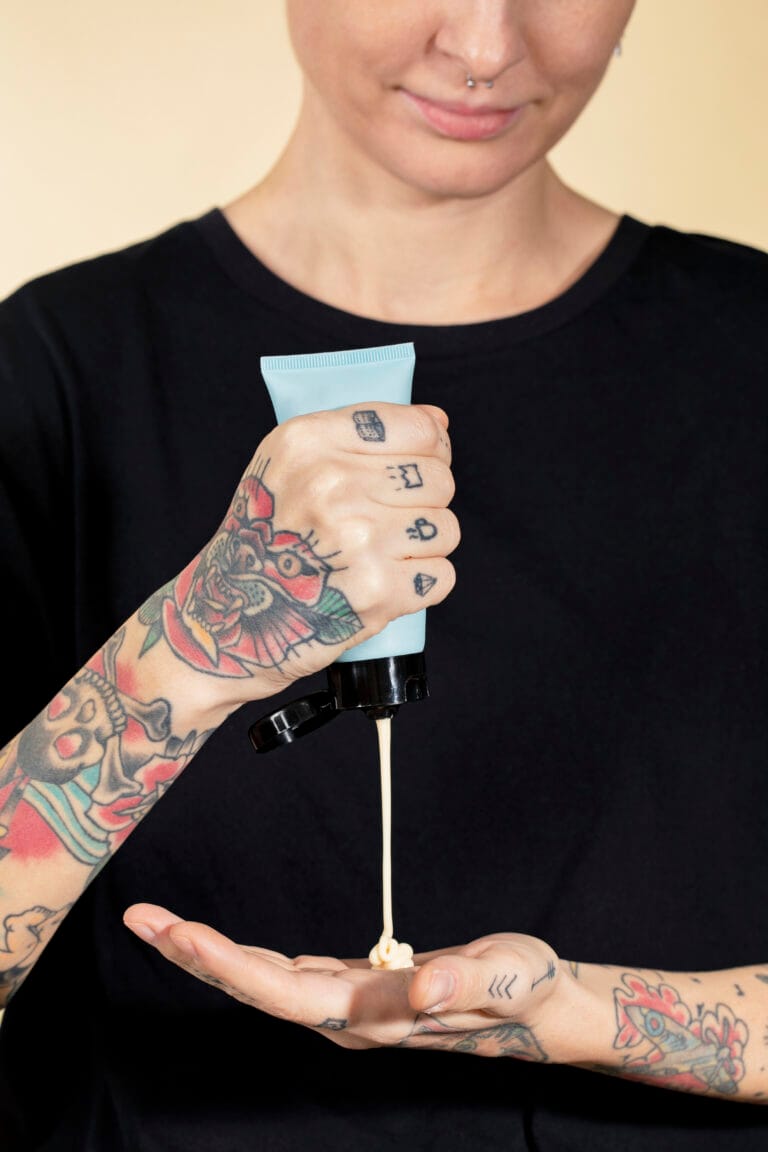
- Moisturizing: Apply a thin layer of unscented, tattoo-specific lotion or ointment as directed by your artist. Avoid over-moisturizing, as this can smother the skin.
Long-Term Aftercare
- Avoid Sun Exposure: Direct sunlight is detrimental to healing tattoos and can cause ink to fade quickly. Keep your tattoo covered or use a high-SPF sunscreen (after it’s fully healed).
- No Soaking: Avoid swimming pools, hot tubs, baths, and saunas for the entire healing period. Showers are fine, but keep them brief and avoid direct, strong water jets on the tattoo.
- No Picking or Scratching: As the tattoo heals, it will itch and scab. Resist the urge to pick or scratch, as this can pull out ink and damage the design.
- Loose Clothing: Continue to wear loose clothing to prevent irritation and allow the skin to breathe.
- Hydration and Nutrition: Continue to stay hydrated and eat a healthy diet to support skin health and healing.
Financial and Time Investment
A full sleeve tattoo is a significant financial and time commitment. Understanding these aspects upfront is essential for planning.
Cost Considerations
The cost of a full sleeve varies widely based on several factors.
Artist’s Experience and Demand
Highly sought-after artists with extensive portfolios and specialized skills typically command higher rates. Redemption Ink has a reputation for experienced artists, and their rates will reflect this expertise.
Design Complexity
- Detail Level: Realistic or highly intricate designs with fine details will naturally take longer and therefore cost more per session.
- Color vs. Black and Gray: Full-color sleeves often require more time and various specialized inks, which can contribute to the overall cost compared to a black and gray piece of similar size.
- Coverage: Extensive custom artwork covering the entire arm will cost more than a sleeve with areas of negative space.
Number of Sessions and Hours
The total cost is directly tied to the number of hours the artist spends working on your tattoo. Since a full sleeve is a multi-session project, the total cost accumulates over time.
- Hourly Rates: Most artists charge an hourly rate for large custom work. It is crucial to clarify the artist’s specific hourly rate and any minimum charges during your consultation.
- Deposit: A deposit is routinely required to book your first appointment and for the artist to begin design work. This deposit is typically non-refundable and goes towards the total cost of your final session.
Time Commitment
Beyond the financial investment, anticipate a considerable time commitment.
Design Phase
- Consultation Time: Initial consultations, while often brief, are necessary.
- Artwork Development: The artist will need dedicated time outside of your sessions to conceptualize and refine your design. This is often factored into the total cost or built into the session rate.
- Revisions: Allowing time for revisions and feedback ensures the final design meets your expectations.
Tattooing Sessions
As previously mentioned, a full sleeve can take many sessions, each lasting several hours. Consider how this fits into your work and personal schedule.
Healing Time
Each session requires a healing period of 2-4 weeks. During this time, certain activities, like swimming or prolonged sun exposure, must be avoided. The entire sleeve, from the first session to the last, along with its full healing, could easily span 6 months to over a year.
Potential Challenges and Considerations
While the reward of a custom full sleeve is significant, it’s prudent to be aware of potential challenges and considerations.
Pain Tolerance and Discomfort
Tattooing involves needles implanting ink into the dermis layer of the skin. Discomfort is inevitable, especially for a large piece on a sensitive area.
Variability of Pain
Pain perception is subjective. Areas on the arm with thinner skin, closer to bone (e.g., elbow, wrist, inner bicep), or nerve endings tend to be more sensitive.
Managing Discomfort
- Breaks: Don’t hesitate to ask for breaks during sessions.
- Breathing Techniques: Focusing on controlled breathing can help manage pain.
- Distraction: As mentioned, music or other forms of entertainment can be beneficial.
- Topical Anesthetics: While some individuals inquire about numbing creams, many artists prefer clients to not use them, as they can alter skin texture and ink absorption. Discuss this with your artist at Redemption Ink if you are considering it.
Healing Complications
While rare, complications can occur during healing.
Infection
Signs of infection include excessive redness, swelling, unusual warmth, pus, fever, or foul odor. If you suspect an infection, contact Redemption Ink immediately and consult a medical professional.
Allergic Reactions
Allergies to tattoo ink, while uncommon, can manifest as itching, rash, or bumps. Discuss any known allergies with your artist beforehand.
Fading or Imperfections
Minor fading is normal as the tattoo settles. However, significant fading or imperfections might require touch-ups. Most reputable tattoo shops, including Redemption Ink, offer a complimentary touch-up within a certain period after the tattoo is fully healed, but this varies by artist and situation.
Lifestyle Adjustments
A full sleeve can necessitate temporary and sometimes long-term lifestyle adjustments.
Sun Protection
As previously stressed, lifelong sun protection is crucial for maintaining the vibrancy and clarity of your tattoo. Regular and diligent use of sunscreen is strongly advised.
Professional and Social Perceptions
While tattoos are increasingly accepted, especially in a city like San Diego, individuals should be aware of potential perceptions in specific professional environments or social settings. Consider how a visible full sleeve might factor into your career or personal choices.
Future Modifications
While a well-executed full sleeve is intended to be a permanent art piece, sometimes circumstances change.
Cover-ups or Laser Removal
If, in the distant future, you wish to alter or remove parts of your sleeve, both cover-up tattoos and laser removal are options. However, they are often complex, costly, and time-consuming. Planning and careful design choices upfront minimize the likelihood of needing such interventions.
By approaching the decision to get a full sleeve with a thorough understanding of these practicalities and considerations, clients can embark on a positive and rewarding artistic journey with the experienced professionals at Redemption Ink in Pacific Beach, San Diego.
FAQs
What are full sleeve tattoos?
Full sleeve tattoos are large tattoos that cover the entire arm from shoulder to wrist. They can be a single cohesive design or a collection of smaller tattoos that are connected to form a sleeve.
How long does it take to get a full sleeve tattoo?
The time it takes to complete a full sleeve tattoo can vary depending on the complexity of the design and the individual’s pain tolerance. On average, it can take multiple sessions over several months to complete a full sleeve tattoo.
What should I consider before getting a full sleeve tattoo?
Before getting a full sleeve tattoo, it’s important to carefully consider the design, placement, and long-term commitment. Full sleeve tattoos are highly visible and may impact professional opportunities, so it’s important to think about potential consequences.
How much does a full sleeve tattoo cost?
The cost of a full sleeve tattoo can vary widely depending on the size, complexity, and the artist’s hourly rate. On average, a full sleeve tattoo can cost several thousand dollars.
How do I find a reputable tattoo artist for a full sleeve tattoo?
To find a reputable tattoo artist for a full sleeve tattoo, it’s important to research local tattoo shops, read reviews, and view the artist’s portfolio. It’s also helpful to schedule a consultation to discuss your ideas and ensure the artist’s style aligns with your vision.